Desert of Dozens of Thousands of Cars: How Dieselgate Left a Victorville Graveyard of Volkswagens and Audis
The Volkswagen emissions scandal, Dieselgate, revealed in September 2015 that VW used defeat devices in nearly 500,000 U.S. cars, prompting a $14.7 billion settlement and buy-backs that left tens of thousands of vehicles parked near Victorville.
Key takeaways
- Scope: About 482,000 U.S. diesel vehicles were affected, mainly 2.0‑liter Volkswagen and Audi models (Source: U.S. Department of Justice).
- Cost: Volkswagen agreed to spend up to $14.7 billion in the U.S. for consumer remedies, environmental mitigation and buy-backs (U.S. Department of Justice).
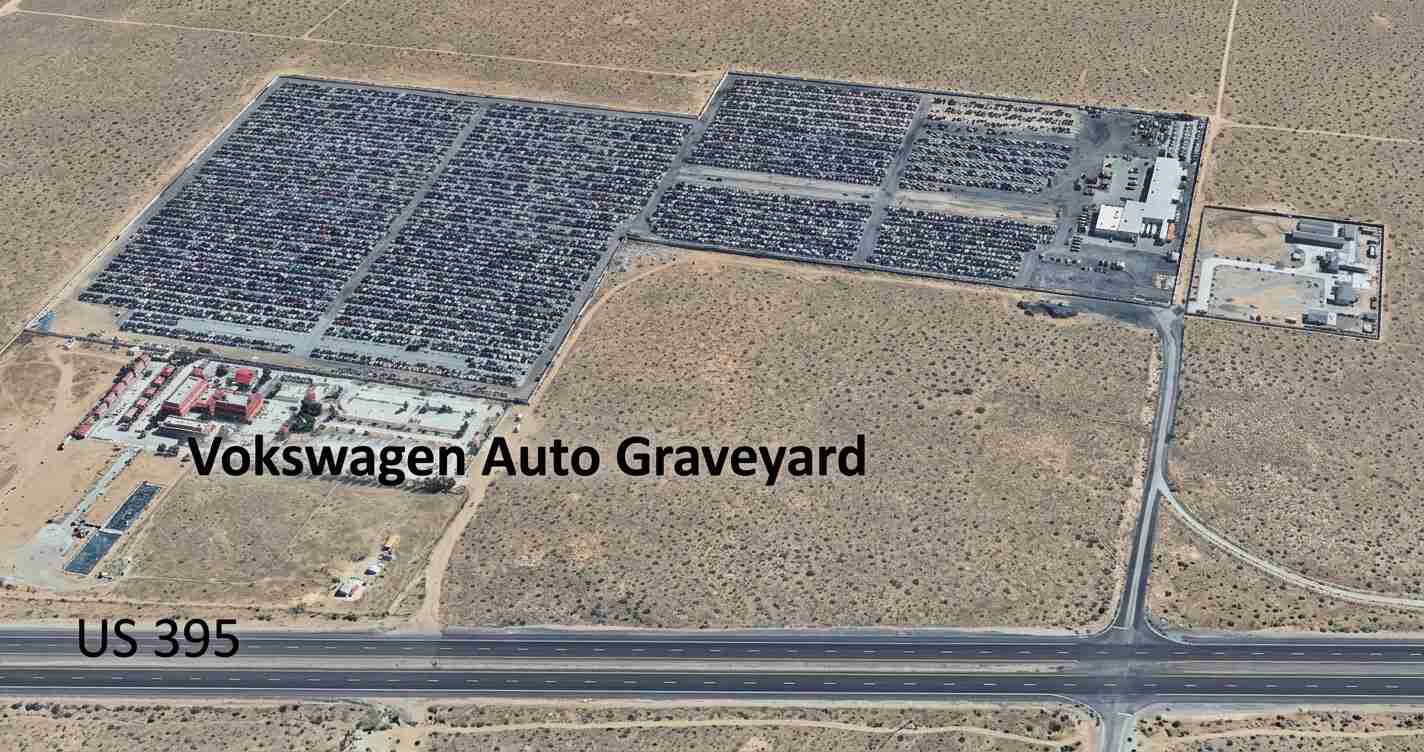
- Storage challenge: Regulatory restrictions and large-scale buy-backs forced Volkswagen to park tens of thousands of returned cars on leased lots — notably near Victorville in the Mojave Desert.
- Visibility: The rows of parked Volkswagens and Audis became a stark visual symbol of corporate misconduct and logistical fallout.
Overview
Dieselgate began in September 2015 when U.S. regulators identified software that allowed diesel vehicles to detect emissions-testing conditions and engage full emissions controls only during tests. On the road, emissions controls were reduced, producing nitrogen oxides at levels far above federal limits (Source: Wikipedia).
How the scandal unfolded and why so many cars ended up in the desert
When the U.S. Environmental Protection Agency issued its notice, the discovery of the so‑called defeat device triggered multiple enforcement actions, class lawsuits and a wave of consumer claims. Tests showed some vehicles emitting nitrogen oxides up to 40 times legal limits (Source: Wikipedia).
Facing regulatory bans on reselling many affected cars until approved fixes were in place, Volkswagen implemented a buy-back and repair program. The company’s U.S. commitments — including consumer payouts, environmental remediation and vehicle acquisition — totaled up to $14.7 billion (Source: U.S. Department of Justice).
Why the Mojave Desert and Victorville became a symbol
“From the air, enormous lots of neat rows of Volkswagens and Audis created a striking, almost surreal image.”
Logistics drives location: the Mojave’s dry climate reduces corrosion, making it practical for long-term storage; flat, inexpensive parcels near Victorville were readily leased for massive temporary vehicle parks. The visual scale — tens of thousands of cars in neat rows — turned logistical necessity into an enduring symbol of the scandal.
Operational and financial burdens on Volkswagen and buyers
Volkswagen faced multiple burdens: paying owners who accepted buy-backs, repairing vehicles approved for return to the market, funding environmental mitigation projects, and managing disposal or scrapping where repair was impractical. The buy-back logistics required storage, maintenance, battery checks and eventual repair or dismantling — operations drawn from contemporaneous reporting and company disclosures.
For many owners the buy-back provided a clean exit from a noncompliant vehicle; for Volkswagen it created a multibillion‑dollar, nation‑wide sorting, repair and disposal operation that left visible reminders like the Victorville lots.
Regulatory and accounting perspectives
Dieselgate sharpened oversight of emissions testing and corporate disclosures. Accounting and legal experts scrutinized Volkswagen’s liability recognition, recall-cost reporting and remediation accounting (see analysis in The CPA Journal).
The case served as a test of corporate governance, regulatory enforcement and the adequacy of remediation programs designed to restore environmental and consumer harms.
Implications for California
Economic: Temporary demand for land, labor and site-management services flowed to inland Southern California as owners leased lots near Victorville. Those gains were largely short-term, with few long-term jobs created beyond site operations.
Environmental & health: The defeat-device emissions contributed to elevated NOx pollution where affected cars were driven. The settlement funded emissions-reduction projects intended to benefit air-quality programs in states like California (Source: U.S. Department of Justice).
Regulatory politics: Dieselgate reinforced California’s national leadership on emissions standards and underscored tensions between state and federal regulatory approaches to vehicle pollution.
Practical effects for drivers: The buy-back program removed many polluting cars from roads, though the reintroduction of repaired vehicles raised questions about disclosure, reliability and resale value for used-car buyers.
Civic and cultural note
The Victorville vehicle rows served as a photographic reminder of corporate misconduct and regulatory enforcement in a state that values clean air. The images functioned as both an object lesson and a continuing prompt for vigilance in consumer protection and corporate accountability.
Reporting sources
- U.S. Department of Justice: Volkswagen to spend up to $14.7 billion to settle allegations of cheating emissions tests and deceiving consumers
- Wikipedia entry, Volkswagen emissions scandal
- Accounting and regulatory coverage (example): The CPA Journal
Note: Many operational specifics about site-level maintenance routines and internal logistics derive from contemporaneous news reporting and company disclosures; some internal documents and decisions remain within corporate archives and investigative reports beyond the core government releases cited above.