
DoorDash Grandma Delivers McDonald’s to White House, Praises Trump’s No Tax on Tips Policy That She Says Saved Her $11,000
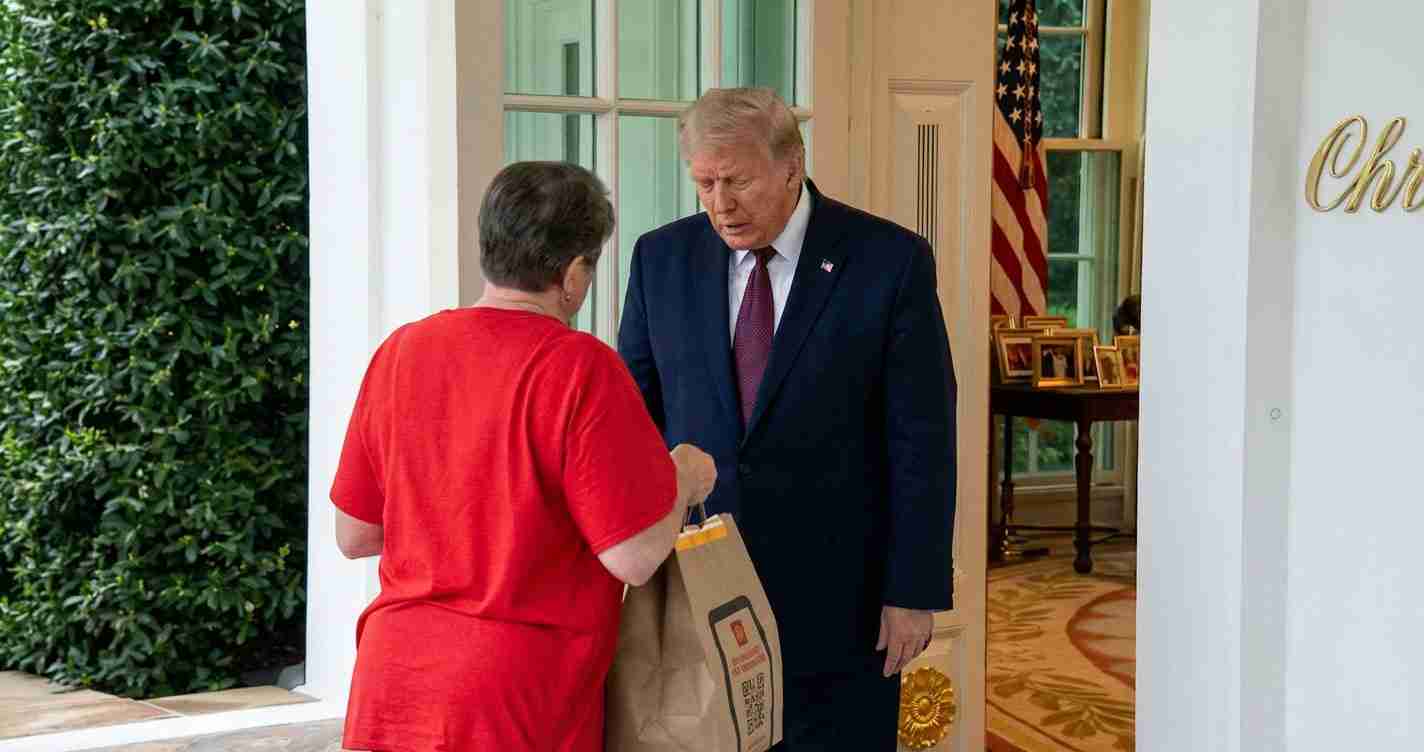
Sharon Simmons, the “DoorDash Grandma,” delivered McDonald’s to the White House and praised President Trump’s No Tax on Tips policy, saying it saved her more than $11,000 while she supported her husband through cancer treatment.
Key takeaways
- Historic visit: Arkansas Dasher Sharon Simmons delivered McDonald’s to the White House and met President Trump.
- Personal savings: Simmons says the No Tax on Tips policy cut her tax burden by more than $11,000 last year and put roughly $3,000–$4,000 back in her pocket.
- Policy context: The visit highlighted the administration’s One Big Beautiful Bill, which removes federal taxes on tips through 2028.
- Debate: Supporters praise increased take-home pay and consumer spending; critics warn of reduced federal revenue and larger deficits.
Background and the delivery event
Sharon Simmons (sometimes reported as Sharron) began working as a DoorDash driver around 2021–2022 to gain schedule flexibility after the COVID-19 pandemic and to support family needs. She has completed thousands of deliveries and is widely known as the “DoorDash Grandma.” DoorDash public materials detail the visit as part of a broader celebration of the policy change; see the DoorDash press release for the company’s account.
On Monday, Simmons pulled up to the White House with a McDonald’s order, handed the food to staffers and then met the president. The visit was arranged as part of a White House event marking the anniversary of the No Tax on Tips policy and other components of the tax package. Reports note that President Trump asked Simmons about her vote and views on cultural topics during the exchange, and he tipped her in cash; the McDonald’s items were shared with West Wing staff (CBS News; Fox News).
Financial impact and Simmons’ statements
Simmons told reporters the federal No Tax on Tips policy “materially changed” her finances last year. She said she believes the policy reduced her tax burden by more than $11,000, and that she personally kept roughly $3,000 to $4,000 — funds she described as “very surprising” and critical while supporting her husband through cancer treatment (Fox News; CBS News).
DoorDash issued a statement celebrating the spotlight and quoted Simmons: “It was an incredible honor… Now No Tax on Tips has taken things to the level, letting me keep more of the tips I earn and deserve.” The company also released estimates that Dashers nationwide saved hundreds of millions of dollars in aggregate last year (DoorDash press release).
What the One Big Beautiful Bill changed
The White House tied Simmons’ visit to promotion of the administration’s One Big Beautiful Bill (also described in some statements as the Working Families Tax Cuts). Key elements cited by the White House and partners include:
- Elimination of federal taxes on tips through 2028;
- Temporary suspension of taxes on overtime pay;
- An increase in the senior deduction to $12,000;
- An additional $200 in the child tax credit per child.
Supporters argue these measures put more money in consumers’ hands and stimulate spending. Critics counter that the changes reduce federal receipts and could worsen the deficit; fiscal analysts and some lawmakers urge weighing short-term benefits against long-term budgetary impact (Fox Business).
Event highlights and national coverage
The delivery produced widely circulated photos and a human-interest narrative that media outlets quickly amplified. Coverage ranged from profiles of Simmons’ work as a grandmother and gig worker to political analysis of how such moments play in campaign and policy messaging. Some outlets noted awkward pivots in the exchange when cultural topics entered the conversation (CBS News; The Advocate).
Corporate reaction: DoorDash executives used the moment to emphasize the economic impact of the tax change on contractors, framing Simmons’ story as an example of the policy’s tangible benefits (DoorDash press release).
Coverage and context: supporters and critics
Supporters highlight drivers like Simmons as evidence the policy helps low- and middle-income workers keep more of their earnings. Business groups and DoorDash pointed to immediate, measurable savings for gig workers (DoorDash; Fox Business).
Critics point to reduced federal revenue and potential deficit impacts. Several fiscal analysts and lawmakers stress that short-term boosts to take-home pay should be balanced against long-term budgetary priorities (Fox News).
Implications for California
California, home to a large gig-worker population, could see meaningful effects if Dashers and other tipped workers realize savings similar to Simmons’. Extra take-home pay may help households cover rent, medical bills and child care — pressing needs in many communities.
Political effects: In competitive local races and moderate-conservative pockets, individual stories like Simmons’ may resonate with voters who prioritize economic relief and flexibility. At the same time, fiscal conservatives may call for offsetting measures to address deficit concerns.
Practical note: The No Tax on Tips provision applies to federal tax treatment through 2028. State-level rules can differ; gig workers should consult tax professionals or official state guidance when planning and filing returns.



