Chick-fil-A reverses pea starch change, restores original waffle fries recipe after customer outcry
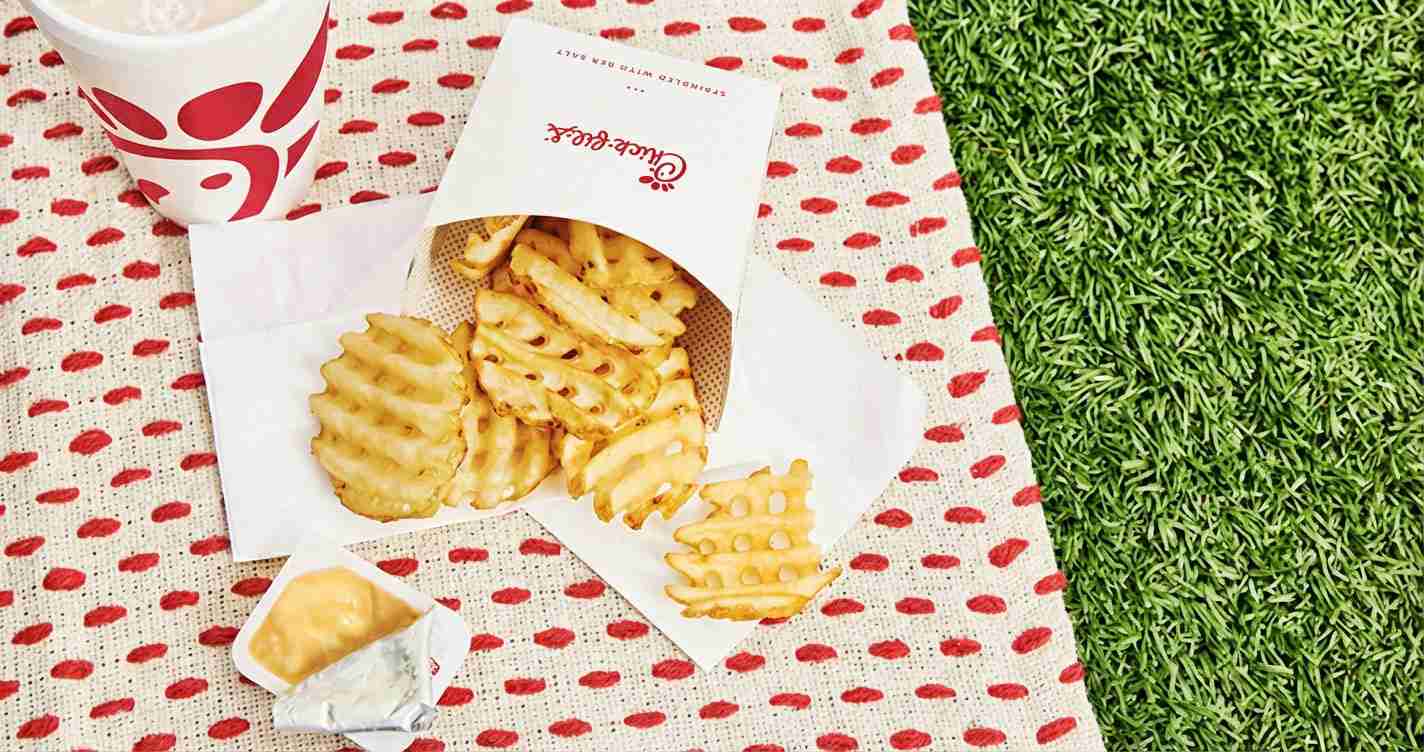
Chick-fil-A has removed pea starch from its waffle fry coating and restored the original recipe after widespread customer outcry in 2026, reversing a 2024 change that many said altered taste, texture, and raised allergen concerns.
- Company rollback: Chick-fil-A confirmed it removed pea starch and restored the prior coating mix in 2026.
- Ingredient details: Current ingredients list potatoes, canola and vegetable oils, modified food starches from corn, potato and tapioca, rice flour, salt, leavening agents and seasonings.
- Customer reaction: Social media complaints cited a blander, harder mouthfeel and raised sensitivities concerns; many asked for the original 1985 fries back.
- Nutrition and price: Medium serving listed at about $3.85 depending on location — ~420 calories, 24 g fat, 45 g carbs, 5 g fiber, 5 g protein, 240 mg sodium.
Why Chick-fil-A tried pea starch
Technical aims: The chain said the addition followed more than a year of testing and was intended to help waffle fries stay crisp longer for both in-restaurant dining and takeout. Food makers often add modified starches to batters and coatings to alter texture and moisture retention.
Industry reporting noted pea starch’s higher amylose content can increase crisp retention — a practical benefit in high-volume quick-serve settings — but those same properties can change mouthfeel and flavor release in ways diners notice.
Customer complaints and social media reaction
Reaction was swift across Reddit, Facebook and Instagram. Many customers described the new fries as harder and blander than the familiar 1985 recipe, which some diners had accepted as slightly soggy but more flavorful.
“Love that they’re crispier, but they are pretty bland now,” one Reddit user wrote. “I love soggy fries. Please, we are begging you,” an Instagram user added.
Others raised concerns about legume-related sensitivities and potential cross-reactivity, prompting questions about labeling and ingredient transparency.
Company confirmation and ingredient details
Chick-fil-A updated its online menu and ingredient pages and confirmed the rollback to reporters. The current ingredient list describes waffle fries as potatoes cooked in canola and vegetable oils with a coating that lists modified food starches from corn, potato and tapioca, plus rice flour, salt, leavening agents and seasonings — with no pea flour or pea starch listed.
The company’s FAQ now explicitly answers: “Does your Waffle Fry recipe contain Pea Starch? No.” For the company update see Chick-fil-A customer support.
Reporting and sources
Coverage of the episode and the rollback appeared across industry and food outlets. Initial reporting on the customer backlash and reversal is available from The Daily Meal and follow-up pieces such as Forever York.
Customer response to the rollback
After the announcement and ingredient page updates, social posts trended largely positive. Many fans said the fries “tasted how they used to,” while a minority said they preferred the crispier temporary version. The episode illustrates the influence of an active, vocal customer base on menu decisions.
Business and operational context
For a national chain, minor recipe tweaks can have broad operational effects. Ingredients such as modified starches are chosen to improve consistency, reduce waste or adapt to supply chains. Chick-fil-A’s rollback suggests the company weighed technical benefits against customer satisfaction and restored a signature item.
Implications for California
Economic impact: While Chick-fil-A is less ubiquitous in California than in some states, restoring the original waffle fry recipe may win back customers and benefit franchisees and staff at local stores.
Regulatory and allergy concerns: California’s strict labeling expectations mean removing pea starch and clarifying ingredients reduces confusion for diners with legume sensitivities and may limit complaints to local agencies.
Political and cultural context: The episode can be read as market feedback functioning effectively: customers voiced preferences and the company responded. For many Californians, the change and reversal underscore how small recipe details affect daily choices and local dining culture.
Practical takeaways for consumers
- Consumers can now order waffle fries without pea starch listed on the ingredient page.
- Those with legume sensitivities should consult the company’s ingredient FAQ for the most current information: Chick-fil-A customer support.
- Franchise owners should monitor feedback closely, especially in competitive markets like California.