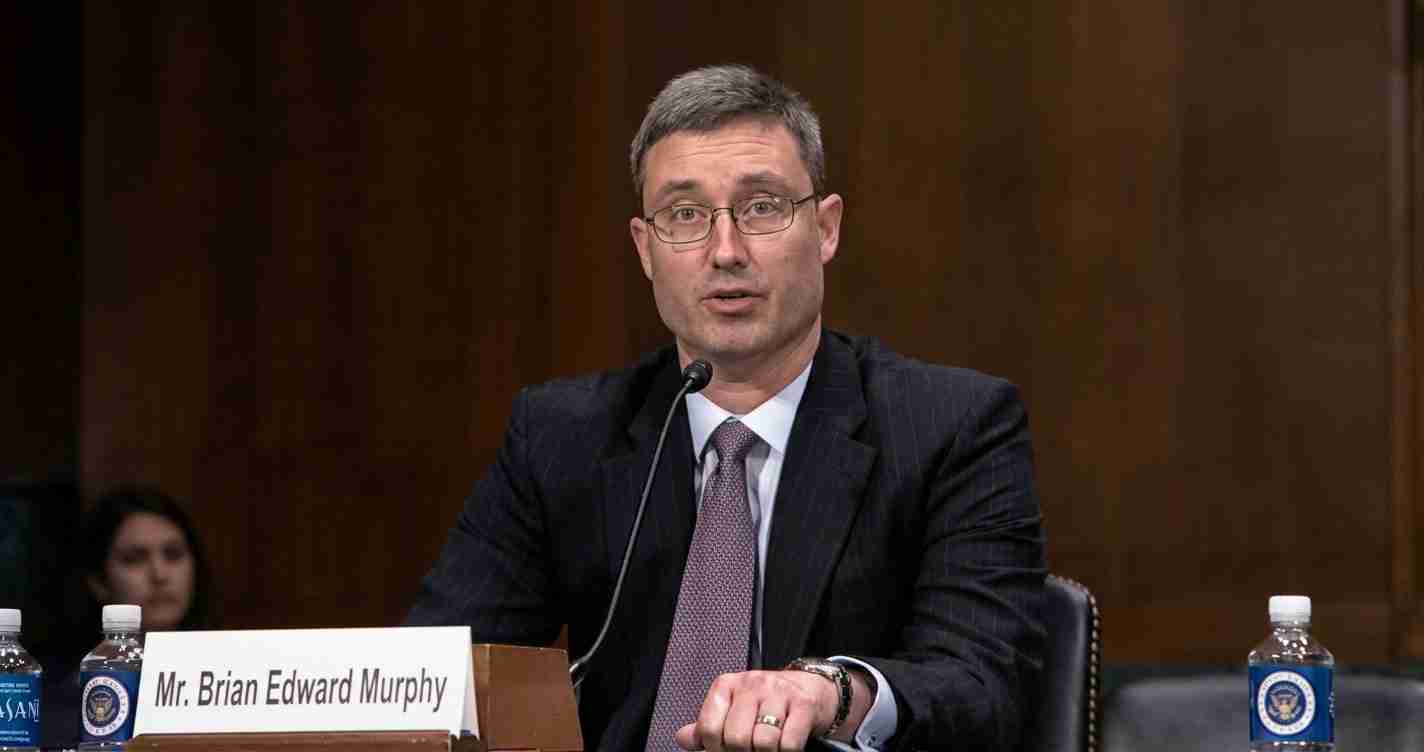
Biden-Appointed Judge Brian E. Murphy Draws Conservative Fire After Multiple High-Court Reversals
U.S. District Judge Brian E. Murphy, a Biden appointee in Massachusetts, has faced sharp conservative criticism after several high-profile rulings that blocked Trump administration immigration and vaccine policies were repeatedly stayed or reversed by higher courts, including the Supreme Court.
- Multiple reversals: At least three of Murphy’s orders were stayed or reversed by the 1st Circuit and the Supreme Court.
- High-profile topics: Decisions targeted the administration’s third-country deportation policy and a revised CDC child immunization schedule.
- Sharp DOJ reaction: Deputy Attorney General Todd Blanche publicly criticized the judge and the department has continued to appeal.
- Broader impact: Rulings and appeals carry policy and administrative implications for states such as California on labor, schools and public health.
Background on Judge Brian E. Murphy
Brian E. Murphy was nominated to the federal bench by President Joe Biden on March 21, 2024, confirmed by the Senate on December 2, 2024, and received his commission on December 6, 2024. Before joining the bench, Murphy worked as a public defender and in private practice, served on the board of the Massachusetts Association of Criminal Defense Lawyers for a decade, and was treasurer for eight years. See the Judge bio for full biographical details.
During his confirmation, senators praised his defense and civil-rights background, though Republicans raised questions about a 2020 Massachusetts Association of Criminal Defense Lawyers letter that Murphy acknowledged he should have disclosed. Coverage of those proceedings is available in confirmation reporting and a Senate press release.
The deportation rulings and repeated stays
Murphy first drew national attention by issuing a preliminary injunction in April 2025 that blocked parts of the Department of Homeland Security’s third-country deportation policy, citing due-process concerns and the risk that migrants would not have adequate time to raise credible-fear claims. That injunction was stayed by the Supreme Court in a 6–3 order on June 23, 2025. See timeline and stay.
On May 21, 2025, Murphy issued a remedial order concerning six migrants slated for removal to South Sudan. The Department of Justice called the order “a lawless act of defiance,” and the Supreme Court issued a rare follow-up 7–2 order on June 30, 2025, clarifying that the earlier stay applied fully to Murphy’s remedial decision and warning the judge to comply. The high court suggested it might issue a writ of mandamus if needed; further reporting documents that sequence in detail (Supreme Court follow-up).
On March 16, 2026, the U.S. Court of Appeals for the 1st Circuit paused another Murphy decision that sought to block the same DHS third-country removal policy, issuing a stay the same day Murphy entered a separate preliminary injunction in a vaccine case. See reporting on the 1st Circuit stay.
The vaccine policy case and the “scientific” remark
On March 16, 2026, Judge Murphy issued a sweeping preliminary injunction in litigation brought by medical organizations challenging a January 2026 Centers for Disease Control and Prevention immunization schedule that reduced vaccine requirements for children. Murphy’s order stayed the schedule, invalidated a newly appointed vaccine advisory committee and halted that committee’s decisions while the litigation proceeds. The written order quoted Carl Sagan, describing science as “the best we have,” and referenced vaccine efficacy in its reasoning. See the vaccine ruling.
The injunction directly affected a top administration initiative to reshape vaccine rules for schools and children. The Department of Justice has said it will appeal; Murphy provided a 15‑day administrative stay to allow the 1st Circuit to review the order promptly (court filings and appeal plans).
Reactions from the Justice Department and conservative critics
“How many times can Judge Murphy get reversed in one year? … We will keep appealing these lawless decisions, and we will keep winning.” — Deputy Attorney General Todd Blanche (DOJ comment)
DOJ officials and conservative legal commentators have used the Supreme Court’s two separate orders last June and subsequent appellate stays as evidence of a pattern in which Murphy’s rulings were quickly checked. The department has signaled continued appeals and expressed confidence it will prevail (DOJ criticism).
Supporters of Murphy’s decisions — including the medical groups that brought the vaccine lawsuit and immigrant-rights advocates — argue federal judges must police administrative action that may exceed statutory or constitutional limits. They note that rapid appeals are a normal part of the judicial process and that district judges must apply the law to the record before them (Plaintiff positions).
Pattern and context
In roughly 15 months on the bench as of March 2026, Murphy’s docket includes a small number of high-profile decisions that intersect with prominent administration priorities: immigration enforcement and public health policy. At least three of those rulings faced rapid stays or reversals — two in 2025 tied to the deportation policy and the 1st Circuit stay, and the vaccine injunction in 2026 — prompting scrutiny from the Department of Justice and conservative legal observers. The public record to date lists these major actions and resulting appeals; there are no additional confirmed reversals beyond those noted in reporting (Sources cataloguing rulings).
What the appeals process means
A stay from an appeals court or the Supreme Court prevents a lower‑court decision from taking effect while the higher court reviews legal questions. A stay is procedural and not a ruling on the merits. The Supreme Court’s rare follow-up order last June suggested that Murphy’s remedial steps exceeded the narrow relief the high court intended to pause and even raised the possibility of a mandamus to supervise district-court orders (Legal process context).
Implications for California
Economic impact: Changes to immigration enforcement can affect California’s labor market — agriculture, construction and hospitality are among sectors that rely on immigrant labor. If a national deportation policy is broadly blocked, employers and local governments could see short-term disruptions as removal procedures change or slow.
Public-health and school rules: Blocking the CDC immunization schedule could complicate school enrollment rules and public-health planning, producing administrative costs and confusion for districts, parents and health providers.
Political and social effects: The rulings are likely to become talking points in upcoming election cycles and may intensify debates about judicial power, federal overreach and public trust in institutions. Immigrant families and parents may experience heightened uncertainty about enforcement and vaccine requirements.
Practical applications for residents
- Monitor orders: Californians should watch for court orders that affect local enforcement and school health rules.
- School districts: Coordinate with state public-health officials to interpret federal changes and provide clear guidance to parents.
- Employers: Consult legal counsel on compliance with federal immigration guidance and monitor appeals that could change enforcement timelines.
- Health providers: Prepare to explain vaccine requirements to patients and document any federal or state orders affecting care.
Reporting and sources
This article draws on public records and reporting about Judge Murphy’s confirmation, rulings and appeals. Biographical and confirmation details are from the Federal Judicial Center. Coverage of the deportation rulings, Supreme Court stays and the March 2026 vaccine injunction appeared in recent reporting. Senate materials and confirmation statements are available from the Senate Judiciary Committee and congressional press releases such as the Markey/Warren release.
Full URLs and original reporting remain available through the links above.