California health agency orders thousands of workers into E-Verify+; unions warn of privacy, enforcement risks
The California Department of Public Health has directed nearly 4,000 employees to reconfirm work eligibility through the federal E-Verify+ system, prompting unions and staff to raise alarms about privacy, data security, and possible links to federal immigration enforcement.
Key takeaways
- Scope: Nearly 4,000 CDPH staff — of more than 4,500 full‑time employees — were told to re-run Form I-9 data through E-Verify+.
- Deadline and rules: A memo set an April 10 compliance deadline; employees hired before November may opt out of E-Verify+ but still face standard E-Verify checks.
- Concerns: Labor unions warn of privacy, data security and potential use of information by federal immigration agencies.
- Risk to services: CDPH says the step protects federal funding — including work tied to the National Death Index operated with the CDC.
Details: what CDPH is requiring and why
What the agency is asking employees to do
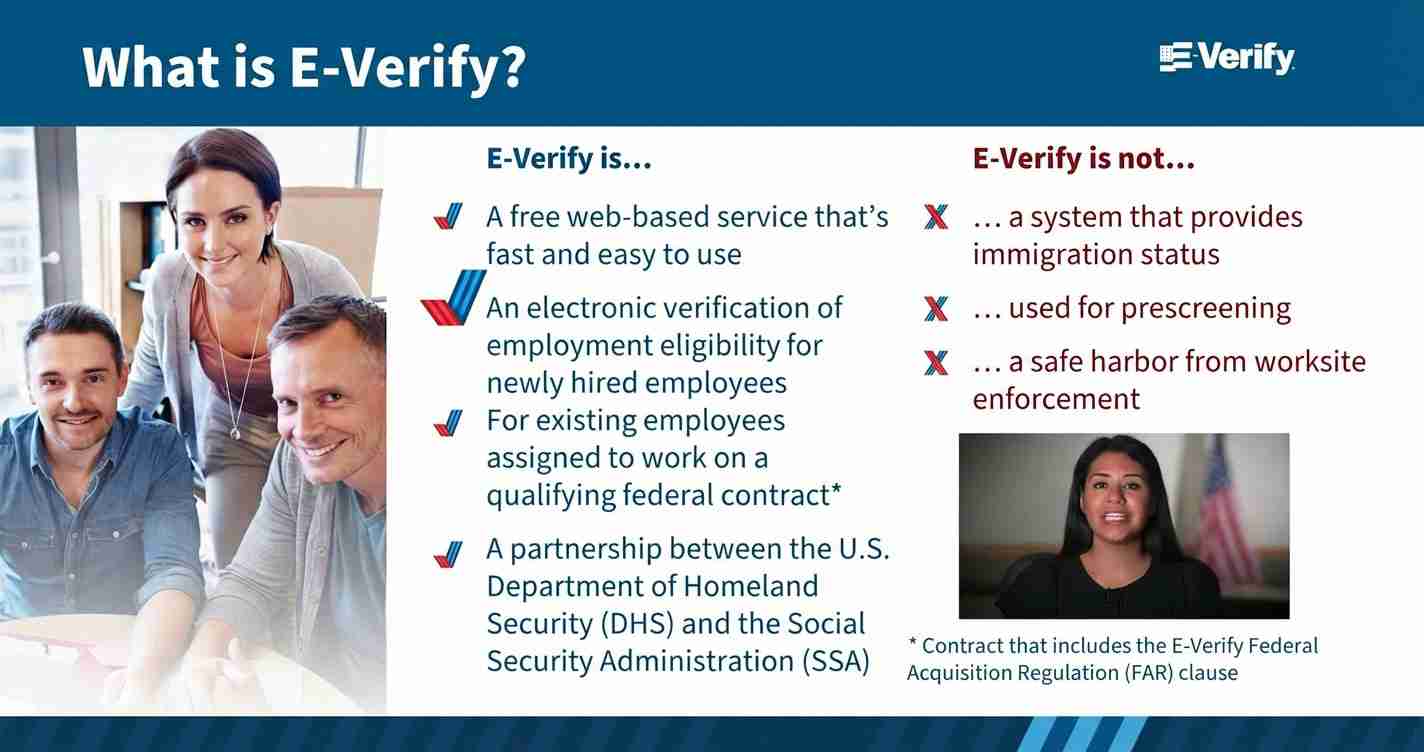
CDPH’s human resources memo requires current employees to reconfirm the information on their Form I‑9 by enrolling in E-Verify+. New hires already complete an I‑9 during onboarding; E-Verify links that I‑9 data to federal checks at U.S. Citizenship and Immigration Services (USCIS), the Social Security Administration and the Department of Homeland Security (DHS). E-Verify+ combines enrollment and verification and can include a photo comparison between an employee’s ID and a submitted image, alongside automated cross‑checks with federal databases.
Scope, deadlines and opt-out rules
The directive covers close to 4,000 CDPH employees. The memo, obtained by media outlets, set compliance deadlines culminating on April 10 and warned failure to comply could risk funding, penalties or disqualification from future contracts. Reported guidance says employees hired before November may opt out of E‑Verify+ but still must complete standard E‑Verify; those hired since November are required to use E‑Verify+. Some staffers said communications about opt‑out options were unclear.
Why CDPH says it is necessary
CDPH officials framed the move as a step to comply with federal contractor requirements and to protect awards and reimbursements that fund public health programs, including work tied to the National Death Index and CDC collaborations. Agency officials warned that failing to verify employment eligibility could lead to penalties or loss of contracts and funding. A state human resources official, Nicole Skow, told reporters that employment verification methods are chosen at the agency level rather than centrally monitored.
Union and worker concerns
Labor groups reacted sharply. SEIU Local 1000 President Anica Walls called the re‑verification “an unnecessary re‑verification of workers who are already legally employed,” and said it raised “serious concerns for our members about privacy, data security.” Jacqueline Tkac, president of the California Association of Professional Scientists‑UAW Local 1115, warned E‑Verify+ is “not a neutral administrative tool” because it connects to DHS databases and can use biometric‑style checks. Some CDPH staffers, speaking anonymously, said they were alarmed about sharing photos with DHS and unclear whether they could truly opt out.
“An unnecessary re‑verification of workers who are already legally employed,” — Anica Walls, SEIU Local 1000 (reported)
E-Verify privacy concerns and enforcement fears
Unions emphasize two central worries: privacy and the risk that collected data could be used by immigration authorities. Critics note E‑Verify, created in the 1990s, can return tentative nonconfirmations when federal records mismatch (for example, due to name or Social Security number discrepancies). Those flagged must navigate a resolution process that can cause lost time, stress and potential job insecurity. Advocates also point to limits in detecting identity or document fraud, meaning E‑Verify is not infallible.
CDPH response and state oversight
According to reporting, CDPH did not respond to multiple media inquiries about the memo and implementation. The memo indicates agency‑level HR decision‑making governs verification methods, prompting unions and employees to press for clearer communications about what data will be collected, how long it will be retained, who will have access, and whether information could be shared with federal enforcement agencies.
Implications for California: economic, political and social effects
Economic impact
- Federal funding risk: Losing eligibility could jeopardize reimbursements or contracts — including National Death Index work — potentially creating budget gaps for public health services.
- Recruitment and retention: Privacy concerns may deter applicants and increase hiring costs or staff shortages that slow public health operations.
Political consequences
The move puts a state health agency at the center of state‑federal tensions over immigration enforcement. Lawmakers may press for oversight or clearer data‑use rules to balance legal compliance with worker protections.
Social and cultural effects
Employees fear E‑Verify+ could lead to greater surveillance or ICE presence at worksites; even the perception can lower morale. Communities that value worker protections and immigrant rights may see increased distrust in public agencies, complicating outreach and public health efforts.
Practical applications for residents and employees
- For CDPH employees: Monitor agency communications for deadlines and opt‑out instructions. Seek written guidance on what data will be collected, retention policies and access controls.
- For taxpayers and service users: Watch for announcements about staffing impacts, delayed services or program changes if large numbers of staff resist or are affected by verification processes.
Reporting sources and links
Reporting by Times Media Service; primary sources cited in reporting include LAist, a related LAist brief, and CalMatters.