Burbank air traffic control unmanned for hours as government shutdown fuels staffing crisis; Southern California TRACON takes over amid major delays
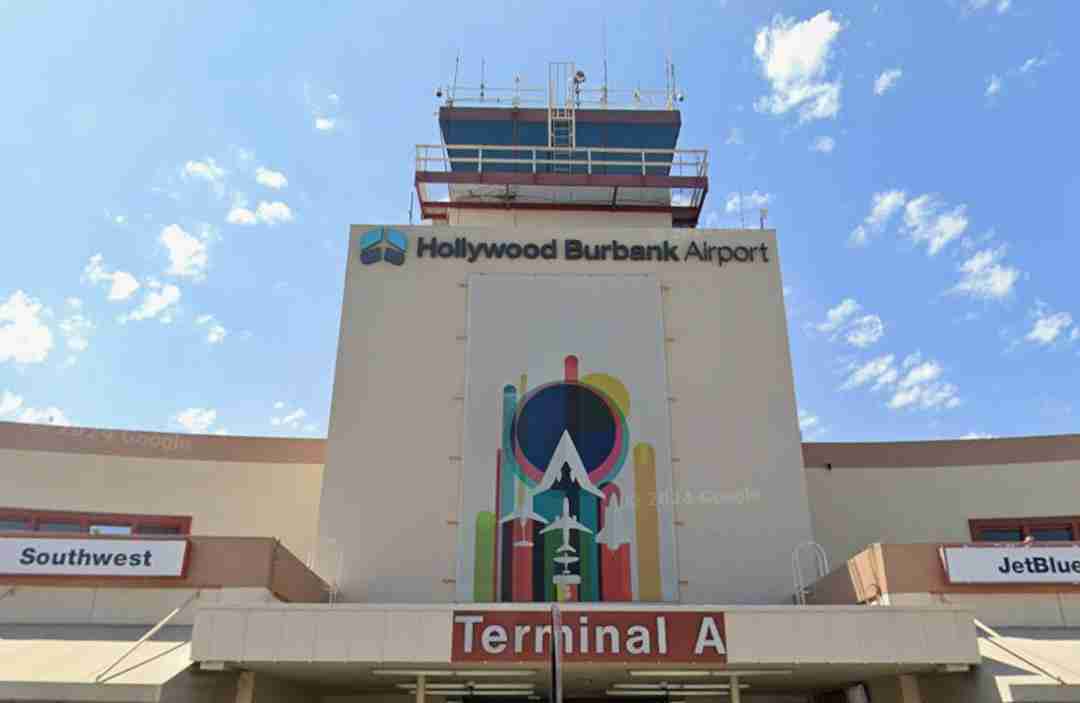
On Monday, Oct. 6, 2025, Hollywood Burbank Airport’s control tower was unmanned for about six hours amid the U.S. government shutdown, shifting duties to Southern California TRACON and triggering major delays and safety concerns for regional flights.
- Tower unmanned: Controllers were absent from Hollywood Burbank Airport from 4:15 p.m. to 10 p.m. on Oct. 6, 2025.
- Remote control: Duties were transferred to Southern California TRACON, increasing operational complexity.
- Delays: Departures averaged 2 hours, 31 minutes, with some approaching four-hour delays amid concurrent runway work.
- Cause: The unmanned shift reflects staffing gaps tied to the U.S. government shutdown and nationwide controller vacancies.
What happened at Burbank
From about 4:15 p.m. to 10 p.m. on Oct. 6, 2025, the local air traffic control tower at Hollywood Burbank Airport did not have controllers on site, according to airport and aviation sources. With no controllers in the tower, air traffic control duties were handed off to the Southern California TRACON, the regional terminal radar approach control facility that manages arrival and departure traffic for the area.
Why controllers were not at the tower
The unmanned tower was a direct effect of the U.S. government shutdown. Air traffic controllers have been working without pay during the shutdown, prompting increased sick calls and staffing gaps at facilities nationwide. The FAA faces more than 3,000 vacancies, and the combination of unpaid work and unscheduled absences left Burbank short for the evening shift (Los Angeles Times).
How operations were handled
With the tower unmanned, Southern California TRACON in San Diego provided approach and departure clearances remotely. Pilots flying under instrument flight rules (IFR) relied on TRACON controllers to sequence and separate traffic for the Burbank airspace. General aviation (VFR) pilots used standard non-towered procedures to self-announce on the common traffic advisory frequency. Aviation officials said pilots are trained for these contingencies but acknowledged the arrangement is unusual at a busy commercial airport and increases operational complexity (video coverage).
Flight delays and passenger impacts
Airlines and passengers felt the effect quickly. Departure delays averaged 2 hours and 31 minutes, with some flights approaching four-hour delays by late afternoon. Ongoing runway construction that day further reduced capacity and compounded the backlog. Early afternoon boards showed only a handful of delays and no cancellations, but the unmanned period worsened disruptions. Travelers faced longer waits, missed connections and uncertainty as airlines worked to rebook passengers (report).
Safety, training and risk
Officials stressed that shifting duties to TRACON is a safety measure, not an abandonment of oversight. TRACON provides radar-based control for approaches and departures, but operating a major commercial field without on-site controllers is far from routine. Pilots and crews are trained for both towered and non-towered conditions, yet the arrangement increases workload for remote controllers, pilots and dispatchers. Industry sources warned that prolonged reliance on remote operations could strain the system and elevate risk if staffing shortfalls persist (ABC7).
Official responses and political fallout
Gov. Gavin Newsom publicly blamed the federal administration for the shutdown and the conditions it created for local air travel, linking national political decisions to local transportation and public safety impacts. The FAA said it planned to restore tower staffing by 10 p.m. and was working to bring controllers back sooner if possible, while maintaining contingency operations through TRACON (Los Angeles Times).
Wider national context
The Burbank incident is part of a broader strain on the U.S. aviation system. Both the FAA and TSA report persistent staffing shortages that predate the shutdown, including more than 3,000 air traffic controller vacancies. The shutdown has amplified the problem by reducing staff availability and prompting unscheduled absences. Other airports have reported similar operational pressures tied to federal funding and staffing issues; experts warn continued shutdown could bring more widespread flight delays and disruptions (ABC7).
Voices from the field
Pilots and airline staff described the TRACON switch as workable but not ideal. IFR flights were handled via TRACON clearances, while general aviation pilots self-announced positions. Airline ground crews and passengers reported frustration as airlines adjusted timetables. Video captured busy gates and departure boards with extended waits (coverage 1, coverage 2).
Operational lessons and contingency planning
Airports across the region are reviewing contingency plans. Burbank officials and the FAA said operating remotely from TRACON is an established backup but not a substitute for on-site towers during peak activity. The incident highlights the need for robust staffing, flexible scheduling, and clear lines of responsibility during federal disruptions. Airport operators may also re-evaluate construction timing and peak travel schedules to avoid compounding effects when staffing is thin.
Implications for California
Economic: Repeated unmanned tower episodes could harm California’s travel economy—affecting business travelers, tourists and residents who rely on short-haul flights.
Political: The episode raises political stakes for state leaders and federal lawmakers, with pressure to resolve funding disputes to protect transportation infrastructure.
Social: Delays carry human costs—missed appointments, delayed reunions and lost work time—eroding traveler confidence if disruptions persist.
Practical applications for residents
Travelers should expect longer waits and potential cancellations while the shutdown continues. Recommendations: confirm flights with airlines before heading to the airport, build extra time into itineraries, prepare backup ground-transport plans for tight connections, and monitor airline communications for rebooking details.
Accountability and next steps
For a politically moderate conservative audience, the episode underscores the need for responsible federal budgeting and contingency measures to protect essential services. Ensuring adequate staffing at air traffic facilities preserves safety and commerce. Lawmakers, airport authorities and the FAA will face scrutiny over how swiftly staffing stabilizes and how future risks are mitigated.