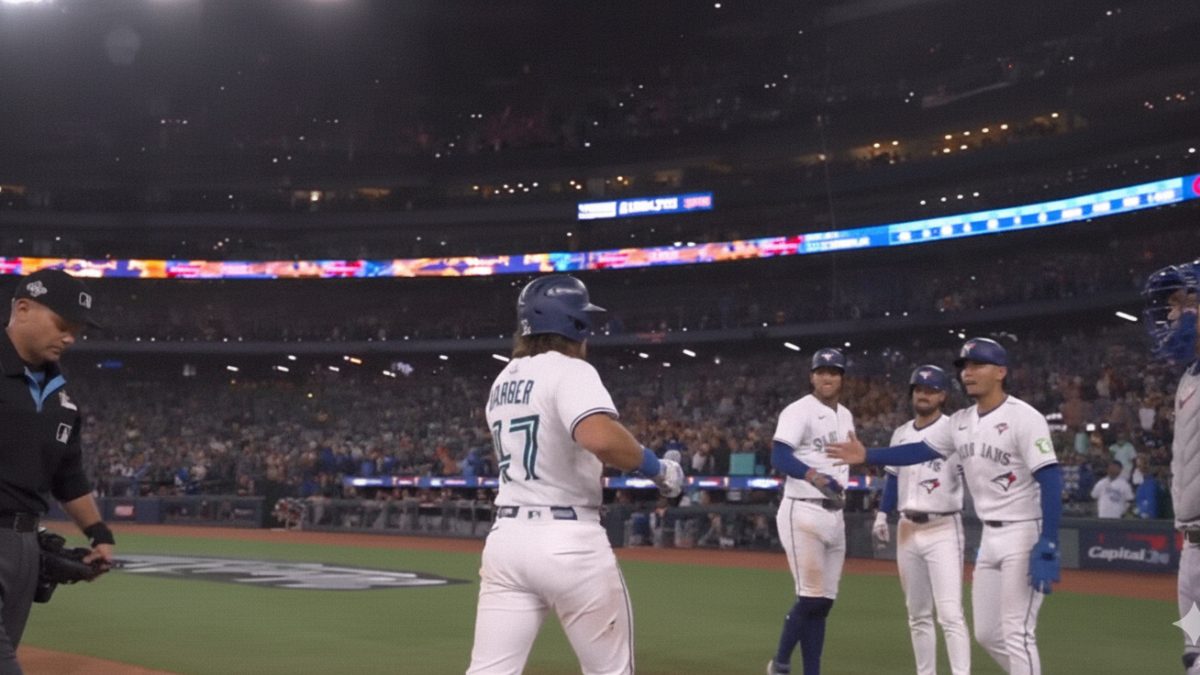
Blue Jays stun Dodgers in Game 1 as Addison Barger hits historic pinch-hit grand slam
Toronto Blue Jays opened the 2025 World Series with an 11-4 rout of the Los Angeles Dodgers at Rogers Centre on Oct. 24, punctuated by Addison Barger’s historic pinch-hit grand slam that ignited a nine-run sixth inning.
- Final score: Blue Jays 11, Dodgers 4 (Game 1)
- Historic pinch-hit grand slam — the first pinch-hit slam in World Series history ignited Toronto’s nine-run sixth inning.
- Shohei Ohtani hit his first career World Series home run in the seventh, a personal milestone in an otherwise lopsided game.
- Attendance: 44,353 — Canada saw its first World Series game in 32 years at Rogers Centre.
Historic grand slam powers Blue Jays
The defining moment came in the sixth inning when Toronto loaded the bases with none out against Dodgers starter Blake Snell. Addison Barger, batting as a pinch-hitter, crushed a breaking ball to deep right-center — the first pinch-hit grand slam in World Series history — and the blow cleared the bases, opening the floodgates for a nine-run frame. MLB and ESPN noted the swing forced Snell from the game and exposed Los Angeles’ bullpen.
“It changed everything,” said a Blue Jays source about the sixth inning that reshaped Game 1 momentum.
Complete offensive onslaught
Toronto’s offense shrugged off an early 2-0 deficit. Daulton Varsho’s two-run home run in the fourth tied the game and swung momentum to the home side. The sixth inning added multiple run-scoring hits, including a two-run homer from Alejandro Kirk and several timely singles that made the difference. The Blue Jays later pushed the advantage to 11-2 with another Kirk home run, showcasing the lineup’s depth and patience at the plate. See the video highlights for the crowd reaction and key plays.
Ohtani’s historic yet hollow homer
Shohei Ohtani clubbed his first career World Series home run in the seventh inning — a two-run shot off Braydon Fisher — a personal milestone that came with little effect on the outcome. Fans at Rogers Centre made their feelings known late, chanting “We don’t need you!” when Ohtani returned to the plate, a reaction tied to his 2023 free-agent decision and chronicled by ESPN and LA Times.
Pitching performance and strategic execution
Rookie Trey Yesavage delivered four key innings for Toronto, striking out five while bridging the gap to Toronto’s bullpen. The Blue Jays’ plan — work deep counts against Snell, then attack his relievers — paid off as Dodger relievers were thrust into high-leverage spots they hadn’t expected. MLB highlights how that sixth-inning strategy forced the decisive swing.
Historical context and series implications
This marks Toronto’s first World Series win since Joe Carter’s 1993 walk-off and returns the Fall Classic to Canada after 32 years. The Blue Jays advanced via a seven-game ALCS over Seattle and now hold a meaningful advantage: teams winning Game 1 in best-of-seven series prevail roughly 64.8% of the time, and winners of a home Game 1 in a 2-3-2 format win about 67.6% of the time — figures noted by MLB.
Investigative angle: what happened to the Dodgers’ depth?
Analysts will probe how the Dodgers, despite a postseason rotation that included Snell, Yoshinobu Yamamoto, Tyler Glasnow and Ohtani with a combined postseason starter ERA of 1.40, allowed a single inning to unravel their plan. Immediate causes were clear: Toronto worked deep counts, forced Snell from the game, and capitalized on bullpen mismatches. Broader questions focus on roster construction, reliever availability, and whether postseason pressure exposes hidden weaknesses — themes examined by LA Times.
Implications for California
Economic: A loss in Game 1 doesn’t immediately alter World Series economics, but a longer series with more Dodgers home games would boost local hospitality, broadcasting and merchandise revenue.
Political & social: The upset may fuel civic debate about team building and stadium investments; Dodgers fans and local leaders will parse the front office’s moves and roster choices.
Cultural: A marquee loss to a Canadian club renews regional rivalries and adds narrative fodder for national sports conversations — a reminder that payrolls and star power don’t guarantee outcomes.