
Noem urges full travel ban after DC attack incident, says vetting failures brought killers and leeches into U.S.
Homeland Security Secretary Kristi Noem urged a sweeping travel ban after a Washington, D.C. attack involving an Afghan immigrant, blaming vetting failures for allowing “killers, leeches, and entitlement junkies” into the United States and renewing debate over immigration policy.
Key takeaways
- Noem recommended a sweeping travel ban after meeting with President Trump, citing concerns about countries sending dangerous immigrants and pointing to a recent DC incident as a catalyst (Fox News).
- Sharp rhetoric: Noem described some immigrants as “killers, leeches, and entitlement junkies” and called for broad restrictions in social media posts (Fox News).
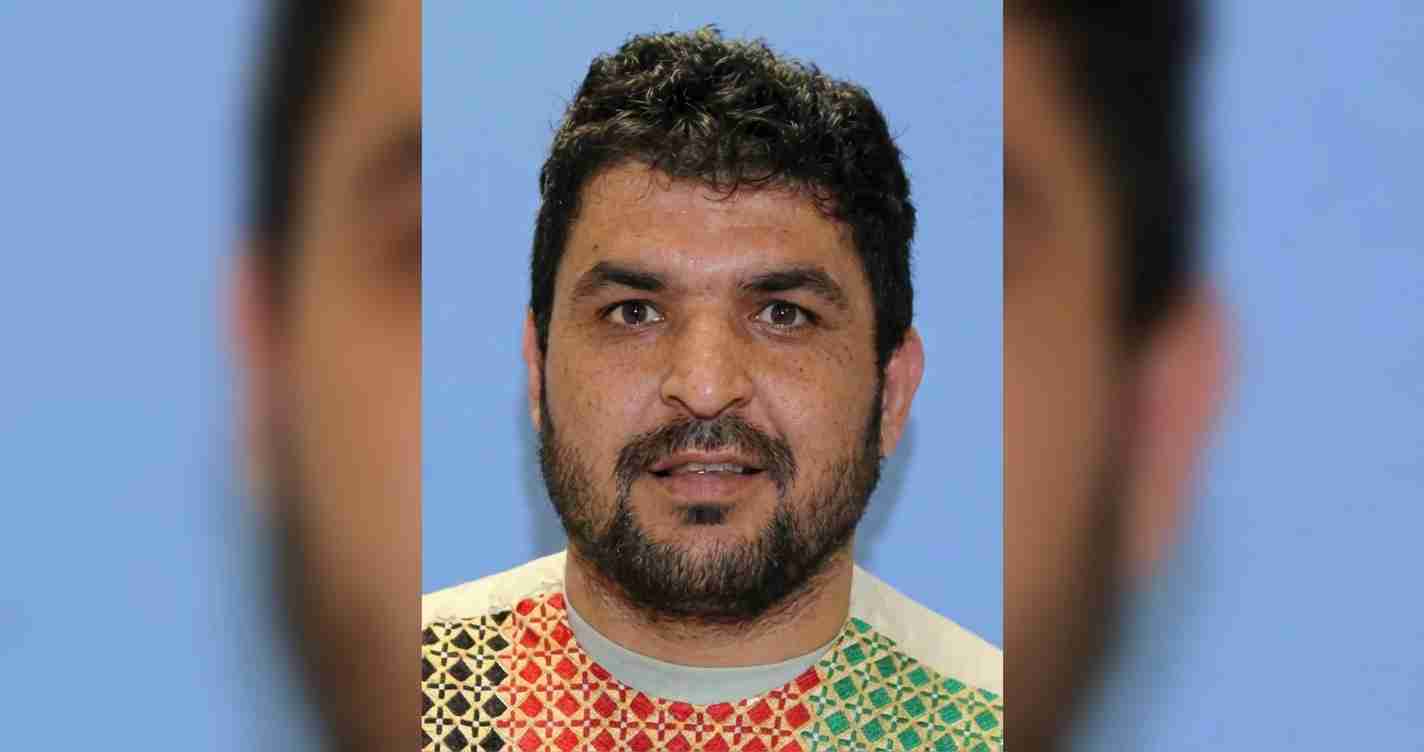
- Incident details: The call followed an attack near the White House attributed to 29-year-old Rahmanullah Lakanwal, who reportedly entered the U.S. in 2021 under Operation Allies Welcome (Fox News).
- Vetting criticism: Noem blamed what she described as inadequate screening under the Biden administration and urged immediate policy changes (Fox News).
Main coverage
Noem’s proposal and rhetoric
Homeland Security Secretary Kristi Noem announced she was recommending a “full travel ban” after a meeting with President Trump. In strong social media language quoted by Fox News, Noem wrote:
“I just met with the President. I am recommending a full travel ban on every d— country that’s been flooding our nation with killers, leeches, and entitlement junkies. Our forefathers built this nation on blood, sweat, and the unyielding love of freedom—not for foreign invaders to slaughter our heroes, suck dry our hard-earned tax dollars, or snatch the benefits owed to AMERICANS. WE DON’T WANT THEM. NOT ONE.”
Supporters view the remarks as a forceful defense of public safety and resource protection. Critics warn the rhetoric risks stigmatizing whole groups and complicating diplomatic or legal responses to security threats.
The DC attack incident that prompted the call
The travel ban recommendation followed an incident in Washington, D.C., where two National Guard members were injured in an encounter with an Afghan man identified by law enforcement as 29-year-old Rahmanullah Lakanwal. According to reporting by Fox News, Lakanwal entered the United States in 2021 under Operation Allies Welcome, a program that resettled Afghans after the Taliban takeover.
The incident occurred just blocks from the White House and has renewed questions about how evacuees and refugees were screened before resettlement. Noem and other officials have cited the case as evidence that current vetting systems are insufficient.
Immigration vetting criticism and policy implications
Noem sharply criticized vetting procedures, saying they failed to prevent dangerous individuals from entering the country and explicitly blaming processes used during the Biden administration. The focus is on whether screenings tied to Operation Allies Welcome met the standards required to protect public safety (Fox News).
Policy experts note that broad travel bans based on nationality face legal challenges and diplomatic pushback. Any such proposal would need to:
- define inclusion criteria and exemptions;
- address refugee and asylum obligations;
- establish operational vetting protocols in complex evacuation settings.
Supporters argue for stronger vetting and temporary restrictions for high-risk groups. Critics emphasize targeted intelligence-driven approaches and warn that blanket bans can harm innocent people and fail to stop domestic radicalized actors.
Public safety, resources, and rhetoric
Noem framed part of her argument around fiscal impact, stating some immigrants “suck dry our hard-earned tax dollars” and “snatch the benefits owed to AMERICANS.” These claims highlight tensions between humanitarian obligations and perceived fiscal strain on healthcare, housing, and social services.
Public safety experts urge weighing individual criminal incidents against broader crime and immigration statistics. Many analysts recommend nuanced solutions — for example, enhanced vetting for specific high-risk categories while preserving legal humanitarian pathways.
Implications for California
Economic impact
California’s economy relies heavily on immigrant labor across agriculture, construction, caregiving, technology, and higher education. A broad travel ban could reduce seasonal and specialized labor supply, stress hospitals and elder-care staffing, and slow university and research hiring.
Political consequences
California leans Democratic statewide, but conservative voters may respond favorably to stricter vetting. However, sweeping bans could alienate moderates and prompt statewide debates balancing safety concerns with economic and humanitarian realities.
Social effects
Large Afghan, Middle Eastern, and immigrant communities in California could face longer family separations, increased scrutiny, and stigmatization. Local nonprofits, schools, and faith groups may see higher demand for legal and social services.
Cultural relevance
Immigration shapes California’s identity. Policies restricting entry from whole countries may clash with local values of inclusion and the missions of universities and community organizations that support newcomers.
Practical applications for residents
Residents may face travel disruptions, delayed family reunifications, and impacts on universities and businesses reliant on international talent. Local service providers and law enforcement will need clearer federal guidance and potentially more resources to manage resettlement and vetting demands.
Sources and reporting
This account is based on reporting by Fox News, which documented Secretary Noem’s social media posts, her meeting with President Trump, and the facts surrounding the Washington, D.C., incident and the suspect’s entry to the United States under Operation Allies Welcome.



