
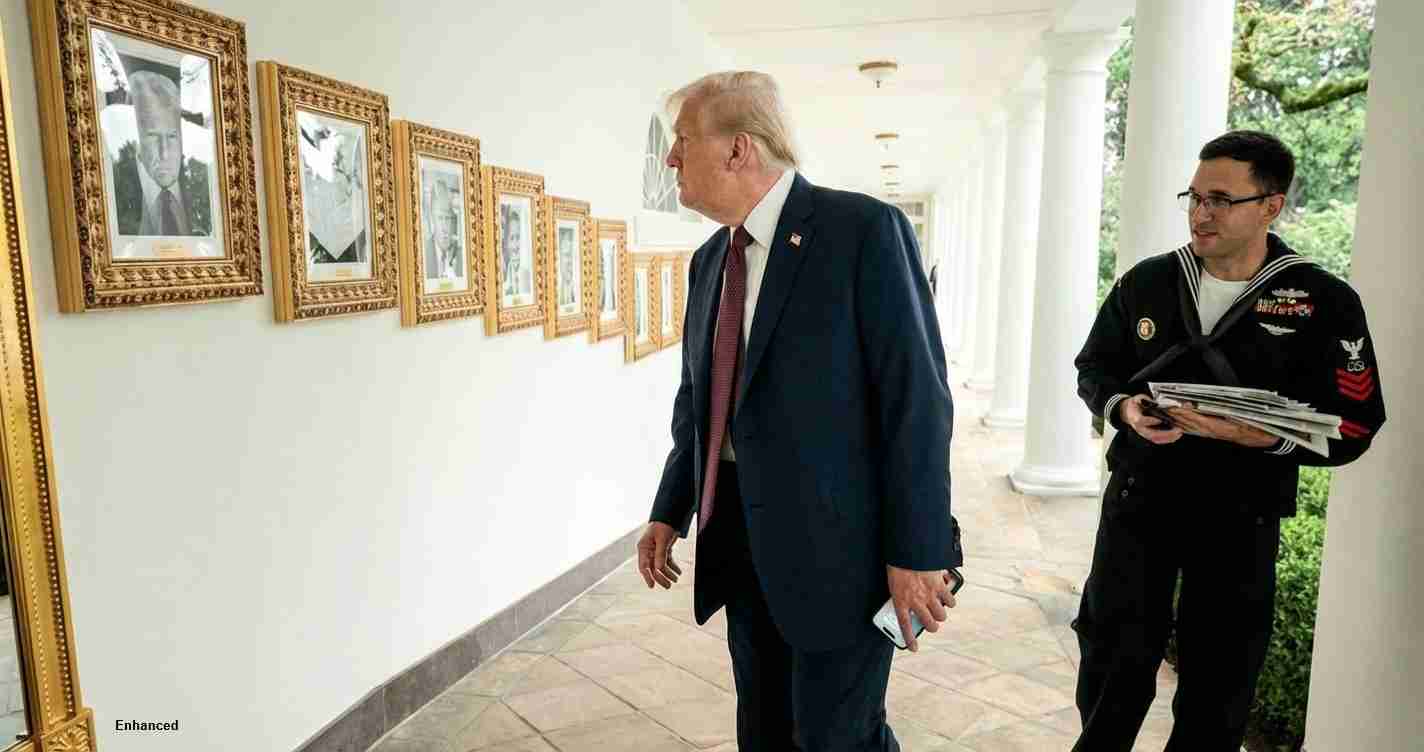
Trump voids Biden autopen actions, threatens perjury charges as Oversight Committee report raises constitutional validity concerns
The Trump administration has begun reviewing and voiding presidential actions it says were signed by an autopen during the Biden presidency, raising constitutional questions and threats of perjury as the House Oversight report alleges improper signature practices.
Key takeaways
- White House review initiated: The administration directed agencies to flag and potentially void actions it says were executed via autopen (White House review notice).
- Oversight report alleges misuse: The House Oversight report contends senior staff used a mechanical signature and concealed signs of the President’s condition (Oversight Committee report).
- Legal stakes: The administration raised constitutional validity concerns and warned of possible perjury or criminal referrals to the DOJ.
White House moves to void autopen-signed actions
On June 2025 the White House announced a formal initiative to review and, where appropriate, void presidential actions it says were executed with a mechanical signature rather than by the President himself. The statement frames the effort as a measure to protect the Constitution and ensure the lawful exercise of executive authority (Reviewing Certain Presidential Actions).
Officials said the review will examine a range of actions and identify decisions that may lack proper authorization or documentation. Agencies were instructed to flag questionable actions and recommend whether to rescind or reissue items with clear presidential authorization. The administration described the effort as a safeguard for the rule of law and the separation of powers.
Oversight Committee report details and allegations
The House Oversight Committee released a report titled “The Biden Autopen Presidency: Decline, Delusion, and Deception in the White House”, alleging senior staff used an autopen to sign documents in the President’s name and hid evidence of his physical and mental state from the public (The Biden Autopen Presidency).
The report cites specific instances—including alleged irregularities related to pardons and commutations—and contends some actions lacked clear written authorization. House Oversight Chairman James Comer referred evidence to the Department of Justice and urged prosecutors to investigate aides named in the report, including Dr. Kevin O’Connor, Annie Tomasini and Anthony Bernal; the committee says those aides invoked the Fifth Amendment when asked to testify.
Constitutional validity concerns and legal questions
The Trump administration argues the alleged use of an autopen raises serious constitutional validity concerns. Officials emphasize that the Constitution vests executive power in the President, and actions taken in the President’s name must reflect his lawful exercise of that authority (White House review).
Legal questions remain contested: Can an autopen be a valid signing mechanism for a President? Do internal records and contemporaneous authorizations prove consent? Who has standing to challenge actions years later? Agencies were told to assess authorization records when determining whether to void actions.
Perjury threat and possible legal exposure
Public guidance from the administration warned that knowingly false statements about who signed or authorized actions could prompt criminal charges, including perjury, if made under oath. The White House framed the warning as a deterrent against what it describes as a potential cover-up of presidential incapacity (White House action).
House referrals request criminal review of both the actions and the conduct of named aides (Oversight referrals). The DOJ faces difficult evidentiary issues: proving intent, establishing contemporaneous authorization, and deciding whether administrative or political remedies are more appropriate than criminal prosecution.
Oversight findings on record-keeping and pardons
The Oversight report highlights alleged gaps in record-keeping and approval processes for several late-administration actions, including pardons and commutations. The committee says some actions lack clear written authorization or documentary proof showing the President’s approval (Oversight Committee report).
If substantiated, these gaps could complicate the legal standing of some decisions and prompt litigation from affected parties. The White House review tells agencies to catalog questionable items and recommend corrective steps, such as reissuing actions when lawful and necessary (Reviewing Certain Presidential Actions).
Political and legal context
The dispute will likely unfold via administrative reviews, congressional oversight, and possibly federal courts. The Trump administration frames its review as defending the Constitution, and supporters argue the step is needed to protect presidential integrity. Critics warn the effort risks politicizing signature practices and unsettling long-standing executive actions.
At stake is more than paperwork: rescinding or reissuing major rules, contracts, or pardons could ripple through businesses, individuals, and government programs. The DOJ must weigh evidence carefully before pursuing criminal charges tied to perjury or other offenses.
Implications for California
Economic impact
Federal actions affect California across environmental rules, contracts, and immigration policy. If the administration voids or reopens actions it contends were autopen-signed, state agencies and businesses may face uncertainty: regulations may be re-examined, permits delayed, compliance costs shifted, and federal grant conditions altered.
Political consequences
The autopen controversy could energize voters statewide. Moderate conservatives may emphasize rule-of-law concerns and executive accountability, while other constituencies view the move as politically motivated. The issue could affect congressional and state races as candidates weigh in.
Social effects
If pardons or commutations tied to the review involve Californians, victims’ groups, families, and community organizations may mobilize. Public trust in federal decision-making could be affected if people believe actions were taken without transparency or proper oversight.
Cultural relevance
The debate taps into California conversations about leadership, transparency, and institutional trust. Voters often value both strong institutions and accountability; the autopen issue will likely be framed around those themes across the political spectrum.
Practical applications for daily life
State agencies relying on federal guidance should prepare for short-term uncertainty. California departments handling environmental permits, health program funding, or law enforcement grants should review records tied to federal actions that might be re-examined. Businesses with federal contracts or pending approvals should consult counsel. Residents affected by pardons or benefits should monitor official notices and agency guidance.
Sources and documents
- Reviewing Certain Presidential Actions — White House review
- The Biden Autopen Presidency: Decline, Delusion, and Deception in the White House — House Oversight Committee report
- Note: All original facts, information, and URLs preserved as cited above.



