
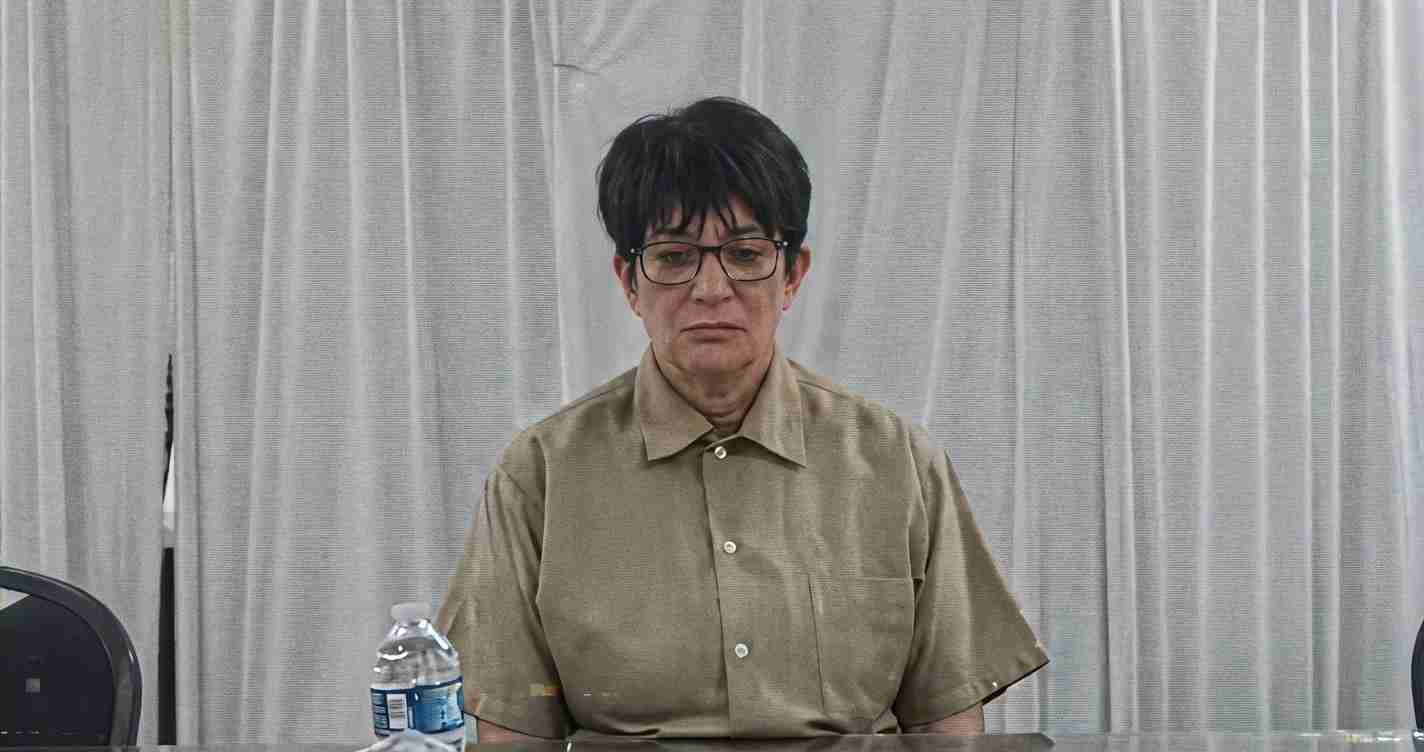
Ghislaine Maxwell Pleads the Fifth in House Oversight Committee Deposition; Lawyer Seeks Trump Clemency
Ghislaine Maxwell invoked her Fifth Amendment right during a virtual House Oversight deposition on Feb. 9, 2026, refusing to answer questions about the federal handling of Jeffrey Epstein’s case while appearing by video from a Texas prison.
- Pleading the Fifth: Maxwell invoked the Fifth less than an hour into a closed-door deposition in the bipartisan Epstein probe (ABC News; Politico).
- Clemency request: Her attorney said she would testify fully only if President Trump granted clemency or a shortened sentence (ABC News; Politico).
- Committee response: Chair James Comer called the outcome “very disappointing,” and lawmakers signaled they will continue the probe and review unredacted files (ABC News).
What happened
On Monday morning the virtual session opened with Maxwell appearing by video from her cell in a minimum-security federal prison in Texas, where she is serving a 20-year sentence. Her attorney read an opening statement saying she would not answer questions, and Maxwell then invoked her Fifth Amendment right against self-incrimination. The exchange lasted under an hour and produced no testimony about alleged co‑conspirators or prosecutorial decisions related to Jeffrey Epstein’s crimes (ABC News; Politico).
Markus’ clemency plea and the pardon question
Attorney David Oscar Markus read a statement asserting that neither President Donald Trump nor former President Bill Clinton should be connected to wrongdoing, and he said Maxwell would speak fully only if President Trump granted clemency or shortened her sentence. Markus’ statement was posted on X shortly after the deposition. That public positioning moved the discussion into partisan terrain and prompted immediate pushback from lawmakers and survivors’ advocates (ABC News; Politico).
Lawmakers’ responses
Reactions were bipartisan and sharp. House Oversight Chairman James Comer (R‑Ky.) called the outcome “very disappointing,” saying the committee sought answers for victims and the public about Epstein’s crimes and potential missed opportunities by prosecutors. “She committed a lot of crimes,” Comer said, warning the panel would not offer immunity or clemency as a quid pro quo (ABC News).
“Very disappointing,” said Chairman James Comer, reflecting bipartisan reluctance to swap clemency for testimony.
Republican Rep. Andy Biggs (R‑Ariz.) noted Maxwell’s pending habeas petition in New York federal court and suggested that pending legal filings may have influenced her decision to remain silent. Democrats called the clemency request inappropriate; Rep. Suhas Subramanyam (D‑Va.) said Maxwell should have no hope of release, and Rep. Jasmine Crockett (D‑Texas) criticized the attempt to seek a pardon (ABC News).
Legal and investigative context
Maxwell’s invocation of the Fifth comes after a lengthy legal battle. Convicted in 2021 for her role in Epstein’s sex‑trafficking ring, she received a 20‑year federal sentence and has pursued multiple appeals, including filings up to the Supreme Court. Her attorneys noted limited prior cooperation with prosecutors; she previously spoke briefly under immunity to Deputy Attorney General Todd Blanch. Lawmakers stressed they want more than criminal admissions — they are seeking a fuller public record about prosecutorial decisions, known associates, and missed investigative opportunities in a bipartisan probe designed to uncover official failures (ABC News; Politico; recorded briefings).
Next steps in the Epstein probe
The Oversight Committee outlined a string of upcoming depositions and document reviews. Scheduled interviews include retail billionaire Leslie Wexner (Feb. 18), former Secretary of State Hillary Clinton (Feb. 26), and former President Bill Clinton (Feb. 27). The committee also plans to depose Epstein’s accountant and lawyer and to continue reviewing unredacted Justice Department files made available to members. Investigators say survivors’ accounts drove the probe and will remain central to further questioning (ABC News; video briefings).
Documents and survivor access
On the day of Maxwell’s deposition, some committee members reviewed unredacted Epstein files at the Department of Justice. Those files may illuminate prosecutorial decisions, grand‑jury activity, and communications involving Epstein’s circle. The committee says these documents will guide follow‑up questions and potential subpoenas as it seeks to build a public record for survivors and the public (ABC News; Politico).
Implications for California
Economic and legal impacts: California hosts institutions, charities, universities, and wealthy donors once linked to Epstein’s circle. Revelations could prompt legal reviews of past donations, contracts, and affiliations, increasing costs for internal investigations and counsel.
Political consequences: State officials from both parties could face pressure if the committee identifies connections to California institutions. Voters and media may demand transparency, and state lawmakers could call for additional probes where applicable.
Social effects: Survivors’ advocacy groups in California say national attention may encourage more survivors to come forward, increasing demand for victim services, counseling, and legal assistance in cities such as Los Angeles, San Francisco, and San Diego.
Cultural relevance: Concerns about elite immunity resonate in California. If evidence shows powerful actors escaped accountability, it could spur bipartisan calls for reform and measures to prevent future prosecutorial or oversight failures.
Practical effects on daily life: The probe may affect local philanthropy and ongoing cases. Nonprofits and businesses might change donors or board members, tighten vetting, and adjust partnership decisions, affecting community funding and sponsorships.
What to watch in California: Californians should monitor whether the Oversight Committee names local institutions, funders, or officials; any such mentions could trigger state investigations, board changes, or demands for bipartisan transparency.



