FBI Says Thomas Crooks Acted Alone in Butler, Pa., Trump Rally Shooting After Unprecedented Global Probe
The FBI concluded its global probe into the July 13, 2024 Butler, Pa., rally shooting, finding Thomas Matthew Crooks acted alone with no accomplices or foreign direction; investigators continue to seek a clear motive after an expansive digital and international inquiry.
Key takeaways
- FBI finding: Thomas Crooks acted alone; no accomplices found (ABC News reporting on FBI briefings).
- Scope: Thousands of interviews, international leads and extensive digital forensics (ABC News).
- Motive: Still undetermined; mixed online searches and no clear political alignment (ABC News).
- Attack details: Eight shots fired; one attendee killed; Crooks killed by Secret Service within seconds (Wikipedia: attempted assassination; Wikipedia: Thomas Crooks).
Investigation overview and FBI findings
The FBI described the inquiry as one of the largest and most global in recent bureau history. Agents conducted thousands of interviews, followed leads abroad and performed detailed digital forensics to determine whether anyone else planned or assisted in the attack (ABC News).
Investigators recovered passwords and accessed several foreign email accounts tied to Crooks, reviewing purchase records and correspondence. The bureau reported no evidence these accounts contained contact with outside parties who directed or helped plan the attack (ABC News).
“Agents reconstructed online searches and timelines to assess motive and contacts.”
Digital forensics showed Crooks searched both Democratic and Republican politicians prior to July 13, suggesting investigators that he may have targeted Trump because he was the most public figure scheduled closest to Crooks’ home rather than due to a single coherent ideological motive (ABC News).
Who was Thomas Matthew Crooks?
Thomas Matthew Crooks was 20 at the time of the attack. Reporting described him as academically capable but socially withdrawn and reclusive, with few social ties outside immediate family (ABC News; CBS News: Life of Thomas Crooks).
Profiles and reconstructions show Crooks conducted reconnaissance days ahead of the rally, practiced at shooting ranges, purchased ammunition and used a drone to survey the rally area (Wikipedia: attempted assassination).
Details of the attack and immediate response
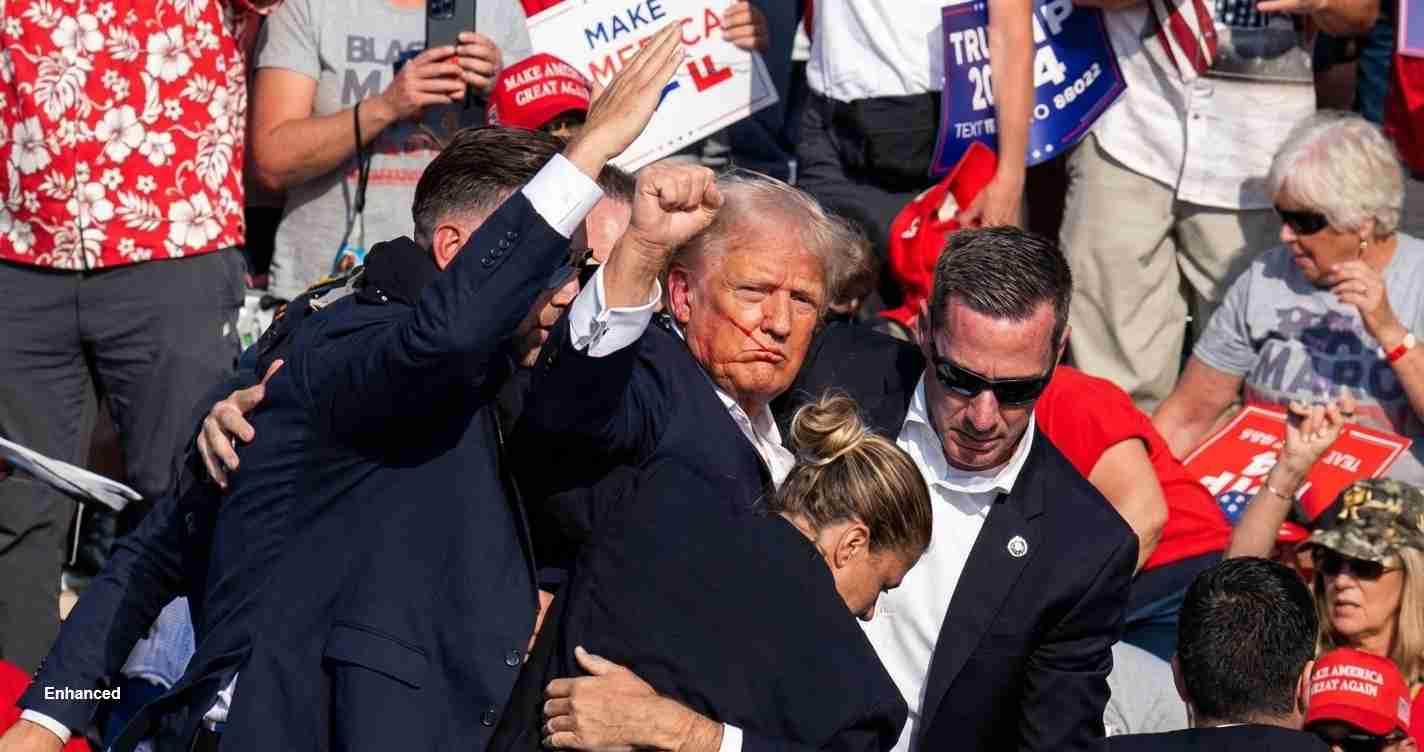
At the Butler rally, Crooks fired eight shots. President Trump was grazed near the ear; attendee Corey Comperatore was killed. Secret Service agents engaged and fatally shot Crooks roughly 16 seconds after the first rounds, according to investigative summaries (Wikipedia: Thomas Crooks; Wikipedia: attempted assassination; ABC News: Secret Service reporting).
Internal reviews and congressional inquiries later scrutinized security planning and response. Some Secret Service officers faced disciplinary action tied to pre-event lapses and conduct reviews (ABC News).
Motive still unclear
The bureau has not identified a clear motive. Officials told lawmakers Crooks’ searches did not indicate a consistent ideological cause, and investigators found no evidence he was directed by or connected to any organized group, domestic or foreign (ABC News).
Congressional scrutiny and transparency concerns
Some members of Congress expressed frustration about perceived limits on information from the FBI. A task force led by Rep. Pat Fallon issued a report criticizing communication and transparency and raised questions about preventable security weaknesses (KOMO; CBS Austin; KFOX; Fallon task force report).
Those criticisms primarily focus on process and information flow rather than disputing the FBI’s core conclusion that Crooks acted alone. Lawmakers seek fuller access to assess security gaps and improve protections.
Independent reporting and profiles
Journalistic reconstructions portray patterns consistent with a lone actor: isolation, limited outside contacts, and planning traced through purchases, communications and movements. Reporting from CBS News, ABC News and compiled public records supports the bureau’s assessment.
Security lessons highlighted by the probe
Law enforcement and congressional reviews emphasize specific steps to reduce risk at large events: tighten perimeter checks, improve advance-event scouting and information sharing, and clarify on-site response roles for uniformed and plainclothes officers. These recommendations are summarized in the Fallon task force report and related reporting (ABC News).
Implications for California
Economic and public event impact: California venues and local governments may face higher costs to bolster screening, perimeter control and staff training for political and public events.
Political and electoral consequences: Findings could strengthen calls for improved coordination between federal, state and local agencies and influence debates on public safety budgets and event security standards.
Social and community effects: High-profile attacks often increase public anxiety about open political events; organizers may prefer ticketed or fenced events with security checks to reassure attendees.
Cultural relevance: The FBI’s lone-actor finding may calm conspiracy concerns for some, but transparency questions raised by lawmakers risk eroding public trust for others.
Practical steps for California organizers and officials
- Conduct joint threat assessments with federal partners.
- Increase advance site surveillance and clarify information-sharing protocols.
- Invest in training for rapid response teams and update candidate appearance guidelines.
- Review the Fallon task force report and federal recommendations summarized by ABC News.
Reporting and sources
This article draws on reporting and public documents, including ABC News coverage of FBI briefings, Wikipedia entries (attempted assassination; Thomas Crooks), CBS News background reporting, Secret Service reporting on agent discipline (ABC News) and the House task force report (Fallon task force report).
Additional congressional and local media coverage on transparency concerns includes reporting from KOMO, CBS Austin and KFOX.
Bottom line
The FBI’s public posture is that Thomas Matthew Crooks acted alone in the July 13, 2024 Trump rally shooting after an expansive international and digital investigation that found no evidence of collaborators or foreign involvement. Investigators continue to examine motive and lessons to prevent future attacks.