Engine Detaches, Cargo Plane Explodes on Takeoff — At Least 14 Dead in UPS Plane Crash Louisville
A UPS Airlines cargo jet, Flight 2976, crashed during takeoff from Louisville Muhammad Ali International Airport after its left engine detached and the wing ignited, killing at least 14 people, including all three crew members and a child.
- Flight 2976’s left engine separated during takeoff, leading to a wing fire and rapid loss of control.
- At least 14 people were killed, including all three crew members and a child; multiple others were treated and many discharged.
- The NTSB is leading an active investigation; cockpit audio and eyewitness video are key evidence.
- UPS confirmed the accident and is cooperating while suspending nearby hub operations temporarily.
Key information — UPS plane crash Louisville, cargo plane engine fire, Louisville airport accident
Flight: UPS Airlines Flight 2976, a UPS cargo jet preparing to depart runway 17R.
Time: About 5:13 p.m. local time on the day of the accident. Weather was reported as fair. (Source: Wikipedia)
Fatalities: At least 14 people died, including all three crew members and a child. (Source: Wikipedia)
Cause in sight: The aircraft’s number one (left) engine separated from the wing during takeoff and the wing caught fire. (Source: Wikipedia)
Immediate aftermath: The plane gained only about 175 feet of altitude, banked sharply left, struck buildings and fuel tanks, and crashed into a semi-truck parking lot and an auto scrap yard. A large fire followed. (Source: Wikipedia)
Investigation: The National Transportation Safety Board (NTSB) is leading the probe. Cockpit audio recovered shows a repeating bell sounded for roughly 25 seconds as pilots tried to control the emergency. (Source: NTSB video / cockpit audio)
Official statement: UPS confirmed the aircraft accident and is cooperating with authorities. (Source: UPS statement)
Timeline of the crash and early evidence
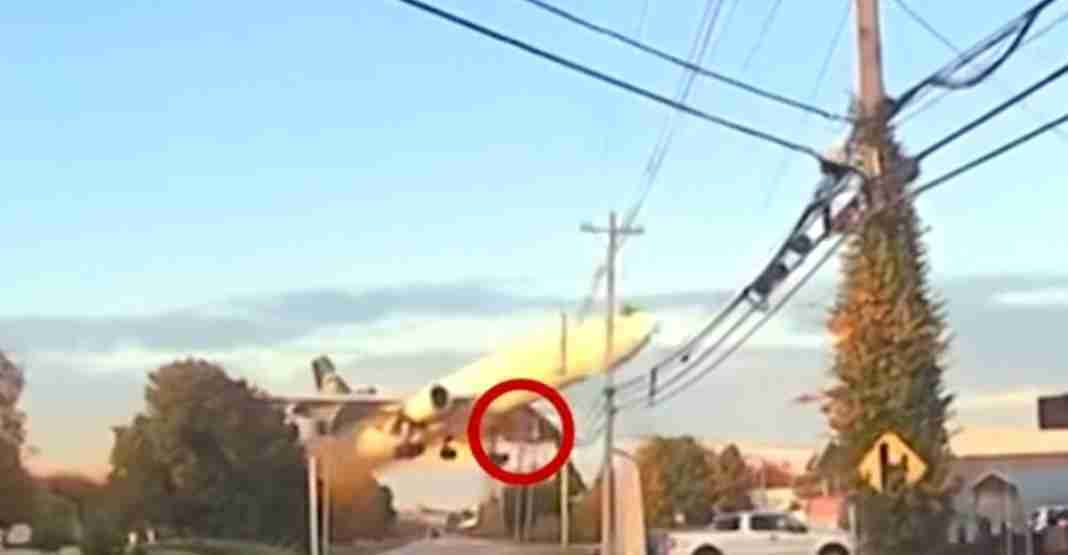
Eyewitness video later reviewed by investigators shows the left engine detaching during the takeoff roll. The engine separation and a fire on the left wing were visible even before the airplane left the ground. The flight achieved only a brief climb to about 175 feet, then banked left and impacted a warehouse roof and other structures near the airport. The detached engine was later found near the runway, indicating a catastrophic mechanical failure during the takeoff sequence. (Source: Wikipedia)
“A repeating bell sounded in the cockpit for roughly 25 seconds as the flight crew worked to control the aircraft.”
Cockpit audio recovered by investigators captured the repeating bell and crew responses that are part of the NTSB’s initial findings. Investigators continue to analyze voice and data recorders in conjunction with video and wreckage evidence. (Source: NTSB video / cockpit audio)
Victims, survivors and local response
Fatalities and injuries: Authorities confirmed at least 14 deaths, including all three crew members on board; early reporting indicated a child was among the dead. Initial tallies of missing and injured shifted as rescue teams searched burning buildings. At one stage, officials reported about 15 people were hospitalized; 13 of those were discharged by the next morning. (Source: Wikipedia)
Local response: Fire crews and first responders battled intense flames that engulfed industrial and commercial properties. Officials issued shelter-in-place orders early and later scaled them back as conditions improved. A reunification center was established to assist families and reduce strain on hospitals. (Source: Wikipedia)
Airport operations and economic fallout
Immediate effects: The accident led to immediate flight cancellations at Louisville Muhammad Ali International Airport. UPS temporarily suspended operations at its nearby Worldport air hub while emergency response and cleanup were underway. The affected runway was closed; operations resumed only after firefighting allowed investigators to access the scene. The runway reopened after two days. (Source: Wikipedia; UPS statement)
Investigation and early findings
The NTSB is leading the investigation. Early reports indicate the number-one engine detached from the wing, followed by an intense wing fire; the detached engine was recovered near the runway. Investigators are analyzing cockpit voice and flight data recorders, eyewitness video, maintenance records, and recovered components to determine sequence and root cause. (Source: Wikipedia)
Key evidence: cockpit alarm audio (25-second repeating bell), eyewitness video showing engine separation, and recovered engine and airframe parts. (Source: NTSB video / cockpit audio)
Early reports did not indicate dangerous cargo aboard, but investigators will verify cargo manifests and material safety data. The NTSB may issue recommendations if mechanical, maintenance, training, or oversight failures are found. (Source: Wikipedia)
Statements from UPS and local officials
UPS: The company said it is “deeply saddened” by the accident and is cooperating fully with investigators while supporting families and local officials during recovery. (Source: UPS statement)
Local officials: Louisville’s mayor and emergency management leaders coordinated a multiagency response, urged residents to avoid the crash area, and set up shelters and reunification centers to help families. (Source: Wikipedia)
Why this matters — safety, oversight and accountability
A cargo-plane engine separation and wing fire during takeoff raises urgent questions about maintenance, inspection, parts traceability, and regulatory oversight. Investigators will examine maintenance logs, engine inspection histories, and parts traceability to determine whether failure resulted from manufacturing defects, improper installation, fatigue, maintenance error or other causes.
The NTSB and FAA findings could lead to mandated inspections, airworthiness directives, grounding of affected equipment, or design changes to prevent similar events and improve public safety.
Implications for California
Economic and logistics impact: UPS’s network touches California’s economy; disruptions at Worldport can ripple into California supply chains, delaying goods and time-sensitive freight. Companies should plan alternatives if UPS hub recoveries affect service. (Source: UPS statement)
Safety and oversight: California regulators and airport authorities will monitor the NTSB probe; findings could prompt inspection or training directives affecting operations in and out of California airports. (Source: Wikipedia)
Local preparedness: The crash highlights emergency planning needs for industrial zones near airports; California cities should review shelter-in-place, evacuation and reunification procedures.
Policy implications: For conservative-minded readers, the event underscores targeted oversight and accountability—transparent investigations and proportionate regulatory action that enhance safety without undue burden on commerce.
Sources and documents for further review
- Wikipedia: UPS Airlines Flight 2976
- UPS statement on aircraft accident
- Cockpit audio and NTSB remarks (video)
Reporting continues as the NTSB investigation progresses. All facts, figures and links are preserved from original sources.