
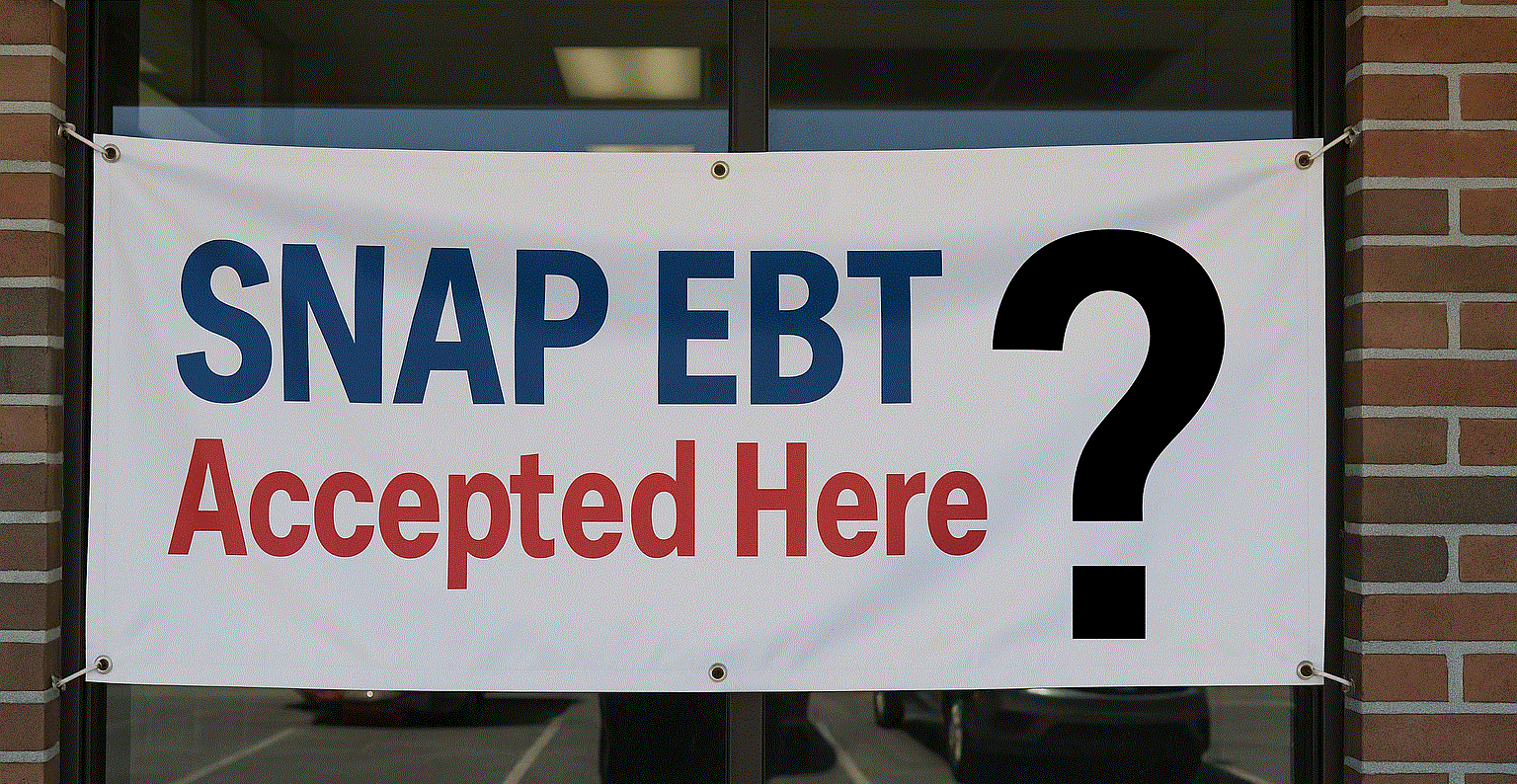
Federal judges order SNAP benefits continued during shutdown; Talwani blocks cuts
During a prolonged federal shutdown, emergency orders from two federal judges — including U.S. District Judge Indira Talwani — required the Trump administration to continue Supplemental Nutrition Assistance Program benefits, protecting millions of vulnerable Americans from immediate food insecurity.
Key takeaways
- Emergency orders: Two federal judges issued orders requiring SNAP benefits continue during the shutdown.
- Talwani hearing: U.S. District Judge Indira Talwani in Massachusetts heard 25 Democratic state leaders pressing to keep benefits flowing.
- Legal claims: Plaintiffs argued federal law and precedent obligate agencies to maintain SNAP operations despite appropriation lapses.
- Immediate protection: Rulings were narrow and aimed to prevent immediate and irreparable harm while broader disputes proceed.
Main story
Why the courts stepped in
When Congress fails to pass funding and a federal government shutdown begins, certain programs can stop unless specifically exempt or pre-funded. SNAP depends on federal administrative support to process and distribute monthly benefits. States warned courts that if federal administrative funds ran out, SNAP payments could be delayed or suspended, placing children, seniors and people with disabilities at immediate risk.
“Stopping SNAP benefits would cause immediate and irreparable harm,” plaintiffs told judges in emergency filings.
Judge Indira Talwani’s hearing in Massachusetts
In Boston, U.S. District Judge Indira Talwani presided over an emergency hearing in which 25 Democratic state leaders urged an order to keep SNAP benefits flowing. Court filings emphasized the human consequences of halting payments; Judge Talwani repeatedly focused on those potential harms and issued an order blocking the administration from cutting off benefits while litigation and negotiations continued.
The order was narrow: it prevented an immediate suspension of benefits while reserving broader legal questions for later proceedings.
Legal basis cited by plaintiffs and judges
Plaintiffs relied on statutory language governing SNAP and precedents that protect certain benefit programs from interruption during funding lapses. Their claims emphasized two core points:
- Immediate harm: Suspending SNAP would cause imminent and irreparable harm to millions who depend on monthly benefits to buy food.
- Statutory obligation: Federal agencies have a legal duty to carry out SNAP administration that plaintiffs argued cannot be ignored because appropriations lapsed.
Judges granted emergency relief after finding plaintiffs showed a substantial likelihood of harm and that the balance of equities favored preserving aid pending further litigation.
The status of other orders and open questions
At least one other federal judge issued a similar order around the same time, though public reporting and available filings do not clearly identify that judge in all sources. Multiple emergency actions can occur in different jurisdictions during a shutdown; additional docket searches are needed to identify the other order and to review its full text.
SNAP, the shutdown and policy context
SNAP (formerly called food stamps) provides monthly benefits to millions of low-income Americans to buy groceries. The program is administered by the U.S. Department of Agriculture’s Food and Nutrition Service and relies on federal staff and systems to issue benefits, track eligibility and process exchanges with state agencies.
During a shutdown, the main risk to SNAP is the need for ongoing federal administration. Without appropriation, federal offices could be unable to run critical systems that ensure timely payments. States told the courts that households would face immediate food insecurity if benefits were delayed.
Separately, Congress passed and the president signed the One Big Beautiful Bill Act of 2025 (OBBB), which included several SNAP-related provisions — such as changes to the Thrifty Food Plan, work requirements and shelter cost calculations. Those legislative changes, outlined by the USDA, do not directly reverse the emergency court orders but are part of the broader SNAP policy landscape.
Reactions from states, advocates and the administration
State attorneys general and governors framed emergency motions as a defense of vulnerable residents, warning judges that stopping SNAP would cause children and elderly people to go hungry. Advocacy groups stressed the human toll and urged quick court action. The administration defended its budget and policy stance, arguing appropriations are Congress’s constitutional responsibility, but courts weighed the logistical and humanitarian consequences of abruptly halting payments.
Implications for California
Economic impact
- Relief for low-income residents: California enrolls one of the largest SNAP recipient populations; the orders protected millions from sudden income loss.
- Local budgets and food banks: By preserving SNAP payments, courts reduced sudden pressure on food banks and local charities and helped avoid emergency spending spikes.
Political consequences
- State-federal tensions: The orders highlight tensions between state leaders and federal policy during shutdowns and show courts as a venue to protect residents.
- Election-year messaging: Keeping SNAP benefits flowing allowed state officials to avoid immediate blame for food insecurity — a politically sensitive issue in California.
Social effects
Vulnerable populations — low-income families, seniors and people with disabilities — were spared abrupt benefit interruptions that could have led to missed meals and added stress. Continued SNAP benefits also support school and community stability by helping maintain children’s nutrition and readiness to learn.
Cultural relevance
Many Californians value community support and mitigating hardship. The court rulings aligned with those values by preventing sudden loss of basic food assistance. For moderate conservatives, the rulings raise practical governance questions about ensuring essential services despite political disagreement.
Practical applications for residents
- Continued benefits: Recipients should expect monthly benefits on schedule while emergency orders remain in place; monitor EBT accounts.
- Local resources: Contact county social services or local food banks for assistance if delays or issues arise.
- Stay informed: Because these are emergency measures, monitor court dockets and official state announcements for updates.
Documents and further reading
For background on legislative changes related to OBBB, see the U.S. Department of Agriculture, Food and Nutrition Service — SNAP OBBB implementation.
Preserving the original facts and URLs, these emergency federal court orders — including the ruling by Judge Indira Talwani — illustrate how the judiciary can act to maintain essential services during funding lapses, providing immediate safeguards while broader legal and legislative questions proceed.



