DHS blasts NBC Bay Area for omitting suspect’s criminal history in San Jose arrest coverage
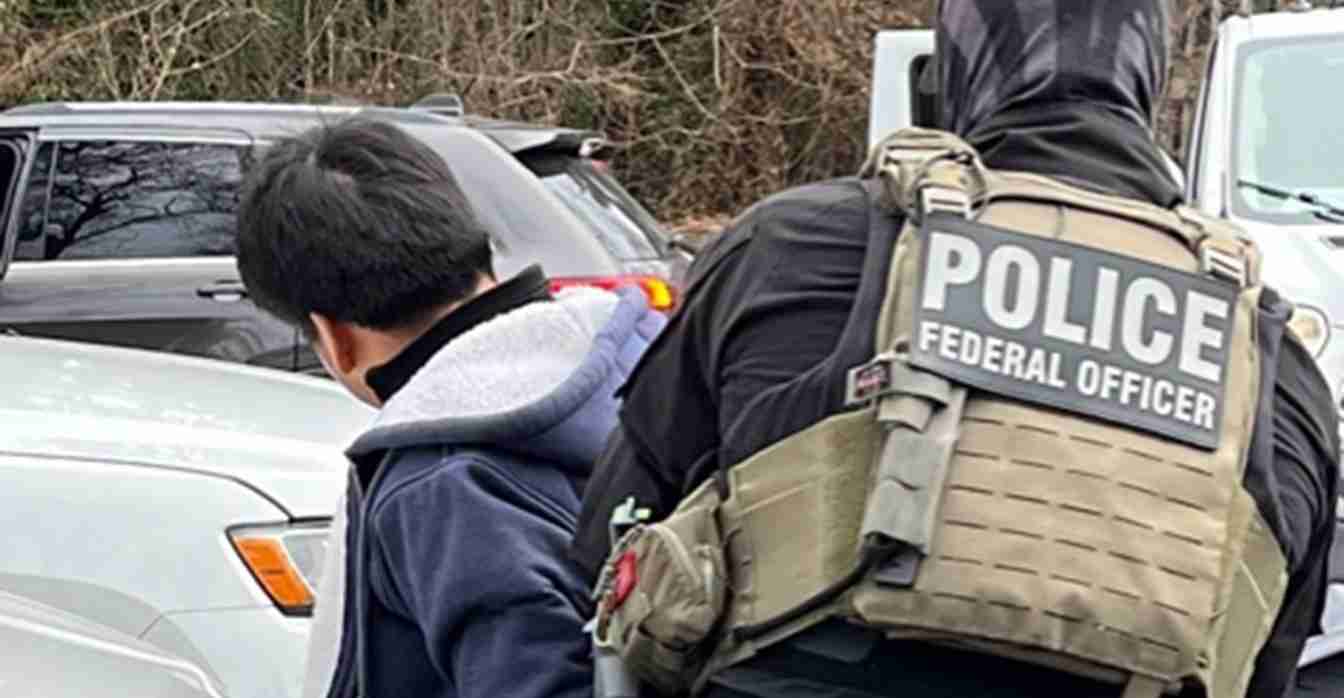
The Department of Homeland Security accused NBC Bay Area of omitting alleged criminal charges tied to Gerardo Rojas-Leyva during an Oct. San Jose arrest report, saying the station framed him as an “undocumented father” without disclosing an extensive alleged record.
- DHS publicly rebuked NBC Bay Area for failing to report alleged prior offenses tied to Gerardo Rojas-Leyva — a move the department called “significant.” (americanfaith.com, thenationalpulse.com)
- DHS released a list of alleged charges including sex- and domestic-violence-related offenses and felony reentry — allegations critics say NBC did not disclose. (americanfaith.com, slaynews.com)
- Coverage choices highlight a larger debate about when news outlets should report criminal histories tied to immigration enforcement actions. (diablovalleytimes.com, thepostmillennial.com)
DHS criticism and the department’s claims
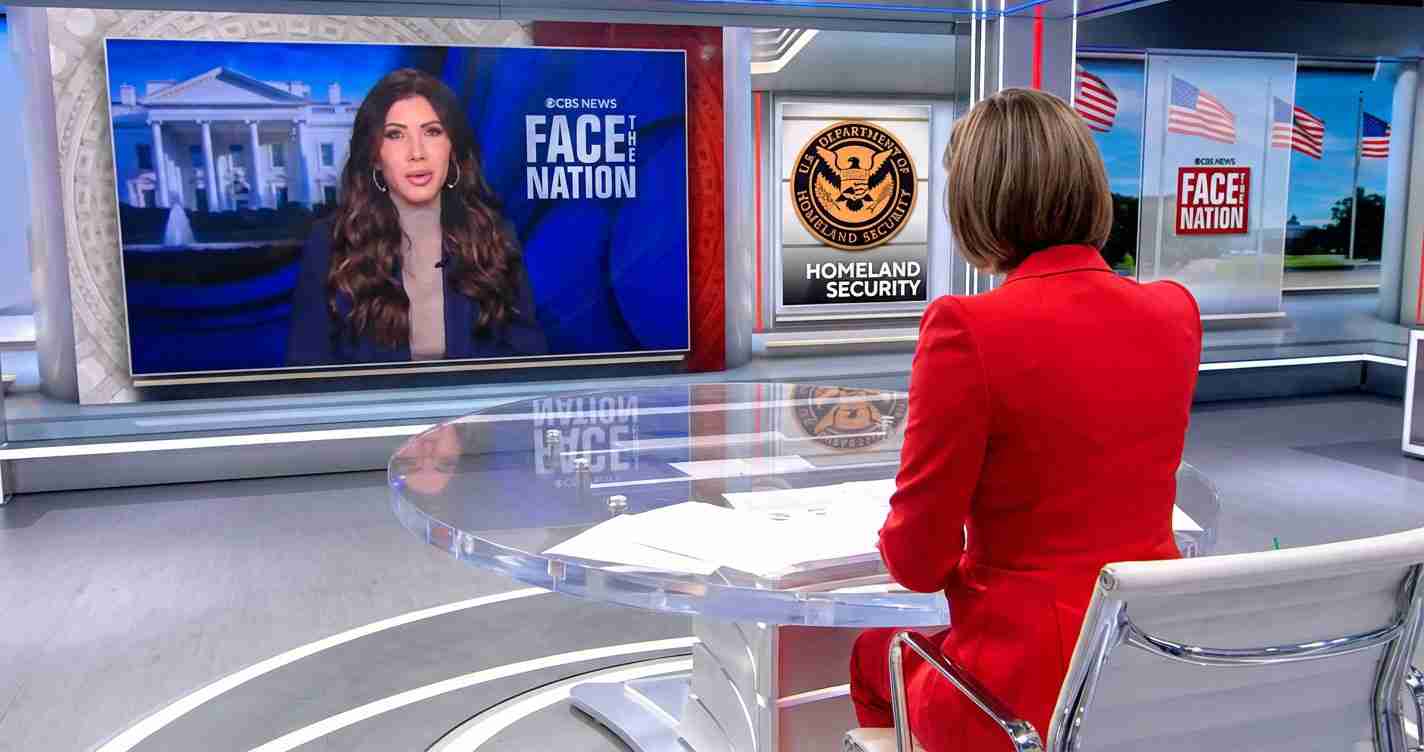
The Department of Homeland Security (DHS) issued a public critique after NBC Bay Area’s television segment on the Oct. arrest of Gerardo Rojas-Leyva in San Jose. Assistant Secretary Tricia McLaughlin said the station’s piece framed Rojas-Leyva as an “undocumented father” while omitting what DHS calls his prior alleged criminal conduct.
DHS officials argued that excluding the alleged offenses — which the agency says include sex-related charges, multiple domestic-violence counts and a felony reentry charge — left viewers without important context about why federal authorities carried out the enforcement action. (americanfaith.com, thenationalpulse.com)
DHS messaging pattern
The department has at times publicly pushed back on local and national reporting that it views as omitting criminal histories in immigration enforcement stories. DHS emphasized that many ICE arrests involve individuals with prior criminal records and said disclosure of those records is essential for public understanding. (diablovalleytimes.com, thepostmillennial.com)
What DHS says about Rojas-Leyva’s record
According to the accounts DHS circulated, agency records list several alleged offenses tied to Gerardo Rojas-Leyva. DHS and outlets relaying the department’s statement published the following list of alleged charges:
- Lewd and lascivious acts with a child (aged 14–15)
- Battery of a spouse
- Inflicting corporal injury on a spouse or cohabitant
- Domestic battery
- Providing compensation for prostitution
- Felony reentry after removal (alleged illegal re-entry following prior deportation)
DHS sources and outlets that published the department’s full statement said this list was not included in NBC Bay Area’s original broadcast. The department characterized the omission as harmful to accurate public reporting on immigration enforcement. (americanfaith.com, slaynews.com)
NBC Bay Area’s coverage and the family account
NBC Bay Area’s segment centered family reaction and included home security video of federal agents detaining Rojas-Leyva outside his residence as he left for work. The report featured his wife and daughter describing the arrest and alleging force was used against family members. Critics say the broadcast humanized Rojas-Leyva without mentioning the criminal allegations DHS cites. (americanfaith.com, thepostmillennial.com)
News organizations typically weigh editorial judgment about including arrest records, alleged charges and background context, sometimes awaiting court filings or official statements. In this case, DHS officials say the list of alleged crimes should have been disclosed at the time of broadcast. (diablovalleytimes.com, ourhesperia.com)
Response and attempts to reach NBC Bay Area
As of the initial reporting, NBC Bay Area had not issued a public correction or added the criminal-history details DHS cited. Journalistic practice generally calls for giving newsrooms an opportunity to respond; DHS chose to make its own record public and critics amplified the message. (americanfaith.com, diablovalleytimes.com)
Broader context: coverage of immigration and criminal records
The clash reflects a long-running debate over how media outlets cover immigration enforcement. DHS and conservative critics argue some reports minimize or omit criminal histories, shaping public perception and complicating enforcement narratives. Reporters and editorial leaders stress caution: allegations should be labeled as such and newsrooms must balance speed, accuracy and legal risks when reporting unproven claims. (thenationalpulse.com, resistthemainstream.com)
Administration policy and enforcement priorities
The DHS statement arrives amid a period of stricter federal immigration enforcement under the current administration. Department messaging emphasized prioritizing removal of individuals with criminal histories and cited agency tallies showing removals as context for public emphasis on enforcement targeting those with alleged criminal records. (americanfaith.com, thepostmillennial.com)
Media transparency and public trust
At the center of the dispute is media transparency: when should outlets report an individual’s criminal history tied to an immigration enforcement action? DHS and supporters say transparency is necessary; reporters counter that premature labeling risks harming individuals before adjudication and that editorial caution is often warranted. The Rojas-Leyva episode prompted DHS calls for clearer, fuller reporting on detainee backgrounds.
Implications for California
- Public safety and local trust: The dispute may increase scrutiny of how local newsrooms cover immigration arrests in California, reinforcing calls for more complete reporting of alleged criminal histories. (americanfaith.com, diablovalleytimes.com)
- Local journalism standards: Bay Area stations may face pressure from federal agencies and audiences to include more background detail; newsrooms must balance that pressure with legal caution and sourcing standards. (thenationalpulse.com, resistthemainstream.com)
- Political fallout: The exchange could be used by enforcement-minded officials to argue for stricter reporting and enforcement practices, while officials favoring protective policies for immigrants may push back. (thepostmillennial.com, ourhesperia.com)
- Court and enforcement proceedings: If charges proceed in court, updates could determine whether initial omissions were editorial caution or oversight; local reporting will shape public views. (slaynews.com, diablovalleytimes.com)
- Community relations: Incidents like this can affect trust between immigrant communities and institutions, with consequences for reporting on domestic violence, trafficking and other community issues. (diablovalleytimes.com, ourhesperia.com)
“The omission was significant,” DHS Assistant Secretary Tricia McLaughlin said in the department’s public statements, arguing the audience needed fuller context about the basis for the enforcement action.
Sources cited in reporting
- americanfaith.com/nbc-hiding-illegal-immigrant-crimes/
- thenationalpulse.com/2025/10/30/dhs-calls-out-nbc-for-framing-pedo-migrant-as-undocumented-father/
- slaynews.com/news/nbc-news-caught-hiding-illegal-aliens-horrific-criminal-history-arrest-story/
- diablovalleytimes.com/dhs-slams-nbc-bay-area-over-rojas-leyva-arrest-coverage/
- thepostmillennial.com/nbc-report-paints-illegal-immigrant-guilty-of-sex-crimes-felonies-as-sympathetic-undocumented-father-after-ice-arrest
- ourhesperia.com/dhs-criticizes-nbc-bay-area-immigrant-criminal-history-omitted/
- resistthemainstream.com/nbc-news-affiliate-shredded-over-coverage-after-dhs-drops-chilling-truth-bomb/