White House says privately funded ballroom named for Trump as Democrats, preservationists push back
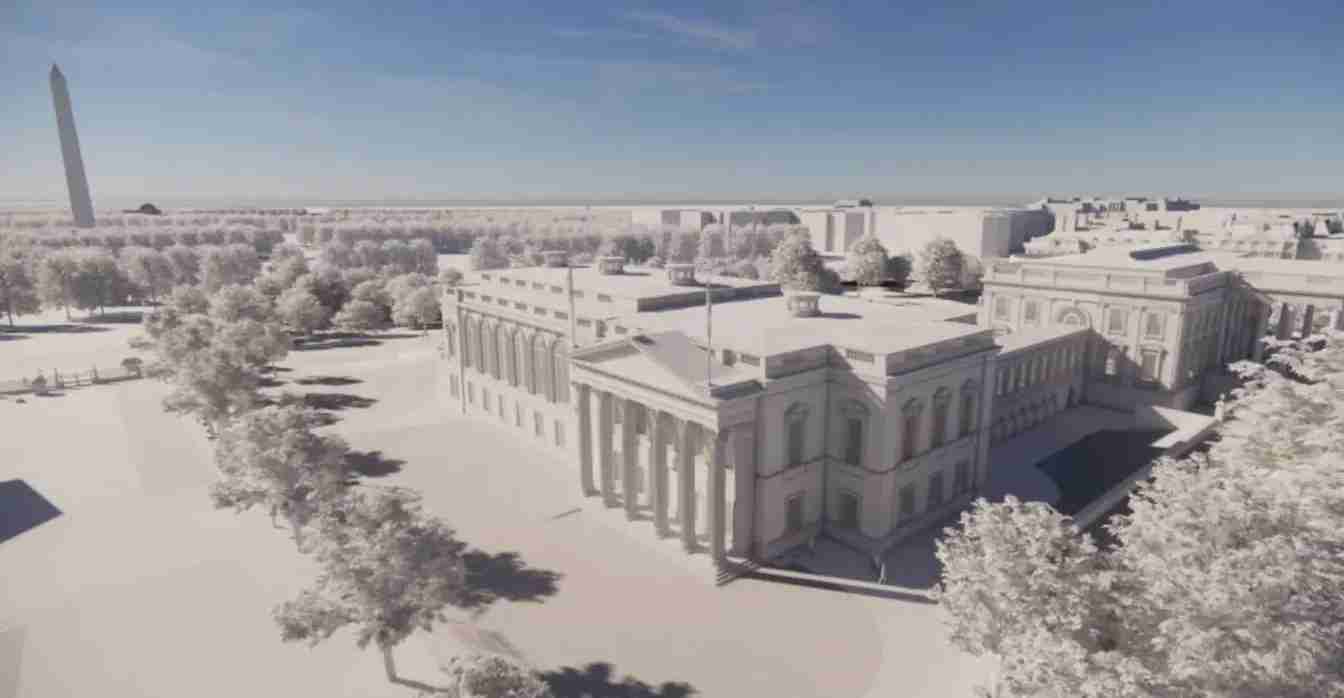
The White House is building a privately funded, large ceremonial space on the East Wing site, widely referred to as “The President Donald J. Trump Ballroom,” prompting debate over naming, preservation and transparency ahead of a projected 2028 completion.
Key takeaways
- Unofficial name: Senior officials are using the title — ABC News report on naming.
- Privately funded: The administration says the project is financed by President Trump and private donors, with no taxpayer funds — White House announcement.
- Scope: Built on much of the East Wing site, it will hold roughly 650–900 people and is described as the largest White House expansion in more than a century — White House briefing; SAH statement.
- Controversy: Democrats and preservationists object to the naming and to changes to the historic East Wing; transparency questions about donors and contracts remain.
What is being built
The project replaces much of the historic White House East Wing with an enlarged ceremonial space officials describe as a modern, ornate Neoclassical ballroom meant to match the executive mansion. The administration says the design will allow larger events than the current East Wing permits.
According to White House materials, McCrery Architects is the lead design firm, with Clark Construction and AECOM responsible for engineering and construction oversight; detailed technical plans and full materials lists have not been released publicly — see the White House announcement and the White House article on the project (White House ballroom article).
Who is paying
The administration maintains the project is entirely privately funded. A White House statement says the ballroom is financed by President Trump and other private “patriot donors” and will come at “zero cost to the American taxpayer.” Public estimates for initial costs range from about $200 million to $300 million, though independent audits and full accounting documents have not been published — White House release; Business Standard overview.
The name and White House response
Multiple outlets report that senior administration officials and spokespeople have been using the name “The President Donald J. Trump Ballroom” in public remarks and communications. The administration has defended the project as part of a continuum of presidential renovations, citing historical precedent and reiterating the private funding claim — see ABC News and the White House article (White House ballroom article).
When asked about the naming, President Trump said, “I won’t get into that now,” according to reporting — ABC News.
Press secretary Karoline Leavitt and other aides have characterized the work as routine presidential modernization and have called criticisms “manufactured” while emphasizing the private funding narrative — White House communications; see also media coverage (Fox News).
Criticism from Democrats and preservationists
Opponents raise two principal objections: the propriety of naming a major federal space after a sitting president, and the impact on the historic fabric of the East Wing. Some Democratic lawmakers call the move self-aggrandizing and inappropriate for a national residence and symbol — coverage reflects those partisan reactions (ABC News; Fox News).
Preservation groups and architectural historians, including the Society of Architectural Historians, warn that altering or removing parts of the 1902 East Wing would erase layers of White House architectural history and caution against prioritizing a new ceremonial space over conservation — see the SAH statement.
Media and political reactions
The ballroom has attracted broad attention across cable news, opinion shows and satire, with commentators on both left and right interpreting it as part of a legacy-building effort. Some media figures have mocked the notion of a branded White House room — see media coverage (Fox Media Coverage) and video commentary (media commentary and video coverage).
The administration has tried to shape the narrative by publishing articles and posts framing the ballroom as necessary modernization and national pride, reiterating the no-taxpayer-funds claim — White House article.
Open questions and transparency
Key investigative questions remain unanswered: the administration has offered broad statements about private funding but has not published detailed donor lists, complete contracts or independent audits. Watchdogs and some members of Congress have expressed interest in reviewing whether the private funding arrangement conforms with legal and ethical standards.
The absence of a formal presidential naming proclamation adds ambiguity. While senior staff appear to use the name, the lack of official documentation or a naming ceremony leaves potential legal and political avenues open for opponents who might seek to block or rename the space in the future — see reporting on the naming debate (ABC News).
Implications for California, USA
Economic impact: California nonprofit venues, event planners and luxury hotels may see indirect effects if the White House hosts more or larger events. Firms that contract with the federal government could face different competition dynamics; California-based construction, engineering and design firms might seek similar work if the public-private model expands — see the White House project announcement.
Political consequences: For moderate conservative Californians, the privately funded claim may appeal to fiscal conservatives, while preservation and naming concerns could unsettle voters who value institutional norms and stewardship. The controversy is likely to sharpen debates over transparency and the role of private money in public landmarks.
Social and cultural effects: Changes to the White House’s historic fabric can become focal points for preservationists, civics educators and cultural organizations in California; local preservation groups may offer expert testimony or public statements — see the SAH statement.
Practical applications: Tourism, media and production companies in California could see new business tied to coverage, events or unveilings associated with the ballroom — referenced in White House communications and media coverage (White House article; Fox News).
Documents and further reading
- ABC News report on naming
- White House announcement on construction
- White House article on the ballroom
- Fox News coverage of administration defense and media reaction
- SAH statement on preservation concerns
- Business Standard overview of costs and criticism
- Media commentary and video coverage
Reporting compiled from Times Media Service research and public statements; sources linked above.