More Virulent Clade I Mpox Detected in U.S.; Officials Watch Global Outbreaks, Clarify Hantavirus Reports
The United States has recorded more than 15 travel-related Clade I mpox cases by March 2026, a historically more severe strain; officials say public risk remains low while urging JYNNEOS vaccination and continued monitoring.
Key takeaways
- Clade I mpox is a genetically distinct, historically more severe form linked to Central Africa and the DRC.
- First U.S. detection: California, Nov. 15, 2024; roughly 15 travel-related U.S. cases reported by March 2026.
- Public risk in the U.S. remains low; officials recommend JYNNEOS for people at increased risk and prompt testing for suspected cases.
- Claims that WHO confirmed new hantavirus outbreaks in Spain and France were not substantiated in WHO/CDC records checked through early 2026.
What is clade I mpox and why it matters
Mpox—the disease caused by the monkeypox virus (MPXV)—occurs in two main genetic groups called clades. Clade I has been most common in parts of Central Africa, including the Democratic Republic of the Congo, and historically has been linked to more severe illness and higher death rates than clade II.
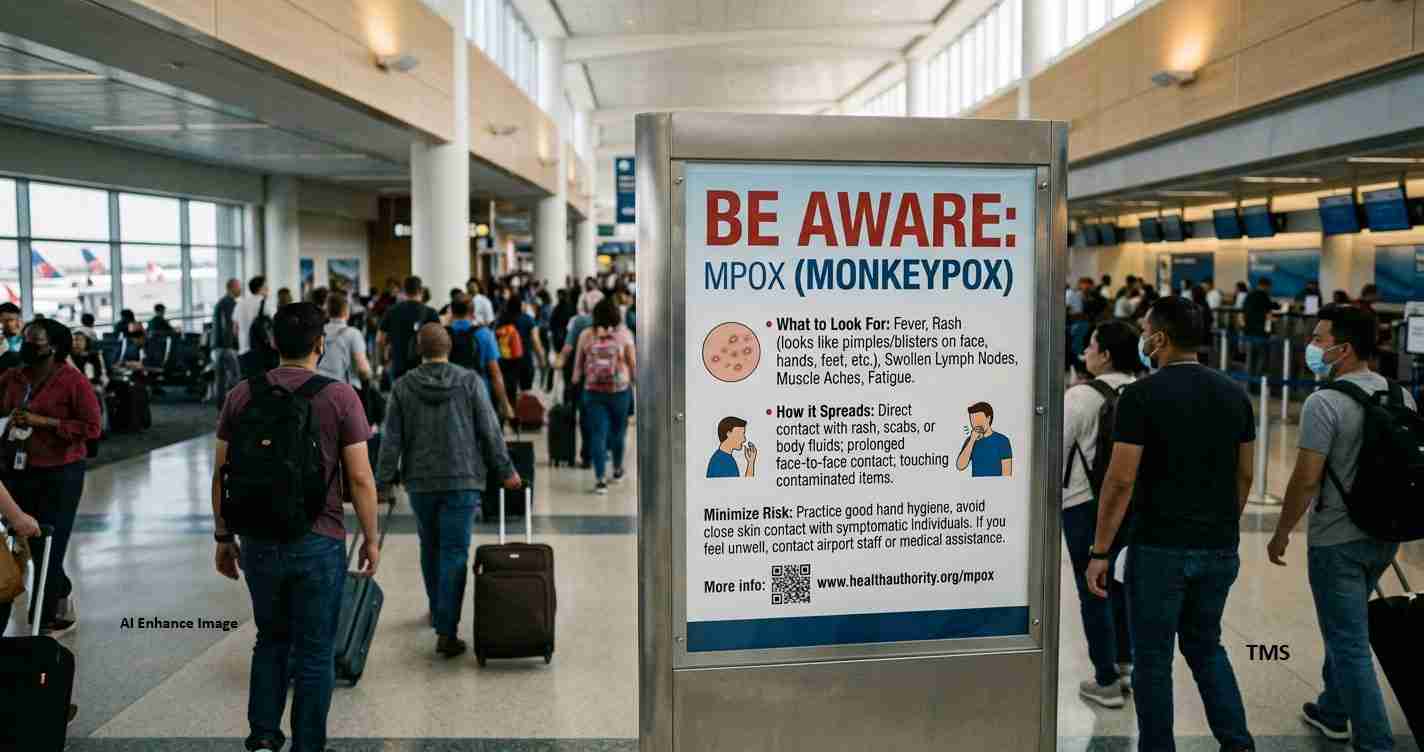
Common symptoms include fever, swollen lymph nodes and a rash that can last two to four weeks. Distinguishing clade I from clade II helps public health officials assess risk, plan testing and treatment, and prioritize vaccination.
U.S. cases and how they were identified
The first known U.S. clade I detection was reported by the California Department of Public Health on Nov. 15, 2024 in a traveler who tested orthopoxvirus-positive, clade II negative and clade I positive; the person experienced a mild illness and isolated while recovering.
By March 2026, public health agencies and local reporting had compiled roughly 15 U.S. clade I mpox cases, most linked to travel to Africa or to travelers. The CDC requests that clinicians and laboratories report any orthopoxvirus-positive sample that tests clade II negative so public health authorities can run further testing, sequencing and contact tracing.
“Labs should duplicate specimens and alert CDC about suspected clade I detections to ensure rapid response and characterization.”
Correcting inaccuracies: Connecticut and hantavirus reporting
Some reporting mixed up state agency names and locations. The Nov. 2024 first U.S. clade I detection was announced by the California Department of Public Health (CDPH), not Connecticut’s Department of Public Health. As of early 2026, Connecticut had not publicly reported a confirmed clade I case.
Similarly, claims that the World Health Organization officially confirmed new hantavirus outbreaks in Spain and France could not be verified in WHO or CDC releases available to public health trackers in early 2026. Hantavirus is rare in Europe but can cause severe respiratory or renal illness and is typically rodent-borne.
What public health officials recommend
Vaccination
JYNNEOS remains the primary preventive tool for people at elevated risk, including travelers with exposure, known contacts and some men who have sex with men in outbreak settings. The vaccine is a two-dose series; completing both doses provides the best protection.
Testing and reporting
Clinicians should order orthopoxvirus PCR testing for suspected cases and alert public health authorities when tests are clade II negative. Laboratories are asked to save duplicate specimens and notify CDC when clade I is suspected to speed sequencing and contact tracing.
Everyday prevention
- Avoid close contact with people who have unexplained rashes or lesions.
- Avoid handling sick or dead wild animals and rodent droppings; maintain rodent control to reduce hantavirus risk.
- If traveling to regions with active mpox transmission, practice risk-reduction measures and consider vaccination if eligible.
Implications for California
Economic: California’s travel, tourism and events sectors could be affected by travel-linked detections; vaccination and testing aim to limit disruptions and avoid event cancellations.
Political & social: Officials have emphasized targeted vaccination and testing rather than broad mandates, aiming to balance public safety with individual liberty. Outreach to at-risk communities is critical to prevent stigma while encouraging protective action.
Practical advice: Californians planning travel or attending crowded events should check vaccine eligibility, consider JYNNEOS if recommended, and seek testing for fever, swollen glands or a new rash. For hantavirus risk, emphasize rodent control and safe cleanup of droppings.
Reporting and surveillance needs
California and federal agencies continue to track clade I mpox cases closely. Rapid testing, genome sequencing and contact tracing are essential to stop transmission from travel-linked cases. Clinicians should report orthopoxvirus-positive, clade II-negative tests immediately so authorities can confirm clade I and begin tracing.
For suspected orthopoxvirus or mpox cases, clinicians and labs can contact CDC poxvirus experts at poxvirus@cdc.gov. For hantavirus or rodent-borne disease questions, consult local public health offices and CDC/WHO guidance pages for prevention and safe cleanup procedures.
Sources and evidence
- CDC Mpox (monkeypox) overview
- CDC guidance on responding and reporting mpox and orthopoxvirus
- WHO fact sheet: Monkeypox
- WHO fact sheet: Hantavirus (general information)
- California Department of Public Health (home page with press releases)
- CDC Hantavirus information
- Africa CDC (regional outbreak reports)
- Local reporting on clade I cases, including San Francisco coverage