Somali piracy surge, linked to Houthi ties, sparks fears of Red Sea security vacuum after MT Eureka hijacking
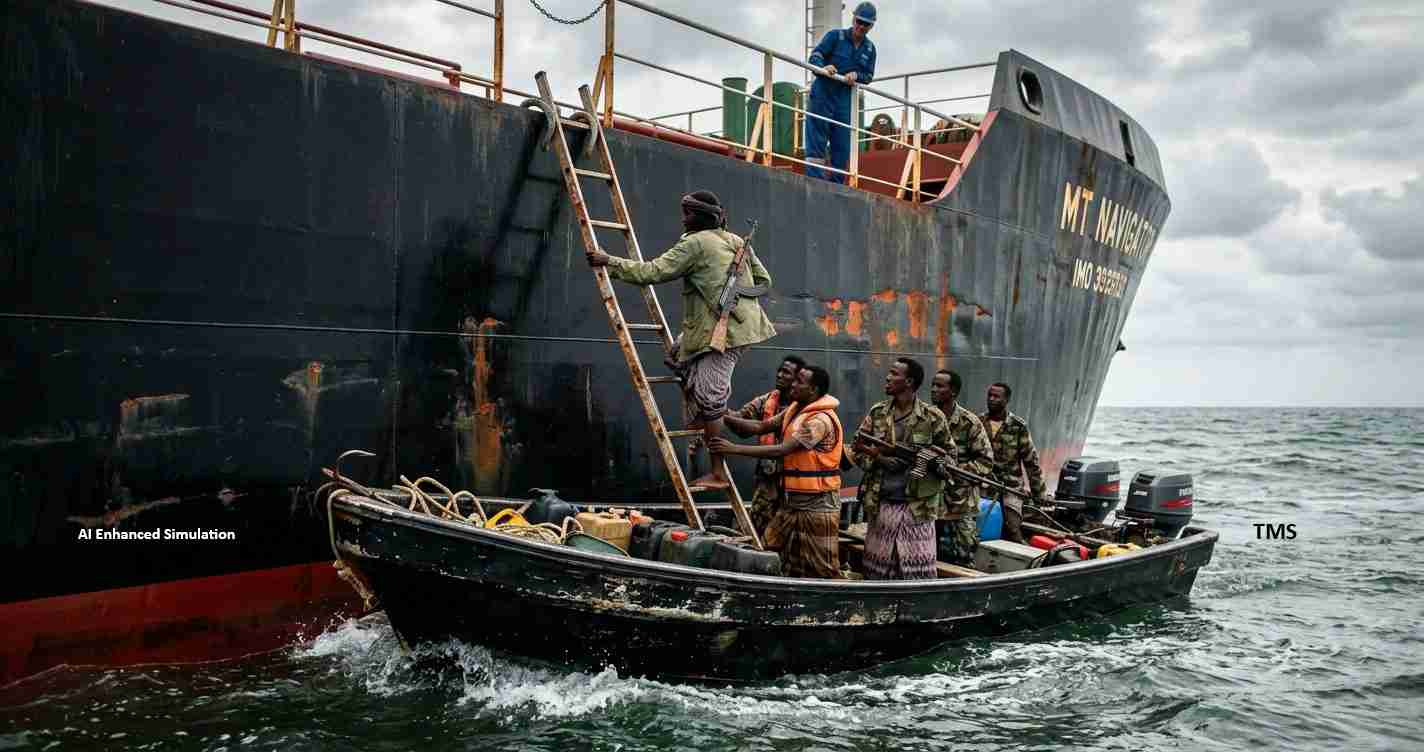
A sharp resurgence of Somali piracy, underscored by the May 2, 2026 hijacking of the MT Eureka off Yemen, points to a worrying transactional tie with Iran‑backed Houthis and a growing Red Sea security vacuum.
- MT Eureka hijacking: Seized off Shabwa on May 2, 2026; recovery efforts located the vessel, per Reuters and follow-up reporting.
- New collaboration: Analysts warn of a transactional partnership pairing Somali skiff crews and weapons with Houthi GPS, surveillance and cover (see Fox News).
- Risk escalation: Trackers upgraded waters off Somalia to “substantial” after multiple seizures beginning April 21, 2026 (see UKMTO, Windward AI).
The return of an old playbook
Background: Piracy off Somalia peaked from 2008–2013 and fell after multinational patrols and stronger ship defenses. Analysts now see the classic small‑boat, hostage‑for‑ransom “Somali model” reappearing — but upgraded.
Ido Shalev, chief operating officer at RTCOM Defense and a former Israeli naval officer, told reporters the MT Eureka case shows a revived Somali model with new capabilities: Houthis provide advanced GPS, surveillance and political cover, while Somali crews supply speed, skiffs and local maritime know‑how.
“They trade skills and access, then demand a single ransom for vessel, cargo and crew,” Shalev said, describing the relationship as transactional.
Shalev also noted that since late 2023 many naval assets were redeployed to counter Houthi missile and drone attacks in the Red Sea, creating patrol gaps off Somalia that opportunistic pirates are exploiting. He argued layered surveillance — not patrols alone — is needed to detect fast attack craft before strikes.
Recent incidents and risk signals
Beginning April 21, 2026, trackers logged at least three seizures in the Horn of Africa region: a Somali‑flagged fishing vessel, the Palau‑flagged tanker Honour 25 (IMO 1099735), and a general cargo ship later moved to Garacad anchorage. Risk ratings were raised to “substantial” by Windward AI and UKMTO.
The MT Eureka seizure, reported by Yemen’s coast guard and covered by Reuters, intensified urgency as the tanker was steered toward the Gulf of Aden and later located with recovery efforts underway.
Why the Red Sea matters now
The Red Sea and Horn of Africa sit on critical global trade and energy routes. Pressure on the Strait of Hormuz and threats there have pushed Saudi Arabia to reroute crude via the East‑West pipeline to Yanbu, turning the Red Sea into a corridor for high‑value oil shipments.
Analysts warn that with Brent crude near $115 a barrel this quarter, the high monetary value of cargo raises incentives for coordinated hijackings. The region handles roughly 12–15% of global trade, including oil and LNG, amplifying potential disruption.
Historical context and reappearance of tactics
A similar pattern briefly re-emerged in late 2023 amid wider regional tensions. Open‑source tracking and reporting indicate increases in piracy incidents and attempted attacks linked to the same small‑boat tactics, but now with better coordination and some access to modern navigation and surveillance tools (see Wikipedia, StreamlineFeed).
Costs to shipping and trade
Shipping firms are already paying higher insurance premiums and rerouting costs. Many vessels detour around the Cape of Good Hope, adding weeks to voyages and millions in fuel and operating expense. Those costs ripple into global supply chains and consumer prices.
Risk monitoring firms warn broader disruption if hijackings continue to cluster, affecting carriers, terminals and international trade flows (see Windward AI, UKMTO, Fox News).
Surveillance, not only patrols, say experts
Experts advocate a mix of layered surveillance systems, intelligence sharing and targeted naval presence to deter the new piracy model. Shalev pointed to Nigeria’s Falcon Eye program as an example where layered sensors and data fusion reduced attacks dramatically.
Without similar systems, distant naval assets risk remaining overstretched and fast skiffs will exploit gaps across vast sea areas. Background briefings and interviews emphasize data fusion and persistent monitoring as key defenses (see YouTube briefing).
Implications for California
Economic impact: California’s major ports — Los Angeles, Long Beach and Oakland — handle a huge share of U.S. imports. Sustained Red Sea disruption forcing reroutes or higher surcharges would raise costs, slow deliveries and increase prices for businesses and consumers.
Energy and fuel prices: Any sustained disruption that lifts Brent crude would add upward pressure on gasoline and diesel prices in California, affecting transportation, agriculture and manufacturing costs statewide.
Supply chains and jobs: Slower turnarounds and higher shipping fees may reduce terminal volumes, affecting port workers, trucking and warehouse employment.
Security and policy: Expect pressure on U.S. authorities for stronger sea‑lane protection, allied coordination and investment in maritime surveillance. California’s large military and industrial footprint gives the state a vested interest in stable trade routes.
Practical takeaways for residents: Monitor local price alerts, expect uneven shipping times, and follow government advisories if your work depends on international shipping or energy markets.
Sources and reporting
This article draws on reporting and analysis compiled from Fox News, Reuters, Windward AI, UKMTO, StreamlineFeed, and public background on piracy (see Wikipedia) and briefings (see YouTube).
Key references:
- Fox News reporting on Somali piracy and the Houthi link
- Reuters coverage (Yemen coast guard report on MT Eureka)
- Windward AI maritime risk assessments
- U.K. Maritime Trade Operations (UKMTO) notices and guidance
- Background on piracy off Somalia
- Regional reporting on renewed piracy (StreamlineFeed)
- Briefing material and interviews with analysts (YouTube)