Putin Calls Development of Russia’s Nuclear Triad an “Absolute Priority,” Raising Fears About Arms Race After New START Treaty Suspension
Russian President Vladimir Putin declared development of Russia’s nuclear triad an “absolute priority,” linking it to national security and the global balance of power — remarks that follow Moscow’s suspension of the New START Treaty and raise arms‑race concerns.
- Triad emphasized: Putin said land, sea and air delivery systems must be developed as an “absolute priority” to guarantee deterrence (Fox News; Kremlin).
- Treaty context: The remarks come after Russia suspended participation in the New START Treaty on Feb. 5, 2023, weakening formal U.S.–Russia arms control mechanisms (Fox News; PRIO).
- Doctrine shifts: Analysts note revisions that lower thresholds for nuclear use and broaden triggers, raising strategic stability questions (Carnegie Endowment).
- Local impacts: California’s defense, industry and civil preparedness could see ripple effects if U.S. policy and spending respond to renewed strategic competition.
Putin’s speech and the “nuclear triad” priority
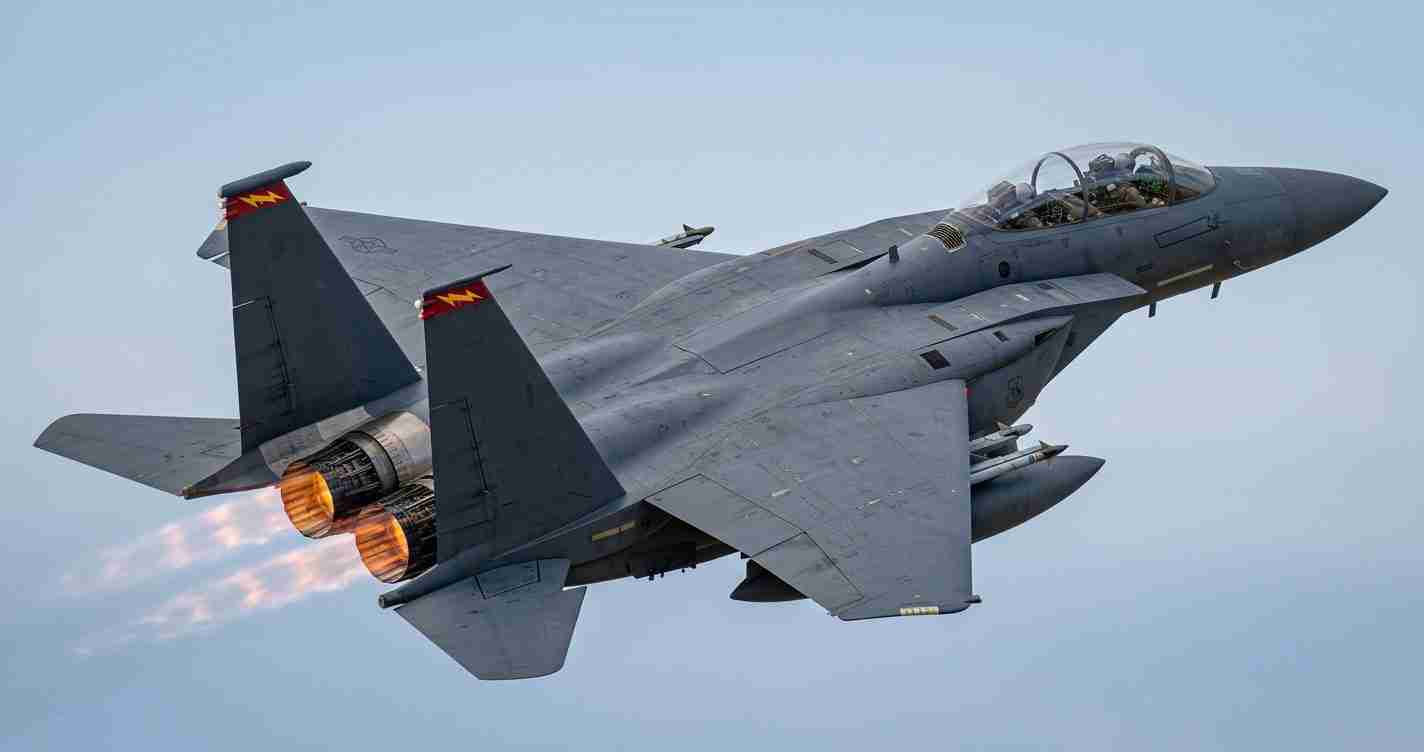
On Defender of the Fatherland Day, Putin presented awards to officers involved in the Ukraine campaign and outlined a clear priority: development of Russia’s nuclear triad — intercontinental ballistic missiles, submarine‑launched ballistic missiles and strategic bombers — to guarantee a credible second‑strike capability and preserve a global balance of forces. Reporting referenced Putin’s remarks (Fox News) and official Kremlin notes (Kremlin).
Putin said Moscow will speed up development of advanced systems and improve combat readiness, mobility and the ability of forces to operate in difficult conditions — explanations framed as lessons from the international situation and combat experience in Ukraine (Fox News; Kremlin).
Context: New START Treaty suspension and arms control
Russia suspended participation in the New START Treaty on Feb. 5, 2023 — the last major agreement limiting deployed strategic warheads and delivery systems between Moscow and Washington. Russian officials have at times suggested managing their arsenal responsibly or extending some limits, but the suspension has weakened formal verification and treaty mechanisms (Fox News; PRIO).
Experts warn that without firm treaty limits and verification, both sides could feel pressure to expand or modernize forces. Moscow states it seeks “necessary sufficiency” rather than an arms race, yet public statements and new systems development indicate a push to maintain strategic weight (Kremlin; PRIO).
Zelenskyy’s warning and the battlefield link
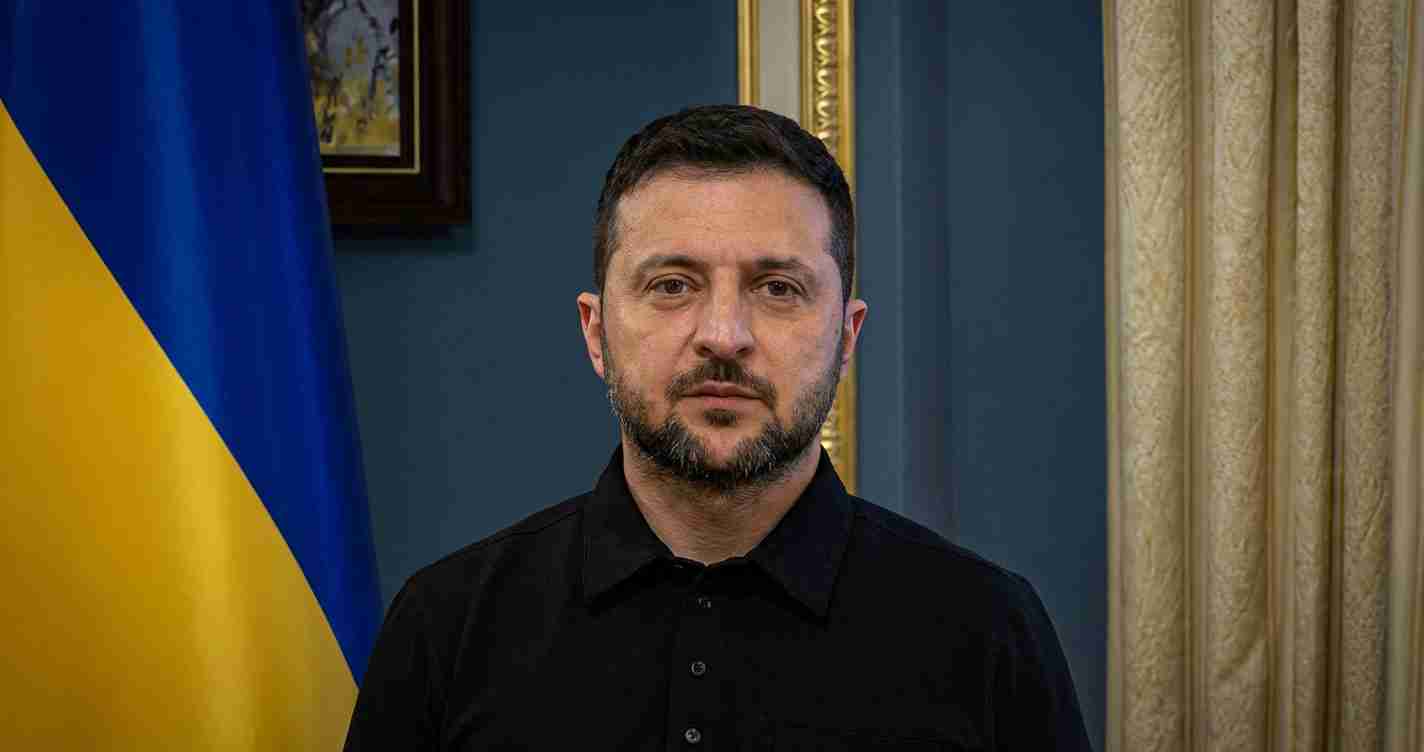
Ukrainian President Volodymyr Zelenskyy warned that Putin’s actions signal continued aggression beyond Ukraine, saying Moscow may rebuild forces for further aggression within a few years and urging the world to act while it is still possible (Fox News).
Putin’s explicit linking of nuclear forces to combat lessons in Ukraine underlines how the Russia‑Ukraine conflict is shaping Kremlin military planning. Use of advanced conventional weapons, hypersonic strikes and missile technology advances feed into strategic thinking about deterrence and force posture (Fox News).
Russia’s changing nuclear posture and doctrine
Beyond the Defender of the Fatherland Day speech, analysts point to deeper shifts. In September 2024, Putin revised nuclear doctrine to widen conditions under which Russia might use nuclear weapons, lowering thresholds to include scenarios Moscow deems a joint attack by a nuclear‑armed state or where conventional attacks critically threaten sovereignty (Carnegie Endowment).
Russian strategic drills and deployments, including exercises and moves to allied territories and development of new missile systems, accompany rhetoric that frames nuclear weapons as an “extreme” but available measure. The Kremlin presents these actions as defensive guarantees of sovereignty (Kremlin; PRIO).
What remains unclear
Key uncertainties include the pace at which Moscow will move from rhetoric to large‑scale deployments and how Western countries will respond. Proposals such as a possible one‑year extension of New START limits past February 2026 have drawn muted reaction from Washington, leaving a gap in predictable arms control cooperation (PRIO).
Implications for California
The developments have possible local effects across economic, military and civil preparedness domains in California:
Economic and industrial impact
California’s defense and aerospace sectors could see ripple effects if U.S. policy shifts toward higher spending on strategic deterrence and missile defense. Companies and research centers working on satellites, missile sensors and navigation systems may gain contracts, benefiting contractors, university labs and skilled workers in the Bay Area, Southern California and the Inland Empire.
Military posture and installations
California hosts key military and space assets tied to strategic deterrence. Vandenberg Space Force Base is a major launch and missile‑test site; naval bases in San Diego and Point Loma support Pacific Fleet operations, including submarines that are part of the U.S. sea‑based deterrent. Changes in patrol patterns or readiness could affect installations and local economies.
Security and civil preparedness
Rising tensions sharpen public debate about civil preparedness and emergency planning. Local governments and emergency managers may face renewed calls to review evacuation plans, public information systems and infrastructure resilience to reduce risk from cyberattacks or disruptions associated with higher‑level escalation.
Political and social consequences
Arms control and national security can become voter issues in California. Moderate conservatives may press for strong deterrence and defense budgets. Voters of Russian and Ukrainian heritage could push leaders to take public stances or provide humanitarian support for Ukraine. Universities and civic groups may expand discussions on arms control and nonproliferation.
Regional economic ties and trade
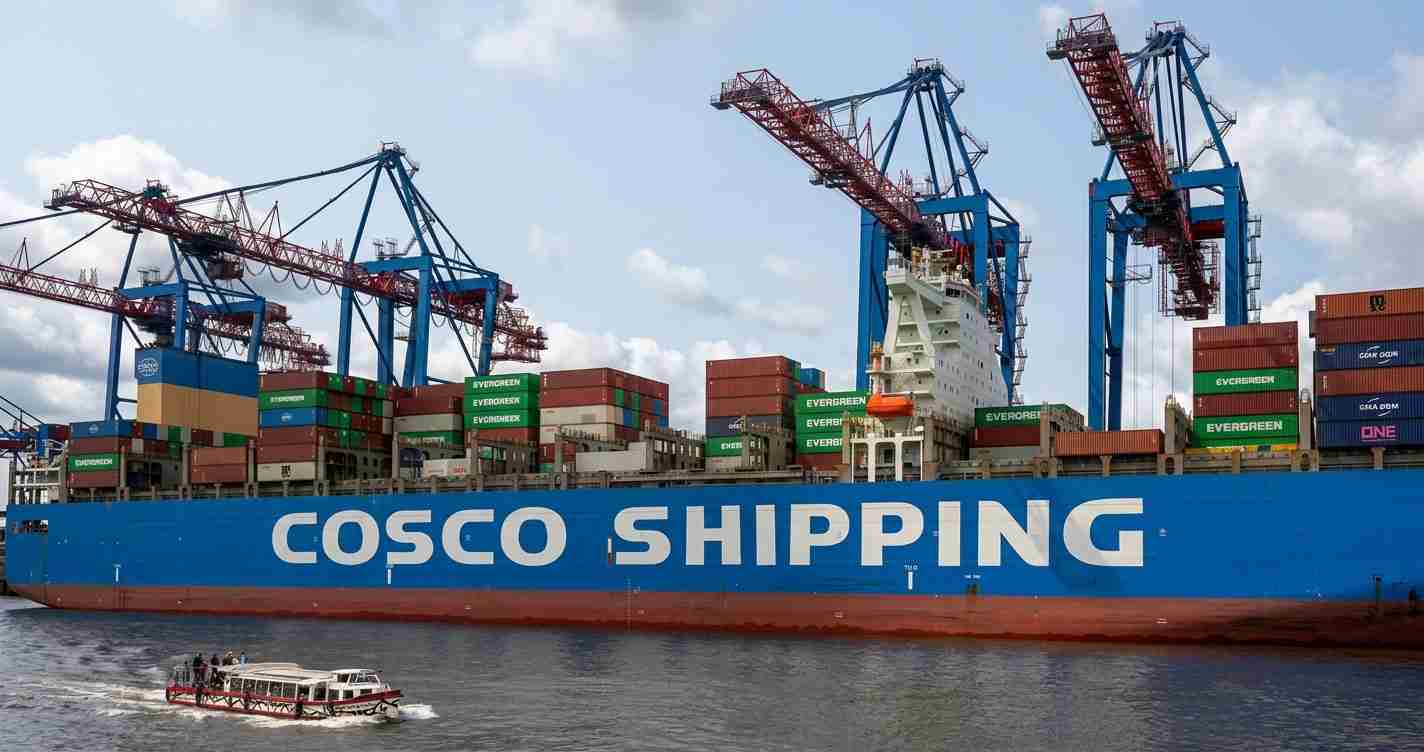
California’s trade ties could be affected if global tensions raise insurance costs for shipping or disrupt supply chains. Ports such as Los Angeles and Long Beach could see indirect impacts from a broader geopolitical slowdown affecting shipping, manufacturing and tech exports.
Practical steps for Californians
- Review emergency and evacuation plans at state and local levels.
- Encourage public awareness and resilience measures for critical infrastructure.
- Support research partnerships between universities, private industry and defense agencies on detection and defensive technologies.
- Balance investments in homeland defense with other priorities like wildfire response and infrastructure.
Sources and reporting
This article draws on official remarks and reporting: Kremlin’s official event summary; reporting from Fox News; analysis from the Carnegie Endowment; commentary from PRIO; and Russian foreign ministry material (Russian MFA).
Further reporting will be needed to track how quickly Russia moves from rhetoric to concrete changes and how U.S. policy and California’s defense and industrial base respond. The sources cited above provide the current public record and expert analysis as of the Defender of the Father of Day remarks.