Iran Army Chief Maj. Gen. Amir Hatami Threatens Preemptive Military Action, Cites U.S. “Locked and Loaded” Rhetoric
Iran’s Army Chief Maj. Gen. Amir Hatami warned of possible preemptive military action against the United States and Israel, citing escalating hostile rhetoric — including President Trump’s “locked and loaded” remarks — and vowing a decisive Iranian response.
Key takeaways
- Preemptive threat: Maj. Gen. Amir Hatami warned Tehran may carry out preemptive strikes if hostile rhetoric from the U.S. and Israel continues — reported by Military.com / AP and Euronews.
- Direct quote: Hatami said the Islamic Republic views intensified hostile rhetoric as a threat and vowed a “more decisive response.” (See CGTN, Press TV.)
- Domestic context: Hatami framed unrest at home as partly driven by foreign meddling while stressing Iran’s armed forces are more prepared than before the June 12‑day war.
- Local impact: Escalation could affect California via higher energy and shipping costs, political debates, and community responses among Iranian‑Americans.
Who Amir Hatami is and his role
Maj. Gen. Amir Hatami is the commander-in-chief of Iran’s regular army, the Artesh. He assumed the post after what Iranian authorities describe as the June 12‑day war, a conflict Tehran says included the killing of senior Iranian military officers. Hatami is notable as the first regular army officer in decades to occupy a national post long dominated by the Islamic Revolutionary Guard Corps (IRGC) (Military.com / AP; Euronews; The New Region).
Hatami’s warnings and direct quotes
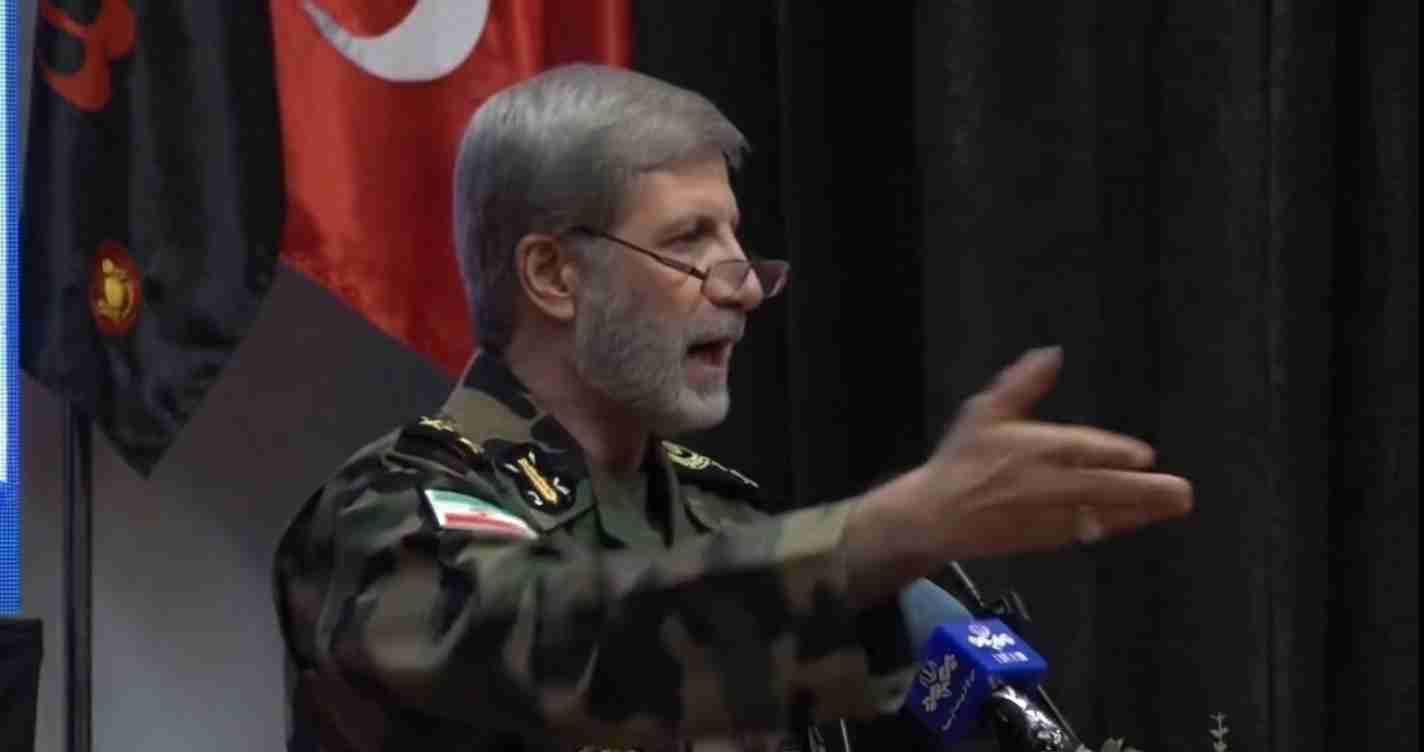
Speaking at an army command and staff university in Tehran, Hatami framed recent U.S. and Israeli statements as more than diplomatic talk. He declared:
“The Islamic Republic considers the intensification of such rhetoric against the Iranian nation as a threat and will not leave its continuation without a response.”
He added,
“I can say with confidence that today the readiness of Iran’s armed forces is far greater than before the war. If the enemy commits an error, it will face a more decisive response, and we will cut off the hand of any aggressor.”
These remarks were reported by Military.com / AP, Euronews, and Press TV.
Possibility of preemptive action and state media framing
Hatami raised the possibility that Iran could take preemptive military action if hostile language and perceived threats continue. State-aligned outlets framed the remarks as deterrence aimed at both Washington and Tel Aviv (Press TV; CGTN).
Context: June 12‑day war and claims of increased readiness
Iran refers to the June clashes as a 12‑day war, during which it says Israel killed several senior Iranian commanders and nuclear scientists and that the U.S. bombed sites at Natanz and Fordow. Iranian officials claim at least 1,064 people were killed and describe a response of waves of missiles and drones. Hatami says Iran’s armed forces have rebuilt and are far more prepared than before the conflict (Military.com / AP; Press TV; The New Region).
Economic crisis, protests and domestic pressure
Iran faces deep economic strain: the rial has sharply devalued, prices have surged, and sanctions have tightened pressure on livelihoods. Weeks of protests have followed, including demonstrations by shopkeepers and ordinary citizens. Iranian outlets report dozens killed and more than a thousand arrested, with figures varying by source (Press TV; The New Region; CGTN).
Hatami described the protests as “normal and natural” but said the shift to riots was “undoubtedly planned by the enemies,” accusing the U.S. and Israel of meddling and framing sanctions as aimed at harming ordinary Iranians. The government has sought to blunt unrest by announcing small monthly subsidies for staple foods (Press TV; Euronews).
Perceived dual threat from the U.S. and Israel
Iranian officials describe a dual threat from Washington and Tel Aviv, pointing to President Trump’s public warnings about U.S. readiness to protect protesters and to Israel’s role in the June conflict. Hatami and state media portray recent rhetoric and strikes as part of an effort by foreign powers to undermine Iran’s security and political system (Military.com / AP; Euronews; Press TV).
International backlash and diplomatic responses
The international community has expressed concern over Iran’s handling of demonstrators. Western governments and rights groups have criticized reports of deaths, injuries and mass arrests. Iran’s foreign ministry maintains the protests are an internal matter and rejects outside involvement. Iran commentators have cited President Trump’s raid capturing Nicolás Maduro as evidence of U.S. willingness to use force against allied leaders, which Tehran views as heightening vulnerability (The New Region; CGTN; Euronews).
Implications for California
Economic and security links mean renewed U.S.–Iran tensions could affect California in several ways:
- Economic ties: Disruption or escalation that raises oil prices would increase costs for consumers and businesses, squeezing household budgets and local supply chains.
- Political impact: Debate over national security and defense spending could intensify among California voters and policymakers.
- Humanitarian ties: The sizable Iranian‑American community may respond with protests, advocacy and demands for humanitarian or consular support.
- Budget and policy: Rising energy and transport costs could affect state budget planning and programs for low‑ and middle‑income households.
- Cyber and infrastructure risk: California’s tech and critical infrastructure sectors should monitor potential cyber threats linked to heightened tensions.
Practical advice: Residents and businesses should track official travel advisories, review contingency plans for supply‑chain disruptions, and prepare for possible fuel and food price volatility.
Reporting notes and sources
This article draws on reporting from multiple outlets. Full source links used in reporting include:
All original facts, information and URLs are preserved from the sources cited above. For further details and primary reporting, consult the linked sources directly.