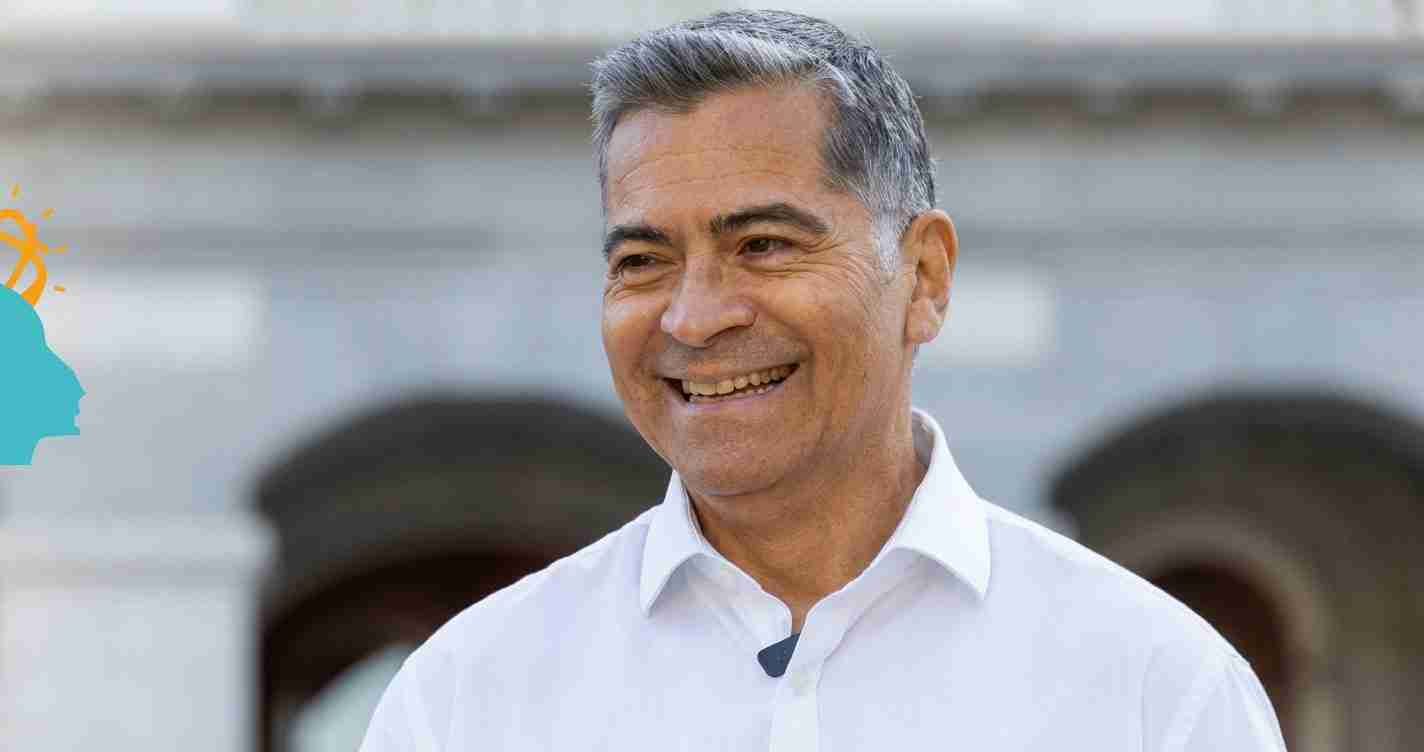
Becerra surges after Swalwell exit, faces fierce progressive backlash in tight California governor’s race
Xavier Becerra surged in California’s 2026 governor’s race after Eric Swalwell’s exit, becoming a leading Democratic contender while facing fierce progressive criticism over his record, corporate ties and policy positions ahead of the June 2 top‑two primary.
- Late jump in polls: Becerra moved from mid-single digits into contention after Eric Swalwell ended his campaign — an impact analyzed by CalMatters.
- Progressive backlash: Organizers criticize his immigration, corporate ties and tax positions and are circulating targeted attacks on his record.
- Fragmented field and timing: Multiple candidates poll in the teens, many voters are undecided, and mail ballots arrive weeks before the June 2 primary, compressing the window for defenses and attacks (tracking briefing).
Becerra’s late surge after Swalwell exit
Until early April, Becerra was a lower-tier candidate in a crowded Democratic field. After Eric Swalwell ended his campaign and resigned amid sexual assault allegations, Becerra’s support climbed quickly. In one tracking snapshot, his standing rose from about 4% on April 5 to roughly 13% later in the month, placing him atop the Democratic pack in some surveys (CalMatters).
Multiple polls now put Becerra near billionaire Tom Steyer for the lead among Democrats. An Independent Voter Project survey showed Becerra leading overall at 23% in a particular sample. The broader picture remains fluid: several candidates register in the high single digits or teens, and about a quarter of voters list themselves as undecided in some recent samples (polling briefing).
How progressives are pushing back
Becerra’s late move into contention has prompted a rapid reaction from the party’s left flank. Progressive leaders and activists who favor more confrontational, populist approaches to corporate power and tax policy see Becerra as too aligned with establishment interests. Amar Shergill, a former chair of the California Democratic Party’s progressive caucus, publicly dismissed Becerra as a “go-along Democrat,” arguing leaders prefer a governor who is “open for business with corporations.”
Progressive lines of attack being circulated against Becerra include:
- Immigration and unaccompanied children: Opponents replay clips questioning how he handled an influx of unaccompanied migrant children as HHS secretary to portray him as ill-prepared for humanitarian and border pressures.
- Corporate contributions: Critics flag campaign donations and ties to major companies such as Chevron to question whether he would stand up to corporate influence.
- Tax policy: Progressives highlight his past opposition to a union-backed billionaire tax as evidence he would not push steep wealth taxes.
- Single-payer questions: Activists probe whether his record satisfies litmus tests on Medicare for All or single-payer adoption.
Campaign and record: how Becerra is responding
The Becerra campaign leans into his long public service record and policy achievements. The campaign website catalogs his time as California attorney general — where he sued the Trump administration repeatedly and defended the Affordable Care Act, workers and Dreamers — and highlights his HHS tenure, where officials say he helped expand coverage and lower drug costs for millions.
His platform frames him as a pragmatic problem-solver focused on economic opportunity, rights and affordability. On health care, Becerra promises to strengthen Medi‑Cal, close racial and economic gaps and “build toward Medicare for All” while delivering affordable care without debt or delay. He emphasizes curbs on price gouging, expanded childcare, and using state tools to lower costs for Californians.
Democratic leadership and the crowded field
Party leaders express concern about the size of the Democratic field and the risk of a split vote. Democratic State Party Chairman Rusty Hicks warned there are “too many Democrats in the field,” echoing fears that fragmentation could help Republican candidates in California’s top‑two primary system (CalMatters).
High-profile Democratic figures in the race include Tom Steyer and Katie Porter; others include San Jose Mayor Matt Mahan, former Los Angeles Mayor Antonio Villaraigosa and state schools Superintendent Tony Thurmond. Some lower-polling candidates remain viable thanks to concentrated donor networks — for example, Silicon Valley backers funding a multimillion-dollar push to keep Mahan competitive.
Why the scramble matters now
Mail ballots begin arriving for many California voters in the weeks before the June 2 primary, compressing the window for opponents to define or redefine candidates. Progressives and rival Democrats are mounting rapid-response campaigns to circulate negative clips, emphasize corporate ties, and raise doubts about his progressive bona fides before early ballots are cast (CalMatters; poll briefing).
The top‑two primary system allows two candidates of the same party to advance to November, but fragmentation also creates a path for a Republican pair to capture the top spots if Democratic votes splinter.
Polling snapshot and volatility
Recent polling shows a highly fragmented contest. In some tracking surveys, Republicans like Steve Hilton and Sheriff Chad Bianco register in the mid‑teens while Democratic support is spread across multiple contenders. One independent poll placed Becerra at the top overall at 23% in a particular sample, but other trackers show tighter clusters and large undecided shares (CalMatters; video; tracking briefing).
Implications for California
Economic effects
If Becerra remains a frontrunner, businesses and investors will watch how he frames relations with the private sector. Progressives worry a Becerra administration would be more accommodating to corporations than a Steyer administration promising sharper tax increases for the wealthy — a dynamic that could affect business confidence across tech, energy and other industries (campaign filings and materials).
Political consequences
A Becerra rise would signal establishment strength in California and could damp momentum for combative progressive policies. Conversely, a successful progressive push to define him early could push him toward tougher rhetoric or policy stances. The top‑two system means vote splitting remains a real concern; a crowded left could inadvertently help Republican candidates in November.
Social and community impact
Immigrant communities and advocates will scrutinize debates over Becerra’s record on unaccompanied children and border policy. Those discussions could shape turnout among Latino voters and other communities, making outreach a vital early‑voting battleground.
Cultural relevance and daily life
Voters focused on affordability, health care and everyday costs will weigh Becerra’s HHS record and his pledges to lower drug prices and expand childcare. Messaging that ties his record to concrete household savings could blunt progressive attacks on corporate ties and tax positions.
Practical applications for voters
With mail ballots arriving soon, voters should seek fact-checked materials on candidates’ records and funding, especially on health coverage, housing, taxes and local business regulation. Local party groups, unions and community organizations will play an outsized role informing members before the primary deadline.