Chevron refinery fire in El Segundo raises alarm over California fuel supply and possible gas price spikes
A fire at Chevron’s El Segundo refinery — the largest on the U.S. West Coast — was quickly contained, but officials and analysts warn even limited damage could strain California’s fuel supply and push short-term gas price increases across the state.
Key takeaways
- Major regional source: Chevron’s El Segundo complex processes about 276,000 barrels per day, supplying roughly 20% of California’s gasoline and 40% of its jet fuel — CBS News.
- Incident contained: The fire began late Oct. 3, 2025, was contained to the plant’s southeast corner and was declared extinguished the following morning; initial damage appears limited and focused on jet-fuel operations — ABC7, ABC30.
- Price risk: Analysts estimate short-term retail gasoline increases of 5–20 cents per gallon, with one model projecting about 13 cents per week for each week the facility remains offline — Desert Sun, CBS News.
What happened at the El Segundo refinery
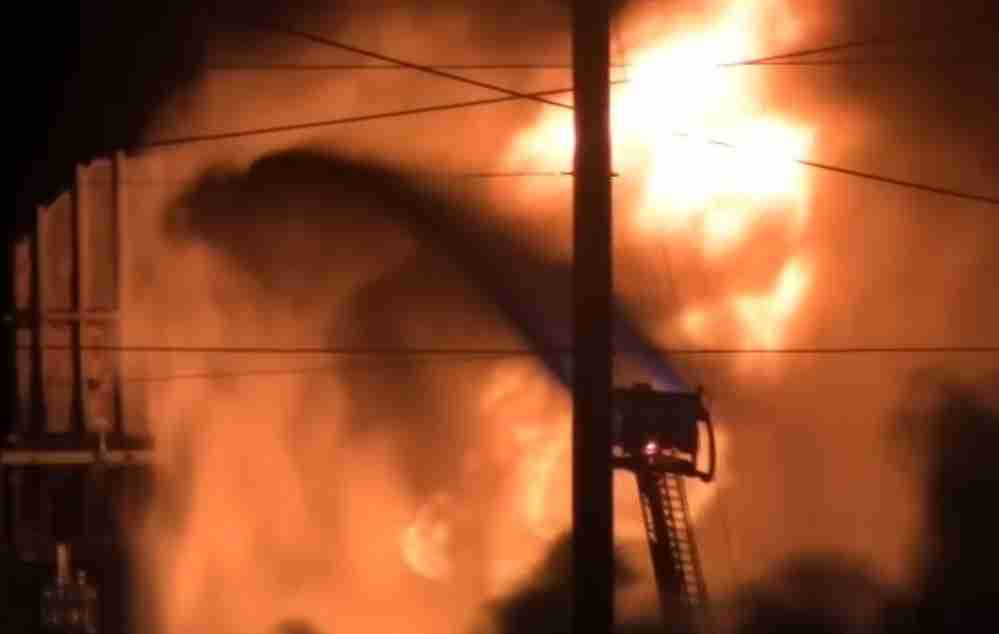
The fire began late on Oct. 3, 2025. Chevron emergency crews fought the flames through the night and reported the blaze was contained to the facility’s southeast corner, with company statements and early local reporting indicating no workers injured and no public threats identified — ABC30, ABC7.
Chevron’s El Segundo complex refines crude into finished fuels and aviation fuel used across Southern California and the broader state. Although officials say the affected area was largely the jet-fuel operations, the plant’s units are interconnected; even small outages can ripple through operations and require extended inspections and repairs — CBS News.
Why the fire could affect California gas prices and fuel supply
California relies heavily on in-state refining capacity and enforces strict fuel standards that limit outside supply substitutions. When a major plant like El Segundo is disrupted, other refineries must absorb the shortfall — if they have spare capacity — or the state must arrange imports, which are time-consuming and costly.
Importing refined products poses logistical hurdles: tankers, schedules, approvals and fuel-spec adjustments for California’s clean-fuel rules. Jet fuel shortages are especially urgent; USC Professor Shon Hiatt warned:
“We are in a situation where, without getting refined fuels coming in from a tanker very soon, we could draw down all of our stocks and have a massive scarcity that could prevent flights from taking off.”
— CBS News.
Price projections from AAA and academic models estimate short-term retail price bumps of 5–20 cents per gallon; one cited analysis suggests roughly 13 cents per week for each week El Segundo remains offline. Actual movements depend on damage assessments, repair speed, and the ability of nearby refineries to boost output — ABC7, ABC30, CBS News.
Supply chain and regional ripple effects
Because El Segundo supplies much of California and parts of the West Coast, disruptions can extend beyond state lines. Markets as far north as Vancouver, British Columbia, could feel effects if refined products and distribution flows originating from California are constrained — ABC7.
A prolonged outage would likely force emergency imports and raise transportation and wholesale costs, which commonly filter down to retail prices. Businesses reliant on fuel — trucking, logistics, delivery services, food trucks and airlines — could face higher operating costs that may reach consumers as increased fees, fares or food prices — ABC30.
Experts and frontline voices
Jim Price, a former refinery operator, told reporters:
“People don’t realize just how much of an impact that is until you actually lose the product.”
His comment underscores the vulnerability of a system concentrated in a few large, interconnected refineries — ABC30.
Academic experts emphasize the tight margin for error. USC’s Shon Hiatt again warned about rapid stock drawdowns without replacement shipments, with potential impacts on flights and broader transportation networks — CBS News.
State-level factors that increase risk
California’s refining capacity is shrinking: several refineries are scheduled to close in coming months, reducing redundancy. That makes any interruption at a major plant more consequential, since fewer in-state options exist to shift production quickly — CBS News.
Additionally, the state’s clean-fuel regulations limit the types of gasoline that can be sold at pumps. Suppliers from outside California cannot always meet those standards without time-consuming adjustments, complicating emergency imports and raising costs — CBS News.
Implications for California
Economic: A temporary rise in retail gas prices is likely if the refinery’s output remains reduced for more than a few days. Estimates range from 5 to 20 cents per gallon, with potential for larger increases if repairs take longer — CBS News, ABC7.
Political: State leaders may face pressure to balance energy security and regulatory flexibility during emergencies, potentially pressing for rapid inspections, expedited repair permits, and temporary easing of fuel standards to allow imports.
Social: Commuters and low-income households, who spend a larger share of income on fuel, could feel immediate strain. If jet-fuel tightness forces cancellations or higher airfares, travel-dependent families and workers will be directly affected.
Cultural relevance: The incident highlights the tension between California’s environmental priorities and the vulnerability created by a small number of complex refineries — a trade-off likely to shape local debates about energy policy and infrastructure investment.
Practical applications
- For drivers: Monitor local pump prices, combine trips, carpool, or use public transit where available.
- For businesses: Review fuel contracts and contingency plans; consider temporary operational adjustments to limit fuel exposure.
- For officials: Coordinate with refineries and federal agencies to speed inspections and, if needed, secure emergency imports to stabilize supplies.
Ongoing uncertainty and what to watch next
As of Oct. 4, 2025, officials reported the fire extinguished and initial damage limited. The critical question remains how long inspections and repairs will take and whether interconnected units will remain offline for days or weeks. Watch for updates from Chevron, state regulators, and market traders for signals on repair timelines and supply adjustments — ABC30, CBS News.
Sources
- CBS News — How the Chevron refinery fire in El Segundo could affect California gas prices
- ABC7 — How will El Segundo Chevron refinery explosion, fire impact California gas prices?
- ABC30 — Chevron refinery fire in El Segundo raises concerns about gas prices in Central California
- Desert Sun — Chevron El Segundo refinery fire California gas price impact