Ivanpah Solar Power Facility: Mojave Desert Plant’s Bird Deaths, Gas Use and Taxpayer Costs Draw Scrutiny
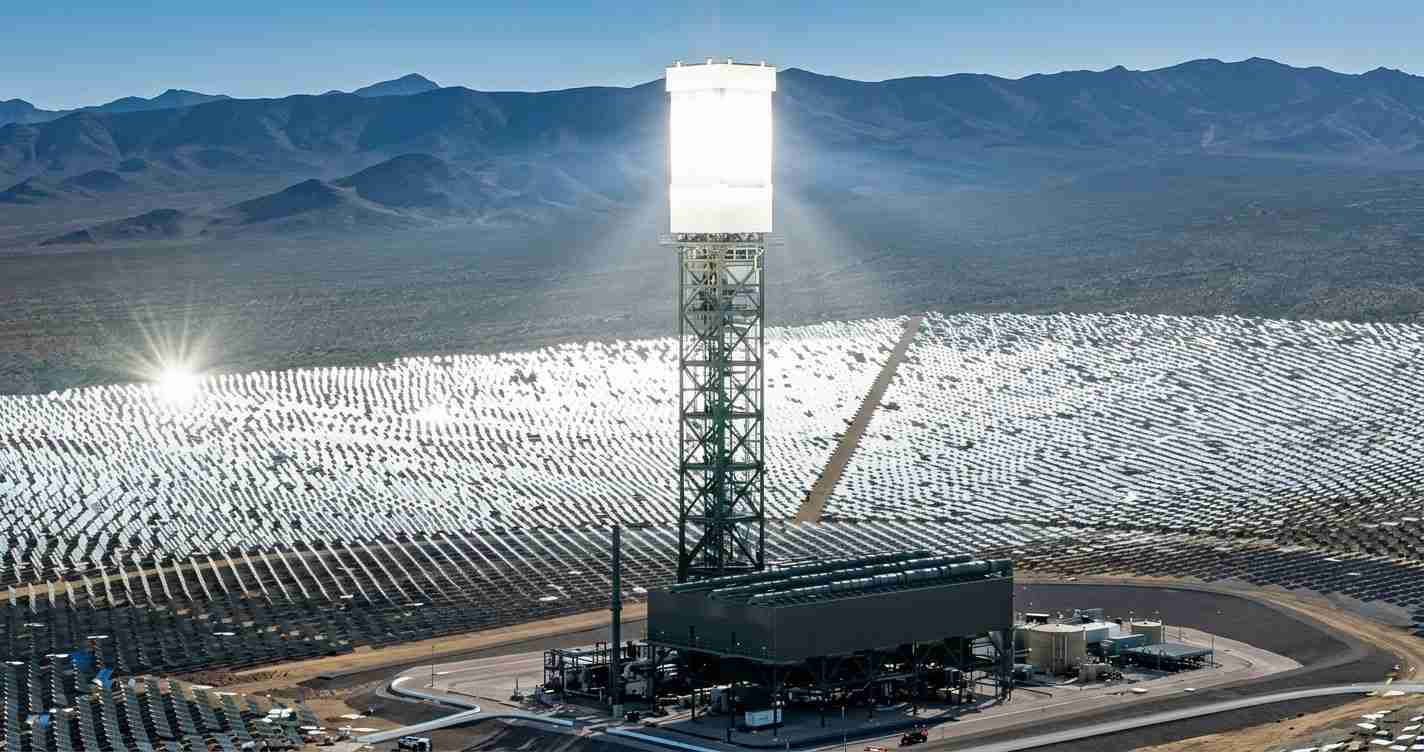
Opened in 2014, the Ivanpah Solar Electric Generating System in the Mojave Desert is a large concentrated solar‑thermal plant — hailed for renewable capacity but criticized for bird fatalities, morning natural‑gas use and significant taxpayer‑backed costs.
- Massive concentrated-solar design: Ivanpah uses roughly 173,500 heliostats and a gross capacity of 392 megawatts.
- Wildlife harm: Federal monitoring has documented thousands of bird deaths tied to concentrated “solar flux.”
- Operational emissions and costs: Daily thermal startups use natural gas, emitting tens of thousands of metric tons of CO2 annually and raising questions about lifecycle benefits and taxpayer exposure.
Facility design and capacity
Ivanpah is a concentrated solar thermal facility. Hundreds of thousands of flat mirrors, called heliostats, track the sun and reflect light to receivers atop three central towers. The captured heat — reported to reach roughly 550–565°C — converts water to steam that drives conventional turbines.
The plant’s towers stand about 450–459 feet tall. Together the site has a rated gross capacity of about 392 megawatts and has been described as able to power roughly 140,000 homes in a year under ideal conditions. Ivanpah opened in 2014 after construction backed by federal support, including $1.6 billion in Department of Energy loan guarantees and a $539 million U.S. Treasury grant.
Wildlife impacts and the solar flux problem
One persistent controversy involves wildlife. Bright towers attract insects and birds; when birds fly into concentrated beams — called solar flux — they can be injured or killed. Monitoring reports and federal researchers have documented thousands of bird deaths associated with Ivanpah since operations began.
“Some birds show singeing or internal damage after passing through hot columns of air near the receivers.”
Environmental groups and scientists have called the phenomenon troubling, noting injuries are sometimes subtle and that renewable projects can still involve difficult ecological trade-offs.
Operational emissions and natural gas reliance
Ivanpah’s steam-turbine approach requires a thermal startup each morning. Operators use natural gas to bring the system to operating temperature, producing tens of thousands of metric tons of CO2 per year from gas use. Critics say that daily gas burn offsets some emissions benefits of solar generation.
Supporters respond that, over its expected lifetime, Ivanpah is projected to avoid millions of tons of CO2 compared with fossil fuel generation — a lifecycle claim often cited in technical studies — though the daily startup emissions and costs remain contentious.
Economic questions and taxpayer exposure
Ivanpah was billed as a landmark large-scale solar project, but performance and cost issues emerged after opening. The plant initially struggled to meet contract expectations and relied more heavily on natural gas than planned. Operators later said performance improved, and by 2017 the facility met certain long-term delivery goals.
However, regulators and some federal officials have questioned the plant’s high electricity costs relative to falling photovoltaic and battery prices. Reports indicate that officials at times supported closing the plant, and in early 2025 a plan to close two of the plant’s three units for 2026 was announced, though the California Public Utilities Commission later reversed course.
Taxpayer exposure is central to debate: with more than $1.6 billion in federal loan guarantees and a $539 million Treasury grant, critics question accountability when public funds back projects that may be outcompeted by newer technologies.
Regulatory choices and grid reliability
California regulators have balanced environmental and economic costs against grid reliability. The California Public Utilities Commission has declined to force a shutdown, saying Ivanpah still supports evening and ramping needs on the grid; proponents warn retiring central-station capacity without replacements could risk strain during specific conditions.
Critics counter that distributed solar, utility-scale photovoltaics and battery storage could meet grid needs more cleanly and cheaply, underscoring the trade-offs regulators face between environmental protection, cost control and reliable power delivery.
Implications for California
Economic impact: Ivanpah’s operating costs and federal backing raise questions about future state and federal investments in large-scale technologies. Continued operation preserves local jobs but may leave residents exposed through rates, planning costs or federal loan obligations.
Political consequences: Decisions over Ivanpah carry political weight, influencing permitting, funding and oversight of federally backed renewable projects as regulators juggle wildlife protection, grid needs and climate goals.
Social and cultural effects: Documented bird deaths put conservationists on alert, while the Mojave landscape and indigenous concerns amplify cultural stakes. Ivanpah’s glowing towers have become a symbol in debates over where and how to build renewables.
Practical lessons: Policymakers and planners may favor photovoltaic plus storage systems that avoid thermal startup emissions and large wildlife attractions. Siting rules and mitigation measures for large projects are likely to be reconsidered in light of Ivanpah’s experience (Stanford lifecycle analysis).