El Mencho killed in Tapalpa, Jalisco; CJNG leader dead after Mexican military operation
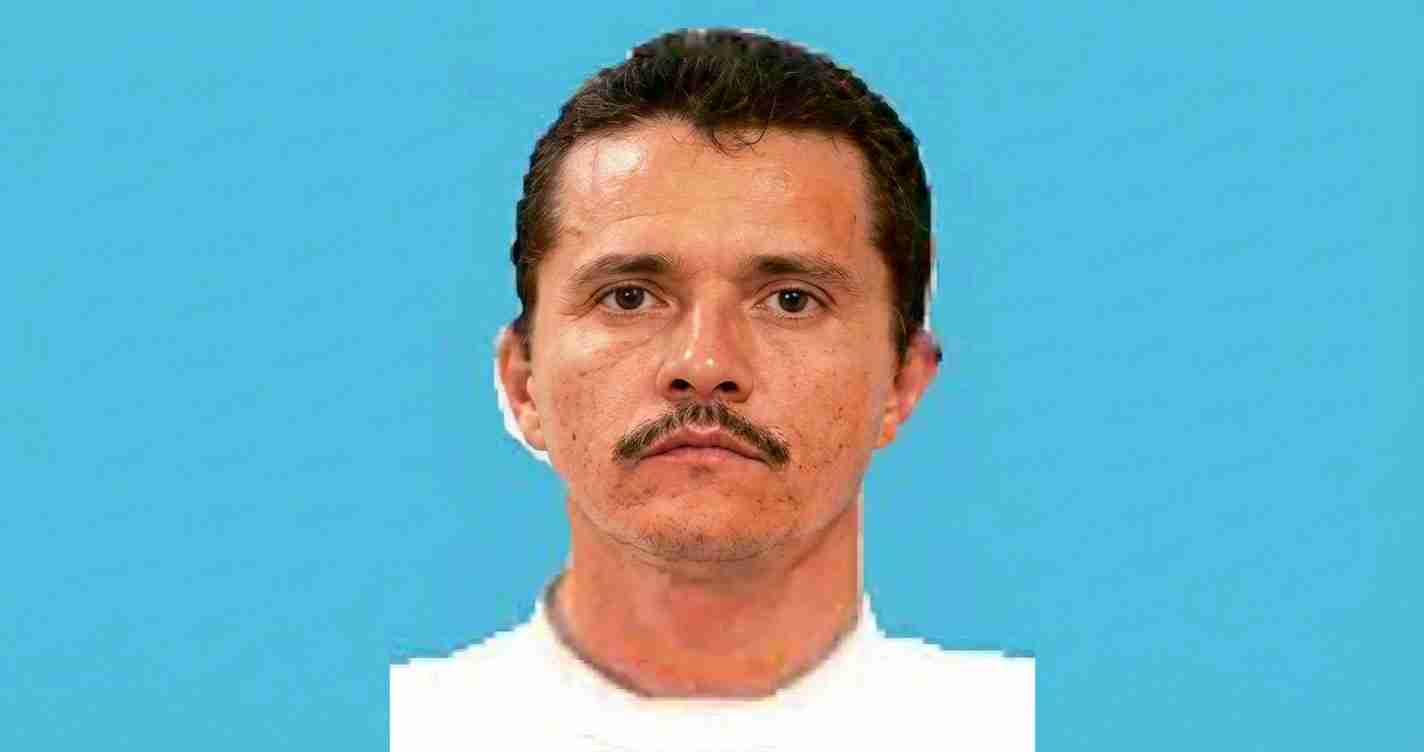
Nemesio Rubén Oseguera Cervantes, “El Mencho,” leader of the Cartel Jalisco Nueva Generación, was killed Feb. 22, 2026, during a Mexican military operation in Tapalpa, Jalisco, authorities said, prompting nationwide unrest and security alerts and concerns about retaliation.
- Major takedown: Mexican forces killed El Mencho during an operation in Tapalpa, Jalisco.
- Casualties and seizures: Several cartel operatives were killed, two detained, weapons and armored vehicles seized.
- U.S. cooperation: Mexican authorities said the raid used complementary U.S. intelligence.
- Aftermath: Widespread unrest, roadblocks and shelter-in-place advisories followed across many Mexican states.
Operation and casualty details
Early-morning raid, heavy fighting and medical evacuation.
Mexican troops moved on a rural target in Tapalpa early Sunday morning and engaged in heavy fighting. The Defense Department said El Mencho suffered fatal wounds and died while being airlifted to Mexico City for treatment.
Authorities reported that six cartel operatives were killed and two were detained, and that security forces seized armored vehicles and heavy weapons, including rocket launchers. Mexican officials said those weapons have been used in past years to counter helicopter operations.
Three Mexican soldiers were treated for injuries sustained during the raid — official reports said. Reports vary slightly on timings and totals, but the Defense Department confirmed the fatal wounding and subsequent death in transit to Mexico City.
“The operation removed a central figure in one of the most violent and capable criminal organizations in Mexico,” officials said.
Rise of CJNG and the reach of El Mencho
El Mencho rose from small-time dealer and a 1992 arrest in San Francisco to lead the Cartel Jalisco Nueva Generación, transforming it over roughly 15 years from a regional group into a transnational trafficking network. The Los Angeles Times reported that CJNG now traffics fentanyl and other drugs to the United States and is accused of extortion, fuel theft and violent attacks on rivals and security forces.
U.S. authorities offered a $15 million reward for his capture or conviction. CJNG has been linked to sophisticated tactics — armored convoys, drones and heavy-caliber weapons — and was blamed for downing a Mexican military helicopter in 2015 that killed nine service members.
U.S. role and diplomatic reactions
Mexico’s Defense Department said the Tapalpa operation was conducted with bilateral coordination and used complementary U.S. intelligence to help locate the target.
Reaction from U.S. officials: Christopher Landau, U.S. Deputy Secretary of State, posted on X that he had been informed El Mencho was killed and called it “a great development for Mexico, the US, Latin America, and the world,” while also warning of likely violent retaliation and urging continued resolve — as reported.
Immediate aftermath: unrest and security alerts
The killing produced immediate unrest: roadblocks, burning vehicles and clashes were reported in Jalisco and in at least a dozen other states, according to officials and local media. The incidents included damage to some branches of the state-run Banco del Bienestar and organized attempts at disruption across highways and towns (Los Angeles Times; Fox News).
Jalisco’s governor declared a Code Red and urged residents to shelter in place while reinforcements from the National Guard and Army were dispatched. The U.S. Embassy in Mexico issued shelter-in-place advisories for multiple states, urging U.S. citizens to stay home and follow local security guidance.
Family, prosecutions and past arrests
Key family members of El Mencho have faced prosecutions in recent years. His son, Rubén Oseguera González (“El Menchito”), was captured in 2020 and later extradited to the United States, where he was convicted in 2024 and is serving a life sentence in Colorado. His daughter, Jessica Johanna Oseguera González, pleaded guilty in 2022 to money-laundering charges under the Kingpin Act and was released after serving more than two years, according to reporting by the Los Angeles Times.
The announcement follows years of false reports about his death or capture, though recent arrests of key associates had signaled authorities were closing in on the network.
Implications for California
Drug supply and public health: CJNG has been identified as a major supplier of fentanyl entering the United States. The death of El Mencho may disrupt some supply lines short-term, but experts caution other factions may fill demand. Public health and law enforcement should prepare for shifts in trafficking methods, localized changes in drug availability and potential changes in overdose patterns.
Border and law enforcement cooperation: The operation highlights ongoing U.S.-Mexico intelligence sharing. California agencies working with federal partners may see increased coordination, requests for tactical support, or new information-sharing as investigations adapt to CJNG leadership disruption.
Migration, travel and safety: Shelter-in-place advisories affected regions popular with California tourists and residents. Californians traveling to Mexico should monitor updates and consider postponing nonessential trips until security stabilizes.
Crime, retaliation and political impact: Retaliatory violence often follows the fall of a cartel leader. While immediate in-state danger is low, California could face indirect effects — increased trafficking attempts, money-laundering activity, or pressure on ports and transportation routes. For many readers, the takedown will be viewed as a law-and-order success aided by bilateral cooperation, but it also raises questions about long-term strategy and demand reduction.
Community and emergency planning: Public health agencies, first responders, schools and hospitals should reinforce prevention, treatment messaging and rapid-response capacity for potential spikes in overdoses or changes in drug distribution.
Sources
(Reporting from Tapalpa, Mexico. Additional reporting and source aggregation from Times Media Service.)