Iran schedules hanging of protester Erfan Soltani in what rights groups call first execution tied to anti-regime protests
Iranian authorities scheduled the execution of 26-year-old protester Erfan Soltani for January 14, 2026, prompting urgent international appeals from human rights groups who say his fast-tracked trial lacked due process and immediate calls for intervention.
- Execution date set: Erfan Soltani, 26, reportedly scheduled to be hanged on January 14, 2026.
- Due process concerns: Rights groups say the trial was expedited, with limited legal access and opaque proceedings.
- Rights groups call for action: Iran Human Rights, NUFD and Hengaw urge immediate international pressure and independent review.
Arrest, fast-tracked trial and family visits
What happened: Rights organizations report Soltani was arrested on January 8, 2026, at his home in Fardis near Karaj. According to monitors, he was moved rapidly through the judicial process and reportedly convicted of “waging war against God,” a capital offense under Iranian law.
Family access: IHRNGO and NUFD say family members were allowed a brief final visit after being notified of the death sentence, and that Soltani had limited or no access to legal counsel. Details of the charges and the trial were reportedly not shared with his family.
Sources cited in these accounts include Iran Human Rights (IHRNGO), NDTV reporting and the Hengaw Organization for Human Rights.
Due process concerns and rights-group warnings
Human-rights perspective: Monitors describe the trial as opaque and expedited. The National Union for Democracy in Iran (NUFD) stated Soltani’s “only crime was calling for freedom for Iran,” urging international actors to intervene.
IHRNGO warned that possible executions tied to protest suppression could amount to “crimes against humanity” if carried out as part of a campaign targeting demonstrators.
Context: the wider anti-regime protests
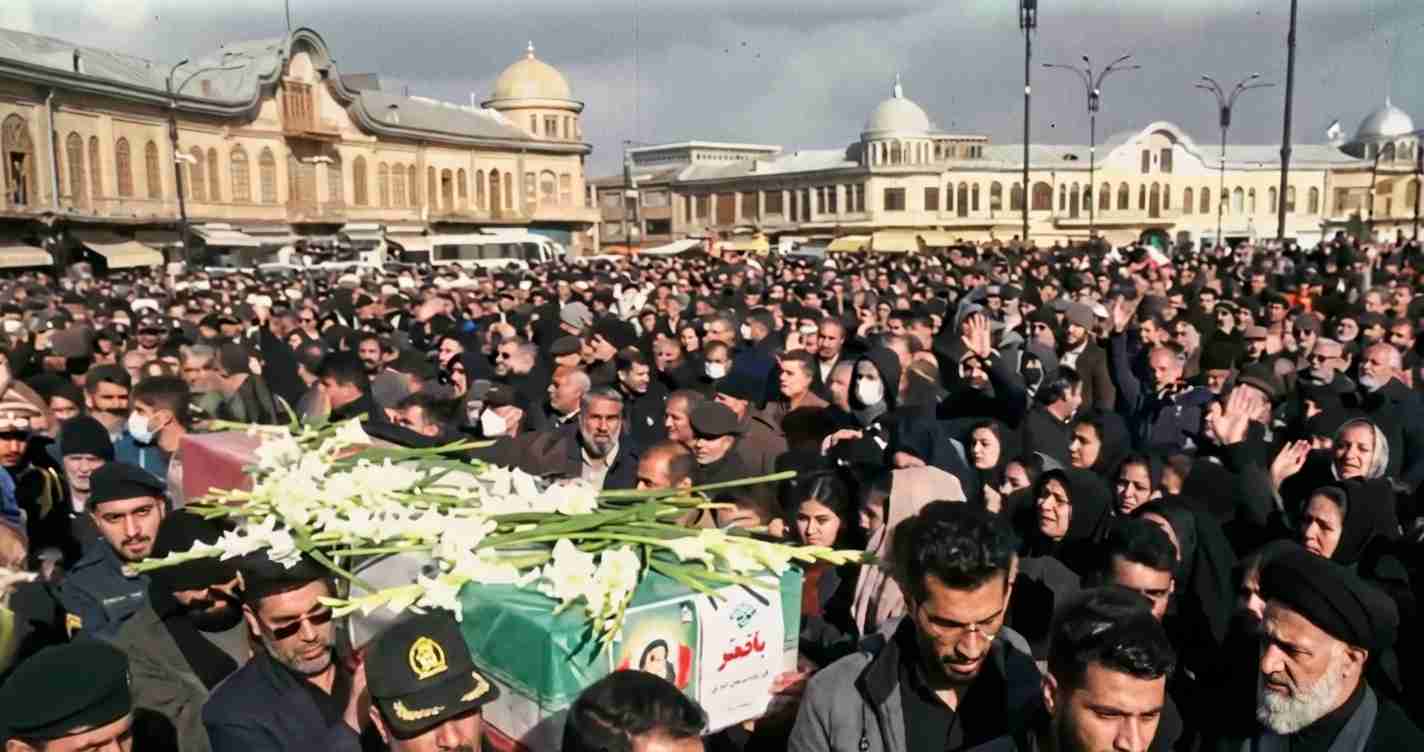
The protests began in late December 2025, fueled by rising economic hardship and public anger over governance. Rights groups estimate hundreds to thousands of casualties and report roughly about 10,000 arrests across Iran. IHRNGO has reported at least 648 deaths, including minors; activist networks cite higher, unverified totals.
A government-imposed communications blackout has complicated independent verification and reporting on the ground.
Government framing and security posture
State officials have framed the unrest as fueled by hostile foreign actors and criminal elements. Supreme Leader Ayatollah Ali Khamenei has publicly praised pro-regime rallies and described a multi-front challenge being met with a stringent security response, coinciding with reported restrictions on media and internet access.
International reaction and calls for intervention
NUFD, IHRNGO and Hengaw are calling on governments and human-rights bodies to pressure Tehran to halt Soltani’s execution and to initiate independent investigations. The NUFD urged supporters on social platforms to “be his voice and work to save him.”
Some media reports suggested senior U.S. officials were weighing possible responses to the unrest — including cyber measures or targeted pressure — a claim that remains part of an evolving diplomatic debate.
Verification limits and cautious reporting
Reporters and rights groups emphasize that independent verification inside Iran is constrained by communications blackouts and tight controls. Multiple activist and NGO accounts broadly align on key facts in Soltani’s case, but court records and official documents have not been made public.
Civil society campaigns and networks
Local and international campaigns—coordinated by groups including IHRNGO, NUFD and Hengaw—are amplifying petitions and social-media appeals.
A Change.org petition titled “Every Second Counts: Halt the Execution of Erfan Soltani” gathered signatures as part of efforts to mobilize public pressure and diplomatic intervention.
Implications for California
Humanitarian ties: California’s large Iranian diaspora and numerous institutions engaged in human-rights work may amplify calls for consular access, legal aid and public statements from elected officials.
Policy debate: Lawmakers could face pressure to consider targeted sanctions, visa restrictions or other diplomatic measures — prompting debate about effectiveness and risks of escalation.
Community response: NGOs, faith groups and university law clinics in California may be called on to assist with legal affidavits, asylum preparation and documentation of abuses.
Source list (for hyperlinking and verification)
- NDTV reporting
- Hengaw Organization for Human Rights
- Iran Human Rights (IHRNGO)
- Fox News report
- Change.org petition
- Video report 1 and Video report 2
Note: Reporting here is based on accounts from human-rights organizations and media sources cited above. Independent on-the-ground verification in Iran remains limited due to reported communications restrictions and government controls on information.