Satellite images show Iran fortifying nuclear sites, rebuilding after strikes while talks continue
Satellite imagery shows Iran rebuilding and fortifying nuclear and military sites — including Isfahan, Natanz and Parchin — and repairing missile bases, steps that complicate strikes and raise concerns amid ongoing talks with the U.S. Trump administration.
Key takeaways
- Visible reconstruction: Commercial imagery shows earthworks, heavy equipment and structural repairs at Isfahan, Natanz and Parchin.
- Hardening measures: Analysts report buried tunnel entrances and added protective layers to blunt airstrikes and frustrate raids.
- Missile site repairs: Shiraz South and a base near Qom show command and logistics reconstruction after June 2025 strikes.
- Diplomatic friction: Fortification activity occurs while Iran negotiates with the Trump administration, raising questions about intent and leverage.
Fortifying Iran’s nuclear sites: the satellite evidence
Commercial satellite imagery reviewed by analysts shows visible reconstruction and fortification at multiple sites tied to Iran’s nuclear and military programs. At the Isfahan uranium enrichment complex analysts say all three tunnel entrances were buried with soil as of Feb. 10. Backfilling entrances is a defensive step that can reduce the effects of aerial attack and make it harder for special forces to seize or destroy material stored underground. (Source: Times of Israel)
At Natanz, imagery shows ongoing activity across the site known as Pickaxe Mountain (Kolang-Gaz La Mountain). Analysts reported movement of dump trucks, cement mixers and heavy equipment around tunnel entrances and other underground structures. Those earthworks and construction patterns match measures to harden facilities against strikes, according to imagery specialists. (Source: Times of Israel live blog)
Planet Labs and other Earth intelligence monitors released images that also indicate reconstruction activity at Isfahan following the U.S. strikes. Analysts who reviewed the imagery said the activity is consistent with an effort to bury and disguise entrances and to add layers of protection around sensitive underground spaces. (Source: i24NEWS)
Parchin and missile bases: wider rebuilding across military sites
The Parchin military complex, about 30 kilometers southeast of Tehran, shows visible reconstruction after strikes reported in October 2024. Satellite images from Oct. 12, 2025, reveal the framework of a new structure with a metallic roof. Analysts say dirt or other coverings may be used to hide the color and type of construction from overhead imagery. Some experts suggest the new structure could be a high-explosives containment vessel — a facility relevant to conventional munitions and to components of nuclear weapons development. (Sources: Times of Israel; i24NEWS)
In addition to nuclear sites, imagery shows repairs to missile bases damaged during the June 2025 conflict. The Shiraz South missile base and a base near Qom have seen reconstruction of command and logistics structures. Analysts note these repairs do not necessarily mean full operational capacity has been restored, but they do indicate Iran is taking steps to recover and harden its missile infrastructure. (Source: i24NEWS)
Expert analysis and opposition warnings
Technical analysts have warned that backfilling and adding thick layers of soil or concrete over tunnel entrances can significantly blunt the effect of air-delivered munitions and make covert ground access nearly impossible. The Institute for Science and International Security (ISIS) said such measures would “help dampen any potential airstrike and also make ground access in a special forces raid to seize or destroy any highly enriched uranium that may be housed inside difficult.” (Source: Times of Israel)
“Preparing for war” — Alireza Jafarzadeh, deputy director of the Washington office of the National Council of Resistance of Iran (NCRI), told Fox News Digital that the regime is rebuilding damaged nuclear sites and “preparing for war” even while taking part in talks with the Trump administration.
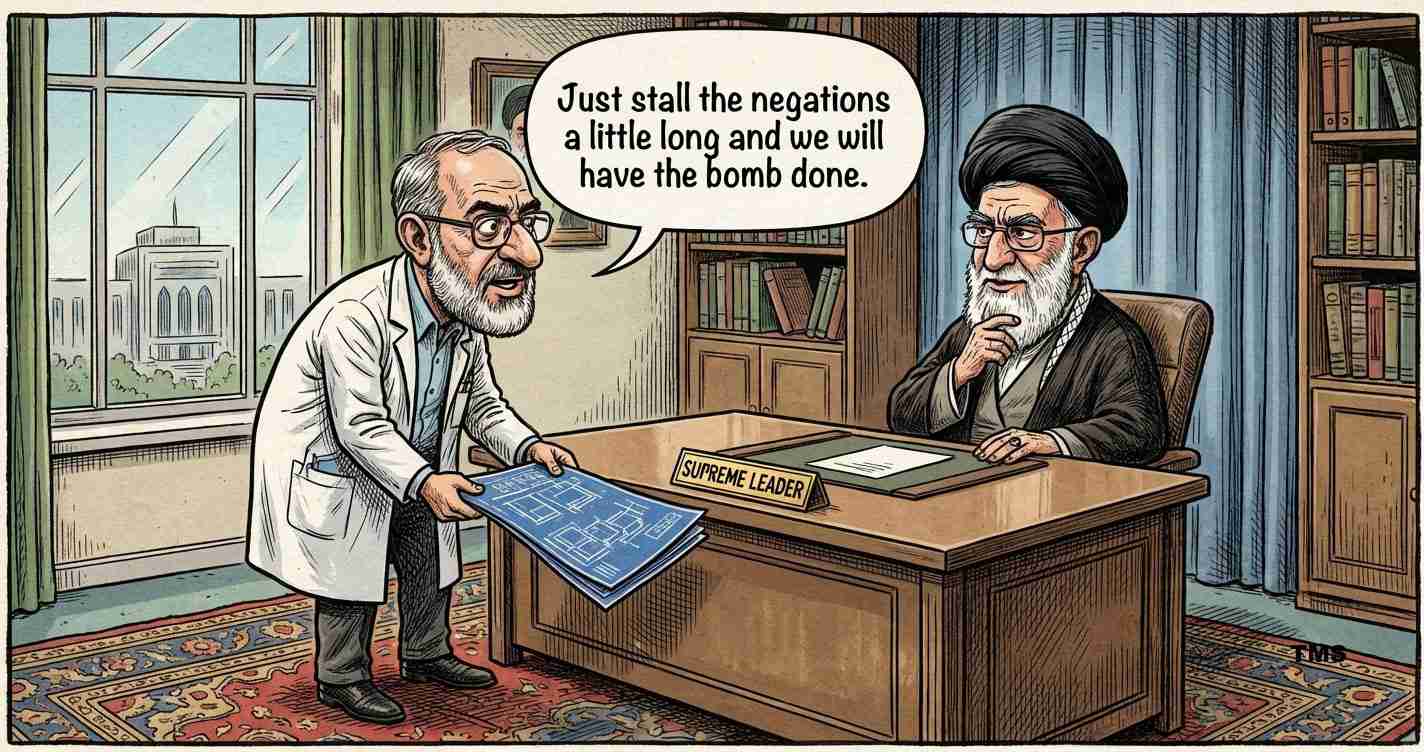
David Albright of ISIS warned that stalling at the negotiating table has bought Iran time to harden facilities. He said recent work on facilities such as the new Taleghan 2 site may make them “fully unrecognizable bunkers, providing significant protection from aerial strikes.” Those changes complicate the military calculus for any actor considering strikes designed to set back enrichment capabilities. (Source: Times of Israel)
The diplomatic context: talks and red lines
The fortification activity is taking place while Iran engages in nuclear talks with the Trump administration. U.S. officials have emphasized red lines they say Iran must not cross; Vice President JD Vance said President Trump “has set some red lines that the Iranians are not yet willing to actually acknowledge and work through,” according to reporting. The juxtaposition of hardened sites and ongoing diplomacy raises questions about whether Iran seeks to strengthen its bargaining position or to safeguard its program irrespective of talks. (Sources: Times of Israel; i24NEWS)
Implications for California
Economic impact: A spike in tensions between the U.S. and Iran could ripple through global energy markets and affect gasoline and jet fuel prices at California pumps. California imports refined products and relies on open shipping lanes for trade; any conflict in the Gulf of Oman or wider Persian Gulf could raise shipping costs, push up insurance premiums for cargo, and increase prices for goods that pass through those routes. Investors in California energy and defense companies may also see stock movement tied to perceived risk.
Political consequences: California’s voters and elected officials have a strong interest in national security and foreign policy. Heightened tensions could sharpen debates in statewide politics over defense spending, sanctions policy and the federal government’s approach to negotiations with Tehran.
Social effects: California is home to a large and politically active Iranian‑American population. News of Iran fortifying nuclear sites and repairing military facilities can intensify community concerns, affect local advocacy and influence public events, town halls and outreach to elected officials.
Practical applications for residents: Californians who travel to or do business in the Middle East should monitor travel advisories from the U.S. State Department. Businesses that rely on global supply chains should review contingency plans for shipping disruptions. Universities and research institutions may need to reassess vetting and compliance related to dual‑use technologies. Local emergency planners and ports should stay alert to federal guidance.
Reporting and transparency: Californians should look to transparent, independently verified sources for updates. Satellite images and analysis from commercial providers and trusted analytic groups provide visual evidence of rebuilding efforts; federal agencies and Congress may seek classified intelligence to confirm or expand on those findings.
Sources and further reading
- Times of Israel: Satellite images show Iran repairing and fortifying sites amid tensions with US
- Times of Israel live blog entry: Satellite images show Iran repairing and fortifying sites amid US tensions
- i24NEWS: Satellite images show Iran fortifying military and nuclear sites amid US tensions
Reporting includes statements by Alireza Jafarzadeh to Fox News Digital and public analysis from the Institute for Science and International Security, as cited in the reporting above.