California Moves to Shield Residents as US Withdraws from WHO; Questions Remain About State Plan
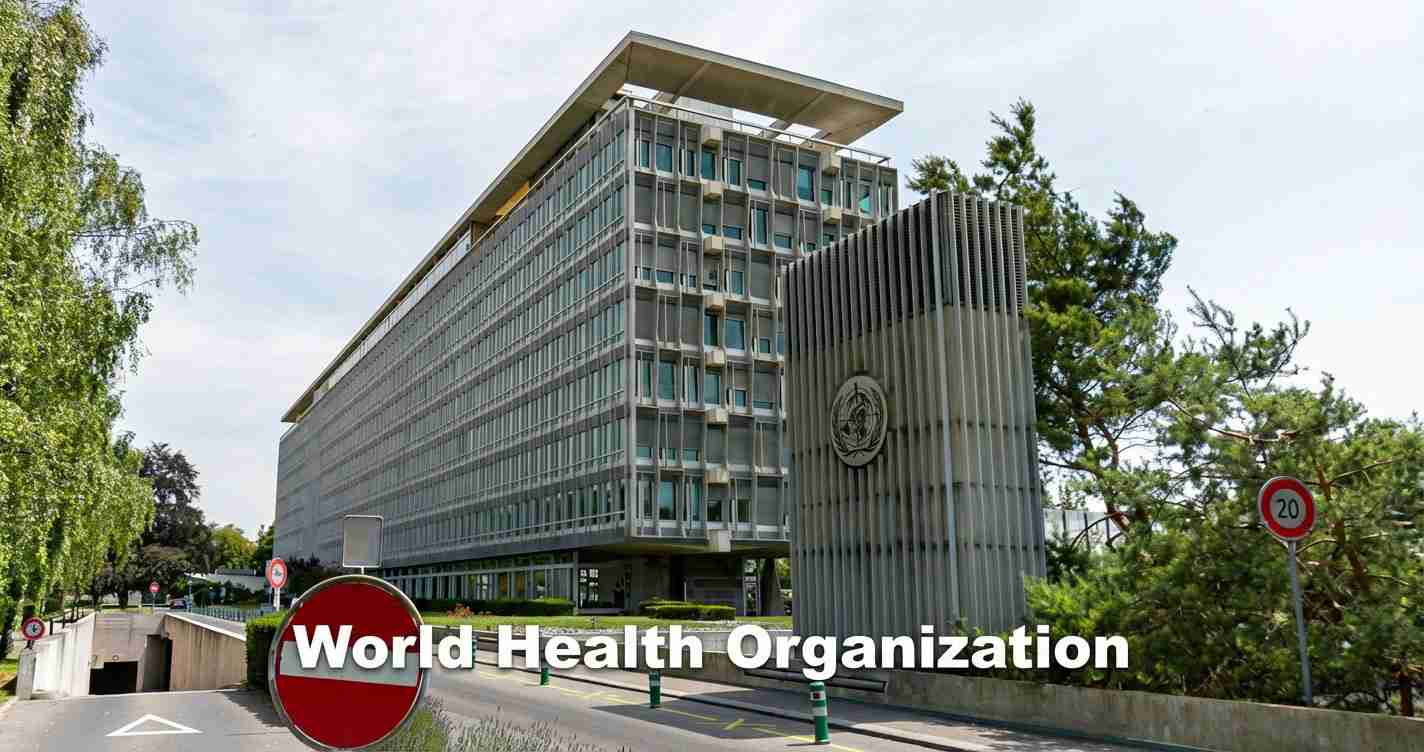
The United States formally withdrew from the World Health Organization on Jan. 22, 2026, prompting California officials to promise protective measures while questions persist over whether Sacramento has a detailed plan to plug into global disease‑tracking networks.
- The U.S. completed its WHO withdrawal on Jan. 22, 2026, reported by ABC7, ABC News and summarized by the Centers for Disease Control and Prevention.
- Federal officials say the U.S. will limit formal WHO work and pursue direct bilateral public‑health cooperation instead.
- Experts warn the withdrawal could slow early outbreak detection and coordination — analysis cited from CIDRAP and local reporting.
- No verified, detailed California plan has been found in public reporting or statements from Gov. Gavin Newsom’s office to date.
Federal exit: what happened and why
On Jan. 22, 2026, the United States completed its formal withdrawal from the World Health Organization after a process set in motion by the Trump administration. Officials cited concerns about WHO performance during recent outbreaks and a preference to pursue direct bilateral and multilateral agreements rather than working through an international agency. Reporting on the withdrawal appeared in national and local outlets and was summarized by the Centers for Disease Control and Prevention.
Federal officials’ stated approach
Federal officials announced the U.S. will keep limited ties with the WHO as the withdrawal is effectuated. A senior official said the departments of Health and State will work with the WHO only in a limited capacity and that the U.S. does not plan to rejoin or participate as an observer. Instead, the administration said it will pursue direct country‑to‑country public health cooperation and partnerships.
Public health experts voice concerns
Public health analysts warn the withdrawal could disrupt the global disease‑detection network that helps identify outbreaks early. The WHO plays a central role in sharing data, coordinating responses, and organizing lab networks during fast‑moving events; without that central system, the U.S. risks receiving outbreak information more slowly or lacking context, according to analysis from CIDRAP and reporting compiled by local outlets.
“Timely lab sequencing data, rapid sharing of clinical and epidemiological findings, and coordinated vaccine development are practical areas at risk if global coordination weakens,” experts say.
California response: posture, gaps in public reporting
State leaders in Sacramento have signaled they are preparing for changes that may follow the federal decision, framing the effort as protecting California’s 39 million residents and its economy. However, a review of available news reports and public records did not find detailed, publicly released plans from Gov. Gavin Newsom’s office or the California Department of Public Health describing a specific program to plug directly into global disease‑tracking networks. Times Media Service reporting found no verified press release or policy paper outlining concrete agreements with foreign public health agencies or an operational blueprint at this time.
What California could do — options and limits
Public health experts outline several tools states might use to shore up surveillance without WHO membership. Each carries costs, legal questions and implementation hurdles.
- Strengthen state public health labs for faster sequencing and reporting.
- Form data‑sharing agreements with foreign labs and academic centers where legal and feasible.
- Purchase commercial or academic disease‑data feeds that monitor pathogen trends worldwide.
- Expand partnerships with U.S. federal agencies, nonprofit networks, and private biotech and genomics firms.
- Invest in local capacity at ports and border points to detect imported threats earlier.
These options may face privacy rules, export controls, logistical hurdles and funding challenges. The CDC notes federal‑level changes require careful coordination to avoid gaps.
Implications for California
Economic impact
California’s economy — tied to global trade, travel and biotech — could be affected if delays in detecting outbreaks disrupt ports, agriculture exports, tourism and supply chains. Developing independent surveillance systems could impose new costs on taxpayers and businesses, though private‑sector firms may help offset expenses through public‑private partnerships.
Political consequences
For some audiences, the issue highlights state sovereignty and fiscal responsibility. Some may welcome California taking direct action to protect residents; others will demand transparent accounting of costs and scrutiny about duplication of federal capabilities.
Social effects
Public health gaps can produce unequal effects: rural counties with smaller health departments may be slower to detect and respond to outbreaks. California will need to ensure local health agencies receive resources and data. Transparent communication is essential to maintain public trust among communities wary of shifting federal rules.
Cultural relevance
California’s culture of innovation — universities, private labs and a robust tech sector — could be an asset if leaders structure cost‑effective, interoperable programs that work with U.S. partners.
Practical applications for residents
For ordinary Californians, the debate matters in practical ways: faster detection at ports and airports, quicker public guidance, and timely vaccine or treatment distribution. Residents should expect state officials to discuss plans publicly — or demand disclosures — so communities understand how surveillance data will be gathered, shared and used.
Sources and reporting notes
This article draws on national reporting and public health analyses. Key sources include:
- ABC7 — “US completes withdrawal from World Health Organization”
- ABC News — “US officially exits World Health Organization, accusing agency”
- CDC — “U.S. Withdrawal from the World Health Organization” (resource page)
- CIDRAP (University of Minnesota) — coverage and analysis on the withdrawal and public health implications
Reporting note: Times Media Service reporting did not locate verifiable public statements or documentation detailing Gov. Gavin Newsom’s specific plans to connect California directly to international disease‑tracking networks. State officials were not quoted in the available sources about a defined program. Further reporting and public records requests may reveal more about any concrete steps Sacramento plans to take to address the WHO withdrawal impact.