
DeSantis Defends ICE After Jacksonville Official Placed on Leave for Warning Public of Operations
Governor Ron DeSantis defended ICE operations in Jacksonville and criticized City Hispanic Outreach Coordinator Yanira “Yaya” Cardona, who was placed on administrative leave after livestreaming warnings about ICE presence and specific road locations to residents.
Key takeaways
- City staffer placed on leave: Yanira “Yaya” Cardona was put on administrative leave after an Instagram livestream warning residents of ICE activity, which named roads to watch. See the Fox News report.
- DeSantis backs ICE: The governor publicly defended ICE, criticized the livestream as inconsistent with respect for law enforcement, and highlighted recent enforcement numbers reported by local outlets such as Action News Jax.
- Local leaders push a different framing: Mayor Donna Deegan said Cardona’s livestream reiterated publicly available locations, urged legal representation, and advised compliance if stopped (Fox News).
- Broader concerns: Community leaders questioned tactics such as masked agents; the governor’s office maintained ICE needs tools to operate safely, including standard protective gear (video statement from the governor’s office).
What happened in Jacksonville
Incident summary: Yanira “Yaya” Cardona, the City of Jacksonville’s Hispanic Outreach Coordinator, posted an Instagram livestream during which she warned residents that Immigration and Customs Enforcement was placing what she called “speed traps” and named specific roads to watch. Within hours, Jacksonville city officials placed Cardona on administrative leave while they review her comments (Fox News).
Mayor Donna Deegan defended the broader purpose of Cardona’s message, noting the locations Cardona mentioned had already circulated through community sightings, news reports and social media. Deegan added Cardona repeatedly advised residents to seek legal counsel and to comply if stopped, framing the livestream as community outreach rather than obstruction (Fox News).
DeSantis response and message on law enforcement
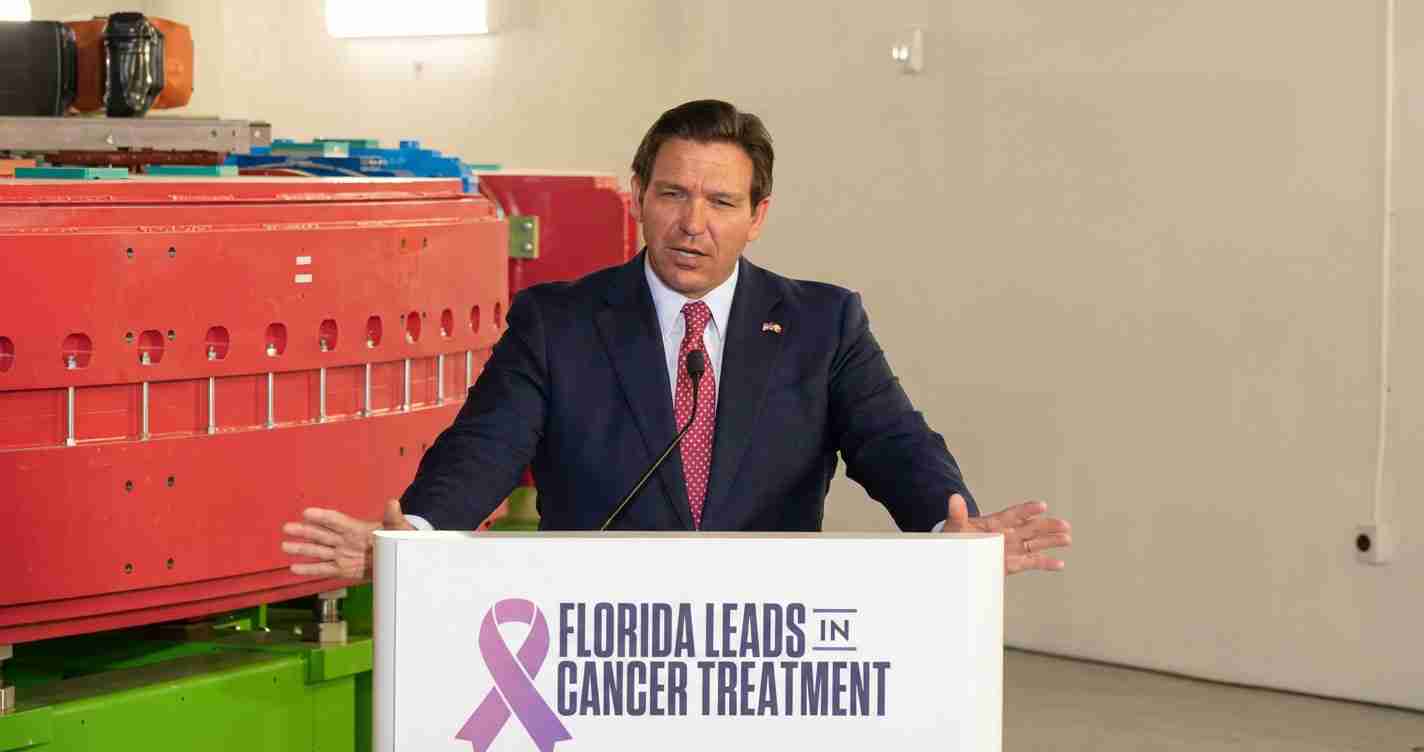
Public remarks: Governor DeSantis criticized the Jacksonville official who warned the public and reaffirmed support for ICE operations in the city. At a news stop he said, “I know you had that one woman in the city of Jacksonville government putting out information. Look, that’s not the way we roll here in the state of Florida. You know, we’re going to respect law enforcement, respect the rule of law.” (Fox News).
DeSantis contrasted Florida’s cooperation with federal immigration authorities against other cities he described as less cooperative, saying, “This is not Minneapolis. That is not going to end well for you in Florida.” He cited enforcement statistics that state and local authorities accounted for nearly 20,000 apprehensions in the past nine to ten months, as reported by local coverage (Action News Jax).
The governor also warned against violent reactions during operations and referenced the arrest of Jennifer Cruz, who faces multiple felony and misdemeanor charges tied to an alleged assault on a state trooper during immigration operations (ABC3340).
Community reaction and concerns
The episode highlighted a split between state officials and local leaders. Some Jacksonville residents and faith leaders raised alarms about ICE tactics. Pastors affiliated with the National Baptist Convention urged limits on ICE agents’ face coverings, with leaders such as Dr. Boise Kimber saying masks worn by some agents evoked historical racial terror imagery (Action News Jax).
The governor’s office responded that ICE needs “the tools they need to do their job safely and effectively,” signaling support for standard protective gear and operational methods (video statement from the governor’s office).
Legal and policy context raised by the dispute
Local outreach vs. enforcement: City outreach coordinators often inform residents about legal rights and steps to take if stopped. Mayor Deegan emphasized Cardona advised residents to “get representation” and to comply if stopped, framing that guidance as lawful rather than obstructive (Fox News).
State leaders emphasize close cooperation with federal immigration enforcement. That stance — and the governor’s public defense of ICE — raises practical questions for cities: whether naming specific locations could impede active operations, how to balance legal guidance with public safety, and what standards should govern outreach staff behavior (Action News Jax).
Implications for California
Economic impact: Florida’s enforcement patterns could influence labor availability and costs for industries that rely on immigrant workers. California — with different immigration policies and sanctuary protections — may see smaller direct impacts, but multi-state firms should monitor enforcement trends for supply and staffing risks.
Political consequences: The DeSantis stance underscores a law-and-order message that appeals to conservative voters. In California, similar disputes could reignite debates between state and local officials over cooperation with ICE and pressure outreach-focused leaders to justify actions to enforcement-minded constituents.
Social and cultural effects: Public warnings and enforcement operations can heighten fear in immigrant communities. Faith leaders and community groups in California may press for transparency in tactics (including mask policies), while officials balance concerns about public safety and law enforcement cooperation.
Practical applications for California residents and officials
- Clarify outreach policies: Local governments should set clear guidance for staff who run outreach programs and provide training on what information is appropriate to share during active operations.
- Coordinate messaging: Lawmakers and law enforcement should provide consistent public guidance about rights and safety — recommending legal representation and compliance if stopped can protect residents without obstructing enforcement.
- Support legal aid: Businesses and community groups should maintain updated contacts with legal aid organizations to assist members affected by enforcement actions.
- Study other states: Elected officials can monitor how different states manage ICE cooperation to balance public safety, community trust and legal duties.
Sources and reporting
Reporting for this article used statements and coverage from local and national outlets, including Fox News, Action News Jax, ABC3340, and a video statement from the governor’s office.


