Trump gave Maduro ultimatum to flee Venezuela as land operations loom, talks collapse over amnesty and military control
President Donald Trump told Nicolás Maduro in a late November 2025 phone call to leave Venezuela immediately, offering safe evacuation for him and his family; Maduro rejected the offer, collapsing talks and raising the prospect of U.S. military action.
- Immediate ultimatum: In a late-November 2025 call Mr. Trump demanded Maduro leave at once and offered guaranteed evacuation for Maduro and family — the exchange is reported by Times of India.
- Talks collapsed: Negotiations broke down after Caracas sought global amnesty and continued military control, demands the U.S. rejected, according to reporting including Fox News.
- Escalation risk: Trump warned Venezuelan airspace was effectively closed and said land operations could begin “very soon,” prompting FAA advisories and flight reroutes (see Times of India).
Sources and overview
This account draws on contemporary reporting of the exchange and its aftermath, including coverage by Times of India and Fox News. The summary preserves reported facts, quotes and source links.
The ultimatum and the initial offer
Direct message: According to officials familiar with the exchange, Mr. Trump told Mr. Maduro: “You can save yourself and those closest to you, but you must leave the country now.” The call included an offer to guarantee evacuation for Maduro, his wife Cilia Flores, their son, and several senior regime figures if Maduro resigned immediately (Times of India; Fox News).
Administration rationale: U.S. officials framed the evacuation offer as a means to avoid wider conflict and remove a leader accused of corruption, human-rights abuses and enabling drug trafficking. Critics counter that safe passage risks appearing to sidestep accountability; the White House maintains criminal cases could proceed after a transition.
Why talks stalled
People briefed on the call said Caracas made two central demands that Washington rejected:
- Global amnesty: Maduro sought full legal protection for himself and senior allies from prosecution for crimes committed while in power; U.S. officials rejected any blanket amnesty (Times of India; Fox News).
- Continued military control: Maduro insisted on retaining influence or direct control over Venezuela’s armed forces even if elections were held; the U.S. rejected arrangements leaving the military under Maduro’s sway (Times of India).
Timing: Washington demanded immediate resignation and evacuation; Caracas pushed for a slower negotiated timetable. After talks collapsed, Venezuelan officials tried to reopen channels but, according to sources, U.S. lines were unresponsive (Times of India; Fox News).
Trump’s escalatory response
Airspace and operations: Within hours of the failed exchange, President Trump declared Venezuelan airspace effectively closed and warned U.S. land operations could begin “very soon.” The FAA issued advisories and several major airlines rerouted or halted flights to Venezuela, and Caracas retaliated by revoking some foreign carriers’ operating rights (Times of India; Fox News).
Purpose claimed: Administration officials and allies say rerouting flights and other measures aim to pressure Maduro without immediate boots on the ground, but the president’s reference to land operations increased fears of a wider military campaign.
Military posturing, drug war justification and legal tools
The administration has tied its tougher posture to the U.S. drug crisis, citing alleged Venezuelan links to trafficking of fentanyl, opioids and cocaine. Officials assert these ties justify stronger measures; supporters on television, including Senator Dave McCormick, defended the approach citing deadly domestic impacts (Times of India).
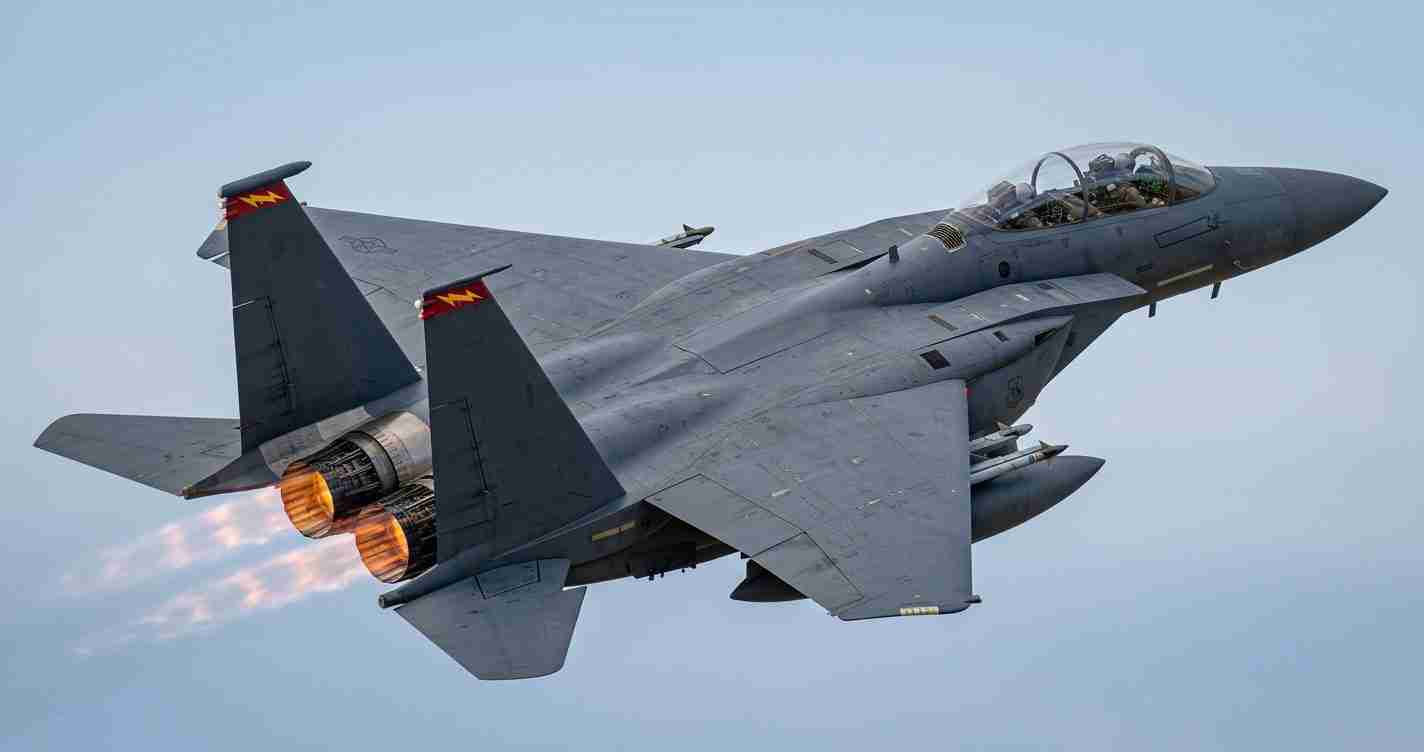
Operational tools: The U.S. has increased maritime strikes on suspected drug vessels and designated the Cartel de los Soles as a foreign terrorist organization — steps that broaden legal pathways for action short of full invasion. Critics warn some strikes risk appearing extrajudicial and call for congressional oversight; a congressional inquiry into an alleged “double tap” strike near Trinidad is underway and has prompted denials from defense leaders (Fox News; Times of India).
Maduro’s defiant response in Caracas
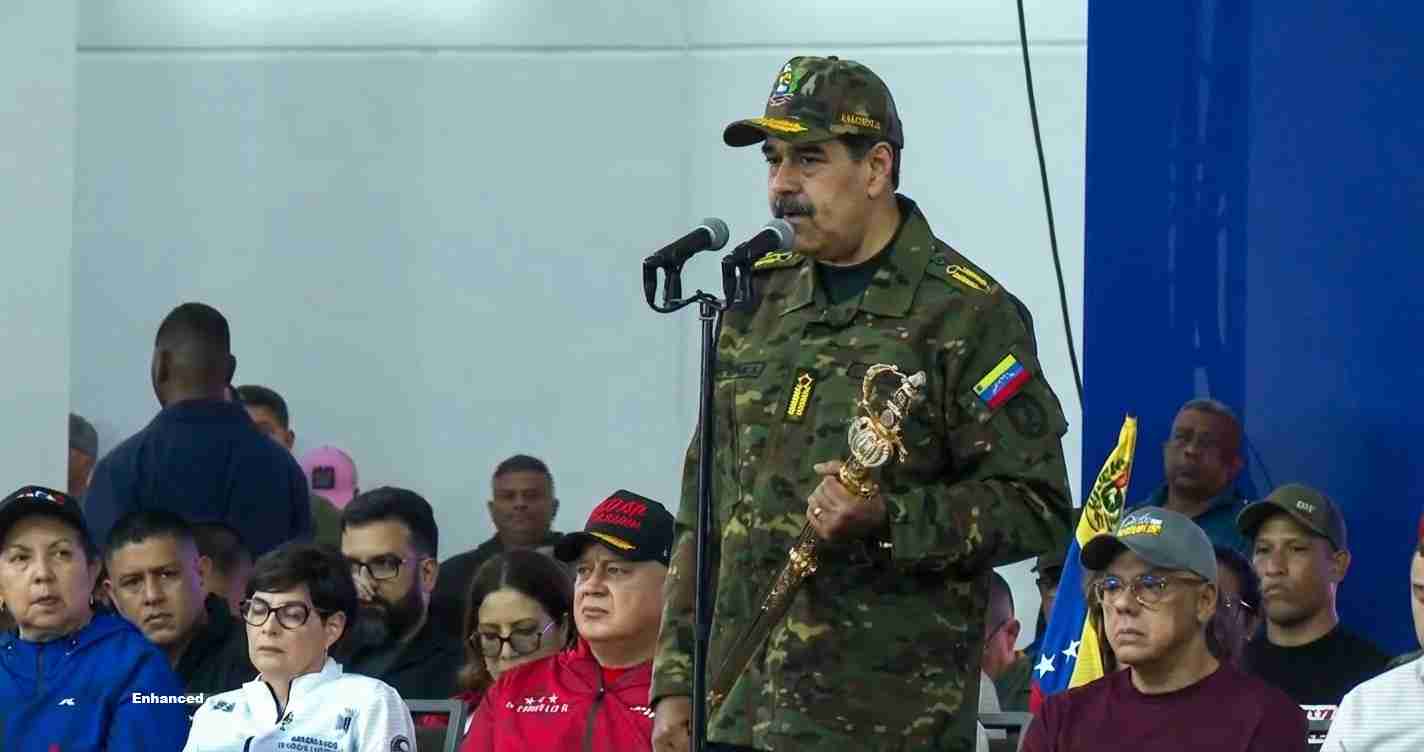
Facing pressure from Washington, Mr. Maduro publicly rejected the ultimatum and staged shows of force. On November 25, 2025, he appeared at a military academy rally in Caracas brandishing a sword while denouncing what he called U.S. “imperialist aggression.” The displays aim to rally loyalists and retain military support (Fox News).
Strategic assessment: capacity to resist and global posture
Analyst view: Defense analysts call this the most serious external threat to Maduro’s rule in over a decade, but they also note Venezuela’s limited capacity to resist a major foreign intervention after years of economic collapse, corruption, sanctions and military neglect. Much equipment is outdated or poorly maintained, and outside backers have limited ability to provide large-scale support (Fox News).
Geopolitically, Russia and Iran — traditional backers — are strained by other crises, and China’s regional interests make direct intervention unlikely. Analysts caution that U.S. military action carries risks such as refugee flows, regional instability and asymmetric responses.
Implications for California and the United States
Economic impact
- Trade and fuel markets: California imports refined products and feedstock from global markets that could be disrupted by Caribbean instability; spikes in oil prices or insurance could raise pump prices and business costs (Times of India).
- Airlines and travel: FAA advisories and airline reroutes have already altered routes used by Californians to the Caribbean and northern South America, increasing costs and delays.
Political consequences
- National security and politics: California voters will weigh administration claims about drug trafficking and security against the risks of military action; lawmakers may be pressed to clarify support for escalation or oversight of expanded authorities.
- Immigration and refugee flows: Increased refugees from Venezuela could add pressure on border policy and humanitarian services, affecting California cities and counties with established relief networks.
Social effects
- Community safety and drug enforcement: Communities battling fentanyl and opioid addiction may favor tougher measures, but there are concerns military action abroad may not address domestic prevention and treatment needs.
- Local economy and workers: Shipping or fuel disruptions could affect California ports, logistics and industries sensitive to energy and freight costs.
Cultural relevance
California’s large Latin American diaspora follows events in Venezuela closely. News of the ultimatum, threats of U.S. land operations, and Maduro’s defiance will resonate across communities with family ties to the region and shape civic discussion and political views.
Practical applications
- Preparedness for travelers: Californians planning travel to the Caribbean or northern South America should check FAA notices and airline advisories, consider travel insurance and expect reroutes or cancellations (Times of India).
- Policy engagement: Californians can contact members of Congress to request oversight of military action, clear humanitarian plans and investment in domestic drug prevention and treatment tied to administration claims.
Quote from reporting: Officials said Mr. Trump offered guaranteed evacuation for Maduro and some senior figures if he agreed to step down immediately — a move framed as preventing wider bloodshed while critics warned it could avoid accountability (Times of India; Fox News).
Preserved sources: Reporting referenced throughout: Times of India; Fox News.