
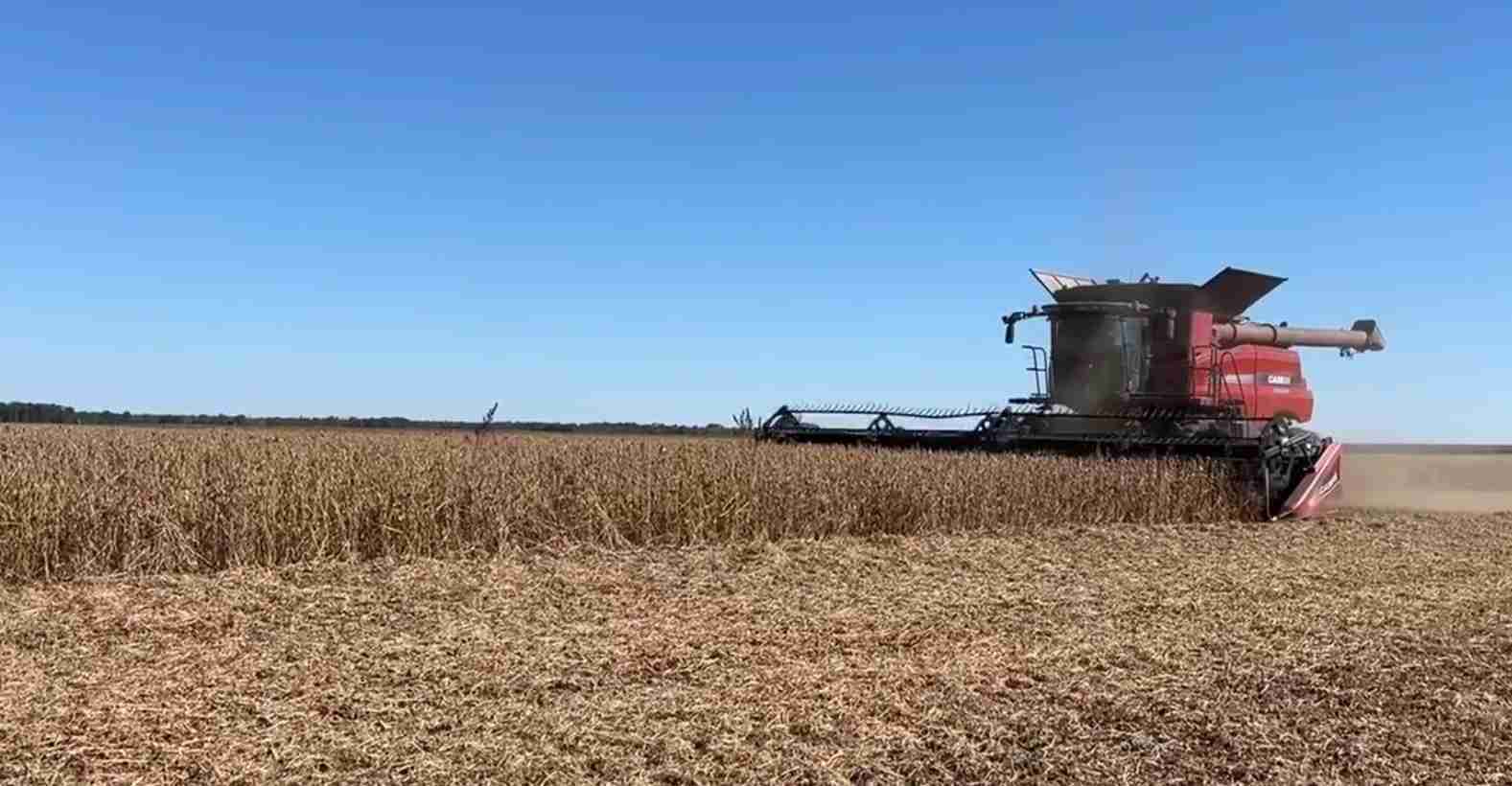
Trump calls China’s cut in U.S. soybean purchases an “economically hostile” act, threatens to end cooking oil trade in retaliation
President Donald Trump called China’s sharp reduction in U.S. soybean purchases an “economically hostile” act that he says harms American farmers and suggested the U.S. could retaliate — including by ending imports such as cooking oil — to force a reversal.
- Trump called China’s reduction in soybean buying “economically hostile” and warned the U.S. could end trade in cooking oil and other items
- China’s share of U.S. soybean purchases fell from about 28% before 2018 tariffs to around 22% in 2023–24
- Experts warn that retaliatory bans risk escalating the trade war and ceding markets to South American competitors
Trump’s allegations and proposed retaliation
In recent posts on Truth Social, President Trump accused China of deliberately slashing purchases of U.S. soybeans to hurt American farmers. He framed the cuts as a targeted, “economically hostile” move and said the United States could respond by ending imports that it can produce domestically — most notably cooking oil.
“If they can buy from someone else, they will. We can make our own cooking oil,” the president wrote, positioning the measure as both economic leverage and a show of domestic self-reliance.
Trump argued that the U.S. has the capacity to produce more cooking oil at home — a message aimed at voters who favor economic independence and policies that protect American jobs. He presented the potential termination of certain imports as a direct countermeasure to pressure Beijing to resume purchases and safeguard farmers’ incomes. He framed the tactic as aimed at restoring market access for U.S. agriculture. Source
Why soybean sales matter
Soybeans are central to U.S. farm income. Before the 2018 tariff confrontations, China accounted for roughly 28% of U.S. soybean exports. That share plunged to about 11% in the 2018–19 crop year amid retaliatory measures, but rebounded; data showed China buying about 22% of U.S. soybeans in the 2023–24 period. Full reporting
For many American soybean farmers, exports to China are a major revenue source. Losing large, steady buyers forces producers to sell into crowded global markets, often at lower prices. That price pressure makes it harder for farmers — particularly younger operators with leased land and credit obligations — to cover costs and repay loans.
Trade war dynamics and China’s strategy
Analysts describe China’s reduced purchases in spring 2024 as a bargaining move in the wider U.S.–China trade standoff. Beijing has shifted more buying to South American suppliers such as Brazil and Argentina, where harvest timing and shipping can be cheaper, giving China leverage while diminishing reliance on U.S. suppliers. Reporting
Trump defends tariffs as necessary to correct trade imbalances and protect U.S. industries and national security; supporters echo those views. Critics, including some farm groups and economists, caution that tariffs invite retaliation and can harm export-dependent sectors like agriculture.
Economic risks for farmers
Scott Gerlt, chief economist for the American Soybean Association (ASA), told industry observers that short-term trade aid can ease immediate disruption, but the larger danger is a permanent loss of market share to South American competitors. Once buyers build supply chains and relationships elsewhere, U.S. producers may struggle to win them back. Source
The risk is especially acute for younger farmers: many rent land and carry debt for equipment, seed, and fertilizer. Price declines and lost export outlets can push them into unsustainable positions. The ASA and other groups advise policy that balances immediate relief with long-term market rebuilding strategies.
Could ending cooking oil trade help?
Trump suggested using a ban on cooking oil imports as leverage to bring China back to the negotiating table, highlighting domestic capacity to produce such oils. He framed the move as both a retaliatory step and a patriotic action. Source
Experts caution that bans on products unrelated to soybeans can escalate tensions without necessarily helping the targeted sector. Cooking oil is a globally traded commodity with many suppliers; restricting trade could raise input costs for processors and retailers, costs often passed to consumers. Analysts warn that tit-for-tat measures may increase instability for agriculture rather than restore lost markets.
Broader geopolitical and broker strategy
Shifting purchases to South America may also be a strategic effort by Beijing to reconfigure supply chains and economic relationships. Trump has argued that China uses trade as leverage to reshape alliances and redirect supply lines toward countries more aligned with its economic objectives. Reporting
This trend poses a long-term problem for U.S. agriculture: even if tariffs are eventually rescinded, buyers who have established reliable supplies from Brazil or Argentina may continue to favor those sources. Rebuilding market share will likely require coordinated trade policy, marketing efforts, and sometimes subsidies or aid.
Implications for California
Although California is not a leading soybean producer, the state’s food and livestock industries rely on steady supplies of soy-based products such as soybean meal and vegetable oils. Disruptions in global soybean markets can raise feed costs for dairies and poultry farms and increase prices for processors and restaurants. Changes in cooking oil imports and prices could affect consumers and businesses statewide. Source
California ports — including Los Angeles and Long Beach — handle sizable agricultural shipments. Any shifts in trade flows could alter shipping patterns, storage demand, and trucking volumes, affecting local jobs in ports, warehouses, and trucking. Politically, state leaders may urge measured federal responses that support farmers and protect supply chains without provoking unnecessary escalation.
Socially, higher input costs for feed and oil can ripple through food prices and the cost of living. Communities tied to food production and processing — from the Central Valley to Bay Area facilities — could see stress from price volatility, while farmworkers and seasonal labor may face reduced hours or wages during prolonged market instability.
Reporting and sources
This article draws on Times Media Service reporting and industry analysis. It preserves original facts and links to full coverage from Fox Business. The American Soybean Association’s economic assessments and comments by ASA Chief Economist Scott Gerlt are included in industry coverage of China’s shift in soybean purchases. Full source
Further reporting will track any official policy moves to limit cooking oil trade or other goods, federal responses to farmer losses, and how supply chains adapt if China maintains lower purchases of U.S. soybeans.



