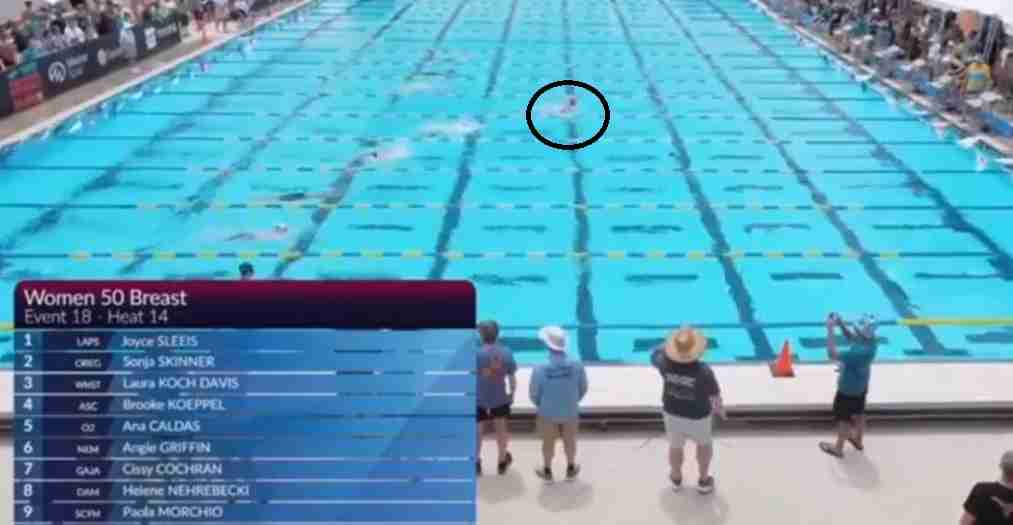
Ana Caldas banned by World Aquatics after refusing sex test; recent results annulled
Transgender swimmer Ana Caldas was suspended five years by World Aquatics and stripped of results from June 2022 through October 2024 after refusing a chromosomal sex-verification test, prompting debate over privacy, eligibility rules and fairness in competitive swimming.
- Five-year ban: World Aquatics suspended Ana Caldas until October 2030 and annulled results from June 2022–October 2024 after she declined chromosomal testing (Star Observer; AOL).
- Local controversy: Caldas, competing in U.S. Masters Swimming, won five golds at a San Antonio meet, triggering complaints from competitors and advocacy groups (AOL).
- Privacy vs. eligibility: Caldas called chromosomal testing invasive and costly; federations argue tests enforce integrity and fairness (Star Observer).
Investigation and events that led to the ban
World Aquatics launched the disciplinary action after complaints and a state inquiry followed Caldas’ performance at U.S. Masters Swimming meets. At a May San Antonio event she won five gold medals in the women’s 45–49 age group, which prompted objections from competitors and advocacy organizations (AOL).
The Texas Attorney General opened an inquiry into the meet and Caldas’ participation. That inquiry led World Aquatics to request medical proof of sex, including chromosomal screening, as part of its eligibility verification. Caldas declined the test, describing it as “invasive and expensive” and noting it was not standard for recreational events in the U.S., including U.S. Masters Swimming (Star Observer).
World Aquatics concluded Caldas breached integrity rules on gender eligibility and the requirement to provide accurate information. The federation imposed a suspension through October 2030 and annulled her results from June 2022 to October 2024 under its integrity and eligibility codes (AOL; Fox News).
Athlete reactions and privacy claims
Competitor responses: Some athletes expressed feelings of betrayal and concerns about fairness. Wendy Enderle, who raced against Caldas, said she “felt betrayed” upon learning Caldas’ birth sex after the meet, reflecting broader unease among some competitors (AOL; Fox News).
Caldas’ statement: Caldas publicly framed her refusal as a defense of her private medical information. She said, “A five-year suspension is the price I have to pay to protect my most intimate medical information,” arguing that chromosomal testing is not required for recreational U.S. events and that mandatory screening is an undue financial and privacy burden (Star Observer).
World Aquatics gender policy and the broader rules context
World Aquatics adopted a restrictive transgender policy in 2022. Under that policy, transgender women who transitioned after puberty or reached Tanner Stage 2 face strict eligibility thresholds; some are ineligible unless they transitioned before age 12 or early in puberty. The policy may tie eligibility to chromosomal markers and testosterone measurements in specific cases (AOL).
This tightening mirrors moves in other federations such as World Athletics and follows legal and public debate in high-profile cases, notably those involving Caster Semenya and Lia Thomas (The Sports Examiner; CBS News).
Legal and procedural questions
The role of the Texas Attorney General in prompting the inquiry raises questions about interactions between state officials and international sporting bodies. The use of chromosomal testing as a verification tool also presents legal and ethical concerns: critics note such tests can be medically complex and not fully determinative of legal or lived sex, while supporters argue they offer a clear scientific standard for eligibility (Star Observer).
World Aquatics characterized its action as enforcement of its integrity and eligibility rules; Caldas’ refusal to supply chromosomal evidence created a compliance violation under that code. The dispute underscores a broader question: which entities — local meet organizers, national federations, or international bodies — should set and enforce testing and eligibility standards (AOL).
International trend and precedent cases
The Caldas case fits an international trend toward stricter gender eligibility standards across elite sport. Several federations have updated rules to limit transgender athlete participation in certain events, citing fairness and safety. Precedent cases, including Caster Semenya and Lia Thomas, have driven legal challenges and policy shifts (The Sports Examiner; CBS News).
Implications for California
Economic impact: California hosts many Masters meets and community swim programs. If international federations or state officials push testing or verification at local events, organizers could face higher costs, insurance and legal requirements, increased barriers to entry and reduced participation (Star Observer).
Political and social consequences: The debate cuts across partisan lines in California. Lawmakers and community leaders may face pressure to respond — balancing privacy rights with competitive integrity. Transgender Californians could be deterred from joining recreational sports if testing expectations spread; conversely, some local women athletes may feel vindicated by stricter enforcement (AOL).
Practical guidance: Swim clubs, Masters programs and meet directors should review policies, insurance and legal exposure before altering entry rules. Organizations may want privacy-respecting procedures for eligibility complaints and to decide whether to align with international standards or maintain separate recreational policies (Star Observer).
Additional reading and sources
- Star Observer: Transgender swimmer Ana Caldas has been banned after refusing gender testing — https://www.starobserver.com.au/news/transgender-swimmer-ana-caldas-has-been-banned-after-refusing-gender-testing/239431
- AOL News: Trans swimmer banned by World Athletics — https://www.aol.com/articles/trans-swimmer-banned-world-athletics-204324495.html
- Fox News: Trans swimmer banned from World Athletics, stripped of recent results after refusing sex test — https://www.foxnews.com/sports/trans-swimmer-banned-from-world-athletics-stripped-recent-results-after-refusing-sex-test
- The Sports Examiner: Coverage of precedent athletics cases — https://www.thesportsexaminer.com/athletics-semenya-drops-case-against-world-athletics-sex-testing-as-time-and-circumstances-have-run-past-her/
- CBS News: Coverage of related cases (Lia Thomas) — https://www.cbsnews.com/news/lia-thomas-transgender-case-dismissed-trans-swimmer-world-aquatics-athlete-rules/
Parent Publication: Times Media Service