Federal “Operation Never Say Die” targets sham hospices in Southern California; 8 arrested in sweeping Medicare fraud probe
The Department of Justice announced “Operation Never Say Die” on April 2, 2026, arresting eight people in Southern California for allegedly running sham hospices and related schemes that defrauded Medicare and other programs of more than $60 million.
Key takeaways
- DOJ-led takedown: Federal authorities executed searches and arrests across Los Angeles County in a coordinated operation led by the U.S. Department of Justice press release.
- Massive alleged losses: Prosecutors say the charged schemes caused intended losses exceeding $50 million and could reach roughly $60 million.
- Sham hospice schemes: Investigators allege recruiters enrolled beneficiaries who were not terminally ill to bill Medicare for end-of-life care.
- Regulatory response: CMS announced expedited reviews of hospices in California and officials signaled further clustered takedowns.
What happened
On April 2, 2026, federal agents arrested eight individuals and executed search and arrest warrants at locations across Southern California — from Covina and Glendale to Lakewood, Carson, Huntington Beach and Anaheim — as part of an enforcement initiative dubbed Operation Never Say Die. Authorities say the arrests follow long-running probes into networks that allegedly ran sham hospices and submitted false claims to Medicare and private insurers.
What authorities say
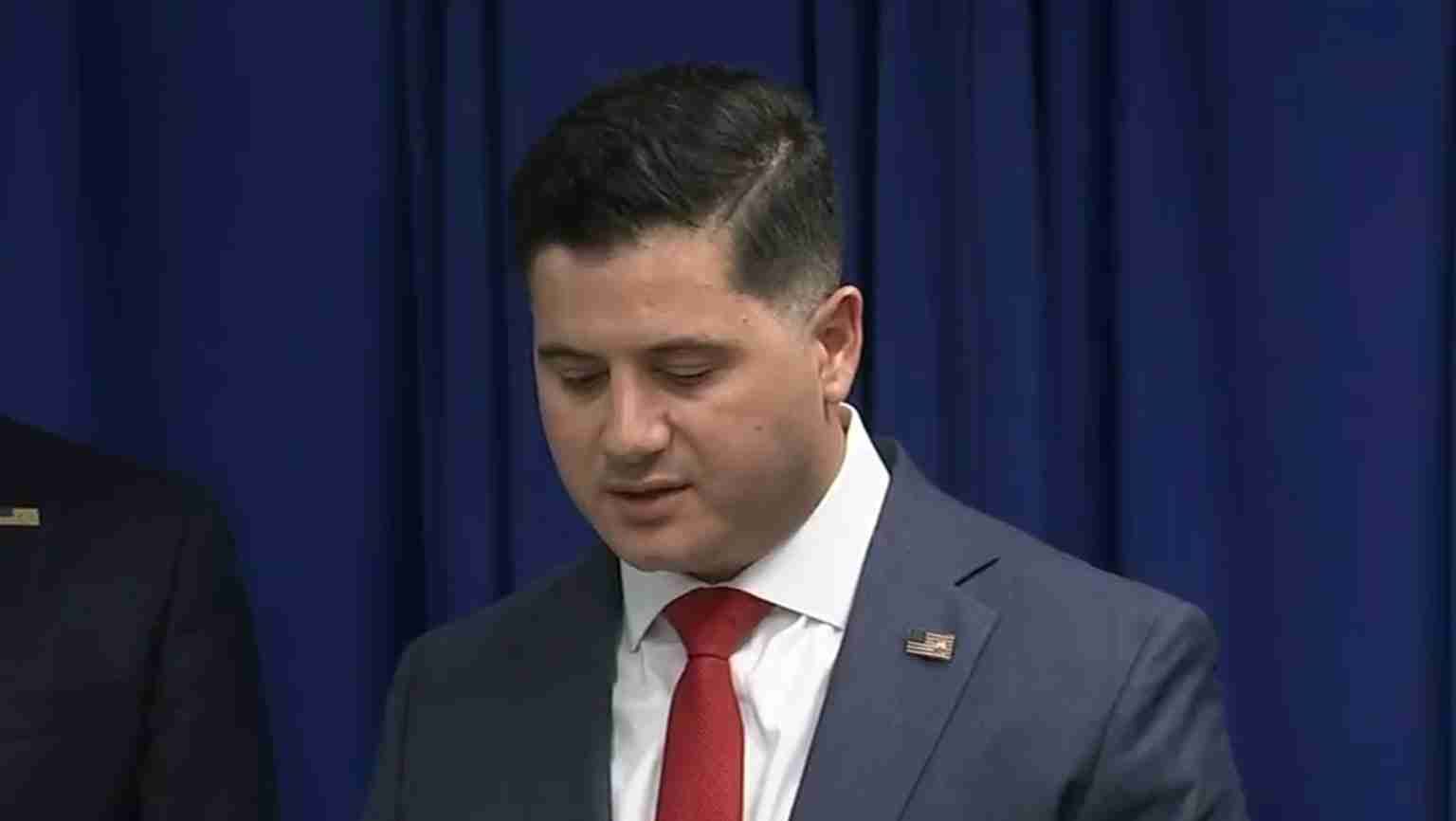
Federal leaders framed the takedown as a major enforcement action. First Assistant U.S. Attorney Bill Essayli described the operation as responding to a “high-risk environment” for fraud in Southern California and emphasized a zero-tolerance posture toward schemes targeting Medicare.
“Federal investigators uncovered networks that recruited people who were not terminally ill to pose as hospice patients,” Essayli said, according to federal filings.
FBI officials noted that health-care fraud drains the system nationwide and that this takedown reflects a pattern of organized abuse. CMS Administrator Dr. Mehmet Oz announced an expedited review of hospice providers in California and said CMS would use survival rates and billing patterns to flag suspicious facilities.
“We’re going to review every single hospice in California to make sure that they’re all appropriate, and we hope to do that expeditiously. We’ll do it this year,” Oz said at a Los Angeles briefing, as reported by Courthouse News.
The schemes alleged
Federal complaints and indictments describe multiple, overlapping fraud schemes that together targeted Medicare and other payers:
- Sham hospice operations: Investigators allege defendants ran “phantom” hospices that enrolled beneficiaries who were not terminally ill. Recruiters reportedly paid people monthly cash and supplements — roughly $300 a month in some instances — to pose as dying patients so providers could bill Medicare for hospice services.
- Overbilled therapy and chiropractic claims: Prosecutors say some providers submitted inflated or fabricated claims for chiropractic and physical therapy services, including bills tied to insurers like the International Longshore and Warehouse and the Pacific Maritime Association.
- Fraudulent immigration medical exams: Some filings allege providers billed for unnecessary or fabricated immigration medical exams.
Financial impact
Federal officials estimate intended losses exceed $50 million and may reach roughly $60 million. One highlighted example involves a Glendale-based hospice run by a Covina couple, which prosecutors allege submitted more than $5.2 million in false claims and received over $4 million from Medicare.
Notable defendants and charges
Among those arrested were licensed professionals and business owners. Federal filings and reporting identify several defendants and entities:
- Gladwin Gill, 66, a psychologist from Covina, and his wife Amelou Gill, a registered nurse. Authorities allege they operated a Glendale hospice that submitted millions in false claims; Gladwin Gill’s attorney has denied the allegations (ABC7 Los Angeles report).
- Other defendants are tied to business names including Ohana Wellness Center, Ohana Management Corp., R3New Wellness (Carson), and One Life Acupuncture APC (Huntington Beach). Several charged individuals are expected to be extradited for arraignment in Los Angeles federal court.
Press-conference controversy
Comments by Dr. Oz at the news conference sparked local criticism after video circulated of him speaking in front of an Armenian-owned bakery in Van Nuys while referencing statistical signals of fraud, including unusually high hospice survival rates. Local business owners denounced the remarks as unfairly stigmatizing. DOJ officials later clarified that none of the defendants in the indictments were connected to that bakery.
“Based on numbers, we have a lot of evidence of where the fraud is,” Oz said, noting patterns such as survival over 50% for patients expected to die within six months — a statistic investigators flagged as suspicious in some hospice populations.
Political and administrative response
California Gov. Gavin Newsom criticized the federal rollout and enforcement tone, saying the state has worked to combat fraud while accusing the federal administration of deflecting responsibility for federal program weaknesses. Federal officials emphasized this action is part of a broader anti-fraud initiative, noting patterns such as rapid “license flipping” and clusters of hospice listings as triggers for enforcement.
Investigation timeline, penalties and next steps
Federal filings indicate alleged schemes date back to about 2010. Defendants face federal counts including health-care fraud (with potential penalties up to 10 years’ imprisonment for some counts), wire fraud and additional offenses that may carry longer sentences depending on convictions. Authorities said they will continue audits and reviews of high-billing hospices nationwide and pursue recovery of improperly paid funds. Administrative actions, such as provider suspensions, were also announced to block suspected actors from billing while investigations proceed.
Implications for California
Economic: The alleged schemes put direct pressure on federal health dollars to the state and could prompt recovery actions affecting provider cash flow and billing relationships.
Political: The takedown is likely to intensify debate over state-federal coordination on Medicare and Medicaid oversight and may be used by policymakers to argue for stricter safeguards.
Social and cultural: Revelations of sham hospices risk eroding trust in legitimate providers, especially among diverse and immigrant communities. Officials emphasized the need to avoid stigmatizing whole communities while pursuing evidence-based enforcement.
Practical advice: Patients and families are urged to verify hospice credentials with state licensing boards and CMS before enrolling; providers should review billing and compliance practices now.