California man arrested after fortified underground bunker and large weapons cache found at suspected illegal grow
A California man, Michael Jay Kamfolt, was arrested Jan. 20, 2026, after CHP investigators discovered a fortified underground bunker on private property in Anderson containing an illegal marijuana grow and an extensive cache of weapons and ammunition.
Key takeaways
- Arrest: Michael Jay Kamfolt, 40, was arrested on Jan. 20, 2026, following a CHP search of a Shasta County property.
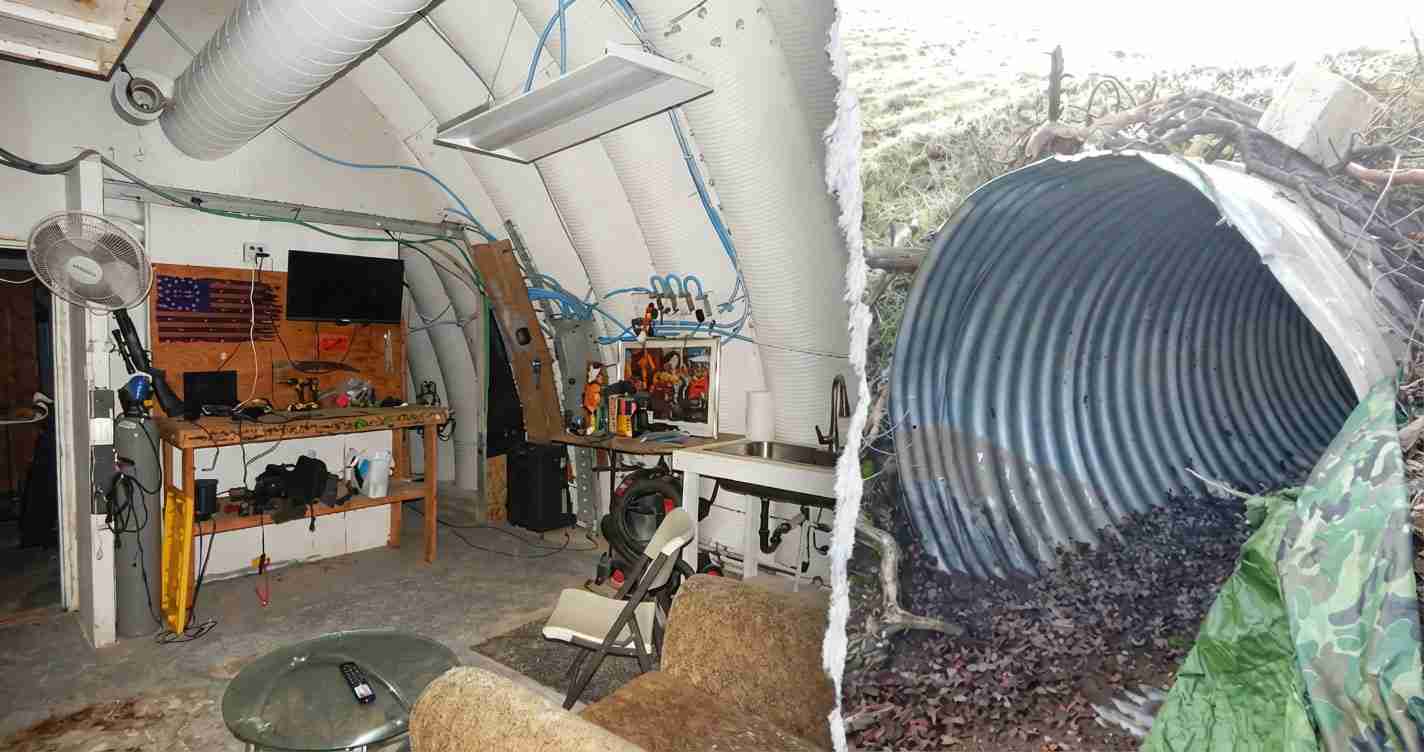
- Discovery: Investigators found a professionally built underground bunker accessed via a 100-foot culvert, fitted with power, ventilation and drainage for indoor cultivation.
- Weapons cache: Authorities seized 13 firearms, ~10,000 rounds of ammunition (including armor-piercing), four soft body armor vests and 30 high-capacity magazines.
- Charges: Kamfolt faces nearly a dozen felony counts, including manufacturing a ghost gun, possession/manufacturing of assault weapons, and possession of armor-penetrating ammunition.
Investigation and how the bunker was found
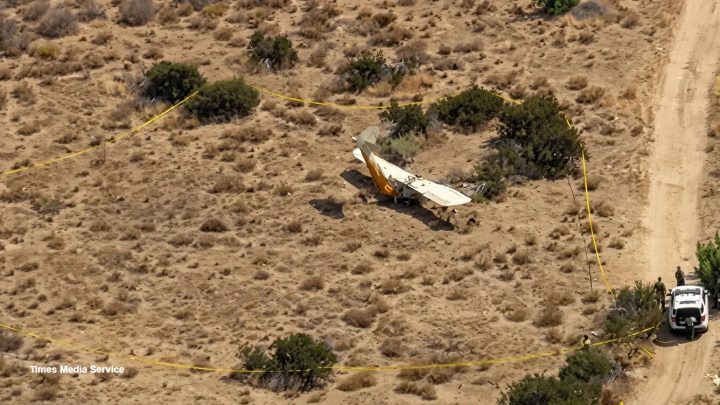
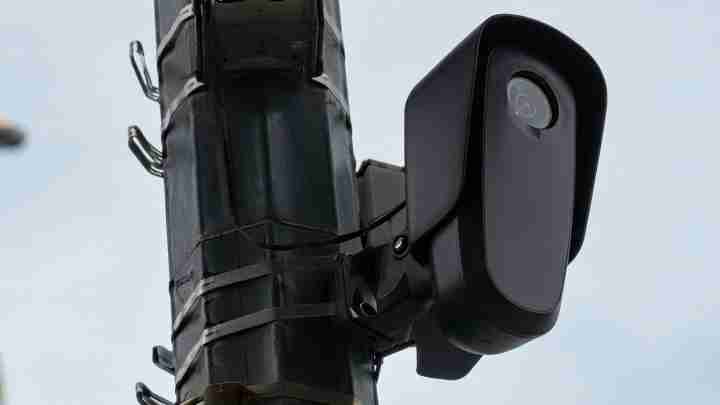
The California Highway Patrol said detectives first received a tip about a suspected illicit cannabis cultivation site in December 2025. CHP detectives conducted roughly a month of inquiries, including aerial surveillance, which led to a search warrant executed Jan. 20, 2026.
How the bunker was built and accessed
Officers discovered a professionally built underground bunker reachable through a 100-foot-long culvert. The structure featured power and ventilation systems, a concrete floor with built-in drainage, and equipment and supplies consistent with indoor marijuana cultivation.
“Far beyond an illegal grow,” CHP Northern Division Chief John Pinoli said, noting the concealed bunker plus the weapons cache posed a public safety threat to the region.
What officers found inside the bunker and on the property
CHP detailed a large and varied stockpile of weapons, body armor and ammunition seized during the search. Highlights of the evidence include:
- Guns (13 total): a sawed-off shotgun; three AR-15 style rifles (one with an obliterated serial number); two firearms listed as stolen (one stolen in 2016, another in 1978).
- Ammunition: roughly 10,000 rounds recovered, including armor-piercing rounds.
- Other gear: four soft body armor vests and 30 high-capacity magazines.
Firearms and ghost gun charges
Kamfolt was booked on nearly a dozen weapons-related felony counts, according to CHP statements and local reporting. Counts listed include:
- Possession of an assault rifle
- Manufacturing an assault rifle
- Manufacturing a short-barreled rifle
- Possession of a machine gun and converting a firearm into a machine gun
- Possession of armor-penetrating ammunition
- Possession of high-capacity magazines
- Manufacturing of a “ghost gun” (an assembled, unserialized firearm)
The ghost gun charge underscores a growing enforcement focus on unserialized weapons that are difficult to trace and often built from parts or kits.
Booking, bail and criminal history
Shasta County jail records show Kamfolt was booked after the Jan. 20 search and bail was set at $50,000. Local reporting indicates he was later released and is no longer in custody. Court records checked by local reporters show no prior criminal convictions for Kamfolt. The CHP continues to follow leads.
Law enforcement perspective and public safety concerns
CHP officials stressed this was more than an illegal grow. The combination of a concealed, reinforced bunker and a sizable supply of dangerous weapons prompted warnings about public safety risks for first responders and the surrounding communities.
Experts noted the inventory—high-capacity magazines, armor-piercing rounds, body armor, obliterated serial numbers and stolen firearms—raises concerns about planned resistance, illegal trafficking and efforts to conceal weapon origins.
Local reporting and community reaction
Local media and residents expressed strong concern about safety and potential violence associated with illegal grows. The discovery renewed calls for enhanced enforcement, resources for rural law enforcement, and better reporting mechanisms for suspicious activity.
Broader implications for California
Economic: Illegal cultivation can undercut licensed businesses, reduce tax revenue and increase cleanup costs when fortified sites require remediation.
Public safety & policing: Cases like this require coordination among local sheriffs, CHP, state cannabis regulators and potentially federal agencies when weapons or stolen property cross jurisdictions.
Political & social: The find may influence debates on enforcement priorities, bail policies and penalties for illegal firearms manufacturing, while heightening rural community fears about crime, environmental damage and fire risk.
Practical advice for residents
- Watch for signs of illegal cultivation: unusual water use, electrical tampering, new fences or frequent unknown visitors.
- Report tips to law enforcement; avoid direct confrontation with suspected growers.
- CHP noted the initial tip that led to this discovery came from a member of the public.
Ongoing investigation and next steps
Detectives will continue tracing the origin of seized weapons, the scope of the cultivation operation and follow additional leads. Prosecutors will ultimately decide which counts to pursue based on evidence developed during the ongoing investigation.