
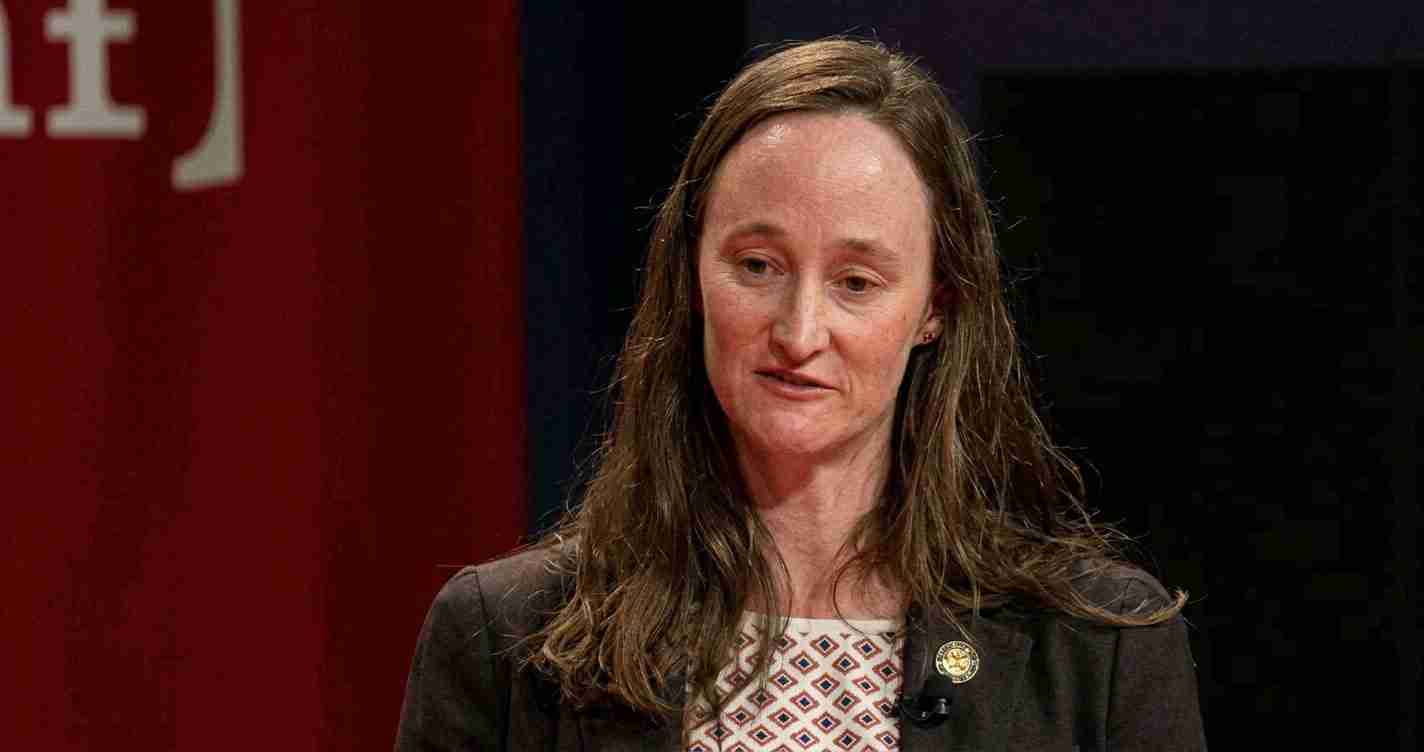
Seattle Mayor Katie Wilson’s “Bye” to Millionaires Draws Fire as City Weighs Progressive Taxes
Seattle, Washington (Times Media Service) — Seattle Mayor Katie Wilson’s offhand ‘bye’ to millionaires considering leaving over progressive taxes drew sharp criticism, fueling debate about the state’s new millionaire surcharge and the city’s options for raising progressive revenue amid budget shortfalls.
Key takeaways
- Wilson defended Washington’s 9.9% tax on income above $1 million and said she is exploring city-level progressive options while trying not to raise employment costs.
- The “bye” remark—delivered at a Seattle University event—sparked backlash from tech leaders and conservative commentators and circulated as a viral clip.
- Evidence is inconclusive: as of May 2026 there is no clear, independent data showing a measurable exodus of millionaires tied to the state tax.
- Policy trade-offs remain central: officials must weigh uncertain migration risks against immediate budget needs and equity concerns.
What Wilson said and the context
At a Seattle University Conversations event on April 14, Mayor Katie Wilson said progressive taxes were not “easy” but expressed support for the state’s recently passed 9.9% surcharge on personal income above $1 million. She called Washington’s broader tax system “very regressive,” and said the city and county have more flexibility to pursue progressive options while trying to avoid higher employment costs.
When pressed whether progressive taxes were an “easy and promising solution,” Wilson answered that they were not easy and added the now‑noted line:
“if — the ones that leave, like, bye,”
a remark that provoked laughter and cheers; video of the exchange appears at video (39:09) on GeekWire.
Reaction from business and political observers
The comment quickly became a flashpoint. Tech industry figures described the line as dismissive of legitimate concerns about business investment and talent retention. GeekWire called the moment “no laughing matter to some in tech,” noting worries about competitiveness.
Conservative outlets amplified the clip as evidence of an anti-business stance; National Review framed it as a politically charged incident. A critical YouTube clip mocked the remarks as emblematic of progressive politicians welcoming wealthy departures.
Supporters’ perspective
Proponents defended Wilson’s broader point: state tax policy is regressive and relies heavily on sales and payroll taxes that weigh more on low-income households. Wilson and allies point to policy work she has supported, including the JumpStart payroll tax proposal to fund libraries, parks and shelter, and to academic research arguing for tax reform.
What the data show — and what they don’t
Key question: do higher taxes push millionaires and companies to leave? Business leaders warn of mobile high-earners and firms; progressive advocates say evidence of mass exodus is limited.
As of May 2026, reporting did not identify independent, comprehensive data linking the new state millionaire tax to a measurable outflow of millionaires. No state or federal reports have documented a clear migration pattern tied directly to the tax law, leaving policymakers to weigh uncertain economic risks against budget and equity needs.
Policy background
Washington voters and lawmakers have long wrestled with a tax system many experts call regressive. The state’s new structure includes a 9.9% surcharge on personal income above $1 million, enacted to raise revenue from the highest earners. At the city level, Wilson has backed progressive revenue ideas like the JumpStart payroll tax to fund services after years of shortfalls.
Comparisons and political framing
Critics compared Wilson to other democratic socialists such as New York City Mayor Zohran Mamdani to frame concern about tax policy and the business climate. Supporters say the comparison is shallow and emphasize Wilson’s stated pragmatism: pursuing progressive revenue while addressing a structural budget deficit.
Implications for California
California readers and officials should watch several potential spillovers:
- Economic competition: firms weighing West Coast locations may consider tax and regulatory trade-offs among hubs including California cities.
- Talent flows: public comments perceived as dismissive of high earners can affect recruitment and mobility in tight tech labor markets.
- Policy messaging: the episode may be cited in California debates over progressive taxation and the need for impact studies.
- Budget parallels: cities balancing services and business costs may face similar political pressure around payroll or income levies.
Sources and further reading
- GeekWire: “Seattle mayor’s ‘bye’ to those who leave state over taxes is no laughing matter to some in tech”
- Katie Wilson campaign: Progressive revenue platform (JumpStart, regressive tax discussion)
- National Review: Commentary on viral moment
- YouTube clip critical of the remarks
Reporting note: Video of the April 14 Seattle University Conversations event contains the quoted remarks at 39:09; reporting shows no independent, comprehensive data as of May 2026 documenting a measurable exodus of millionaires tied to the recent Washington tax changes.


