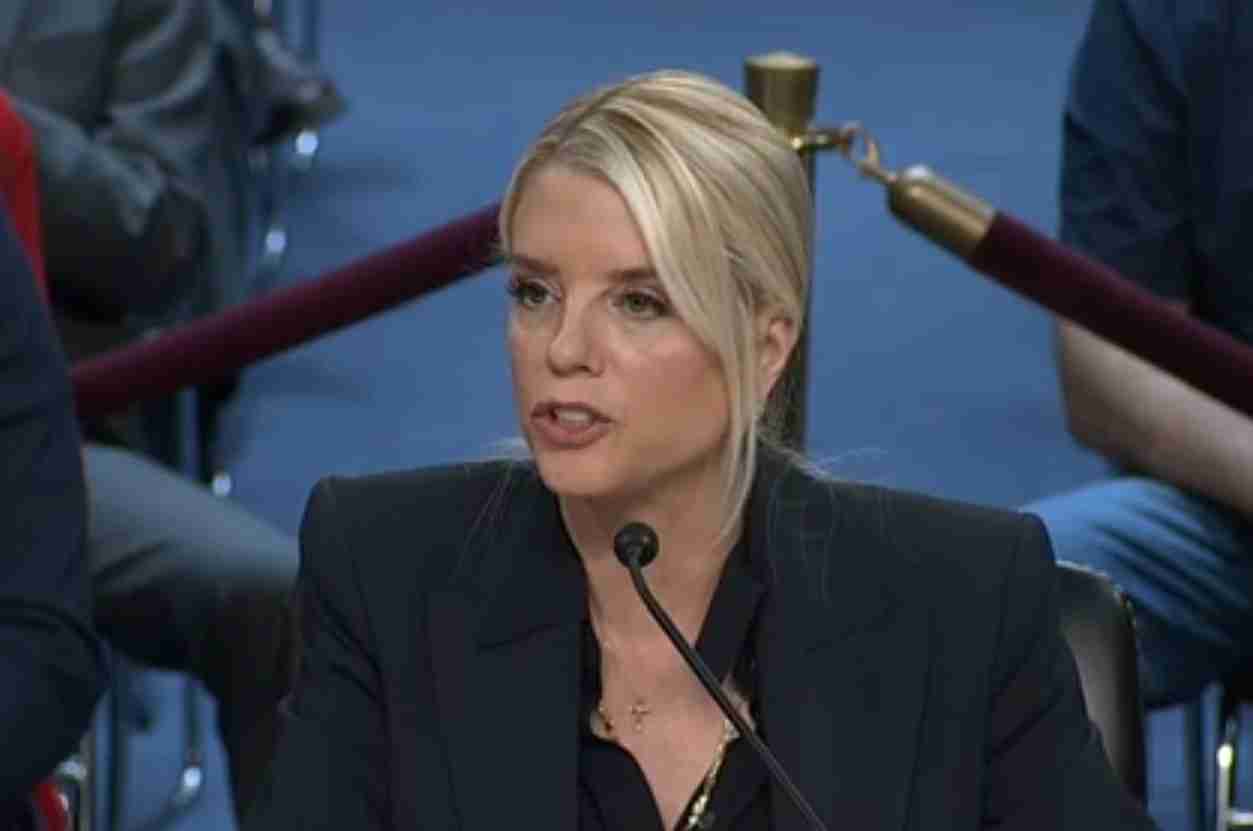
Pam Bondi Accuses Sen. Blumenthal of Lying About Military Service During Heated Senate Judiciary Committee Hearing
At a Senate Judiciary Committee hearing on DOJ oversight, former Florida Attorney General Pam Bondi accused Senator Richard Blumenthal of lying about his military service after he questioned her past lobbying, sparking a heated exchange over ethics and credibility.
Key takeaways
- Bondi accused Sen. Blumenthal of lying about his military record during a tense exchange at a Senate Judiciary Committee hearing.
- The hearing focused on alleged political weaponization of the Department of Justice and questions about lobbying and ethics.
- Video of the hearing is publicly available for review: Video of the hearing.
- Observers noted how credibility disputes can shift the focus of oversight hearings from policy to political theater.
Heated exchange at the Senate Judiciary Committee hearing
The confrontation unfolded as the Senate Judiciary Committee examined oversight of the Department of Justice. Senator Richard Blumenthal pressed Pam Bondi about her ties to a former law firm and whether conversations with lobbyists — including a person identified as Mr. Ballard — might have influenced the Justice Department’s handling of a lawsuit.
That line of questioning aimed to explore potential ethical concerns tied to lobbying activities and decisions to drop or pursue cases. The hearing included recorded materials and public testimony intended to probe whether outside influence affected DOJ decisions (video).
Bondi’s accusation and the exact charge
Bondi responded sharply, refusing to answer directly and instead turning the spotlight to Senator Blumenthal’s past statements about his military service. On camera she said:
“Senator Blumenthal, I cannot believe that you would accuse me of impropriety when you lied about your military service. You lied. You admitted you lied and yet you were elected a US senator. You lied about [it]. How dare you. I’m a career prosecutor. Don’t you ever challenge my integrity. I have abided by every ethics standard. Do not question my ability to be fair and impartial as attorney general.”
The moment grew tense on the record and was captured on video (video), drawing immediate attention on social platforms and in political coverage.
Blumenthal’s military service controversy: background
Senator Blumenthal has faced scrutiny for statements that implied he had served in Vietnam. Public records indicate service in the Marine Corps Reserves during the Vietnam era without deployment overseas. This discrepancy has been raised repeatedly as a credibility issue in political debates, and Bondi invoked it to question his moral authority to press ethics claims against her (video).
Context: oversight hearing and allegations of political weaponization
The session addressed broader allegations that the Justice Department has been used as a political tool. Lawmakers from both parties asked whether investigations and prosecutions have been selectively pursued against political opponents or protected allies, probing DOJ procedures and the role of political considerations in high-profile cases tied to both the Trump and Biden administrations (video).
Witness credibility and political strategy
The exchange illustrates a dynamic common in congressional hearings: when under attack, witnesses sometimes redirect scrutiny toward the accuser. Bondi’s tactic — questioning Blumenthal’s credibility — shifted the narrative from her actions and potential lobbying ties to a personal allegation about the senator’s past. For observers, such moments highlight how hearings can blend substantive inquiry with partisan positioning (video).
Reactions from both sides
Responses were swift and polarized. Supporters of Bondi praised her forceful defense; critics called the moment a distraction from oversight work. Moderates urged careful review of ethics questions rather than personal attacks, noting that scrutiny of former prosecutors’ private-sector lobbying is a valid oversight function.
Implications for California
The hearing’s themes resonate in California across economic, political, social, and cultural lines. Below are areas where the exchange may have local impact.
Economic impact: California’s legal and lobbying sectors
- Law firms and lobbyists that represent clients before federal agencies may face increased scrutiny and compliance costs.
- Companies doing business with federal entities might boost internal compliance to avoid entanglement in oversight inquiries.
Political consequences: messaging for California voters and officeholders
- Republicans could use Bondi’s reaction to argue oversight is politicized; Democrats may emphasize the need for rigorous investigations of lobbyist influence.
- California candidates and officeholders may recalibrate messaging around accountability and the role of oversight.
Social effects: public trust and civic engagement
- High-profile disputes can erode public trust in institutions, prompting skepticism about federal probes and hearings.
- Conversely, heightened visibility may spur demands for clearer ethics rules and more transparent lobbying disclosures.
Cultural relevance: California’s balance of reform and regulation
California’s emphasis on public accountability means the debate over DOJ oversight and political weaponization will resonate with voters who prioritize ethics and the rule of law. The episode intersects with local conversations about the revolving door between government and private practice.
Practical applications: what Californians may see next
- Businesses and former officials should review lobbying and engagement practices.
- Local media, watchdogs, and legislators may seek more transparency from California firms with Washington ties.
- Voters are reminded to scrutinize public figures’ backgrounds and the processes used to hold them accountable.
Sources and further reading
Primary video: Video of the Senate Judiciary Committee hearing