Alleged Mob-Run Scam Used Chauncey Billups, Damon Jones as “Face Cards” in Rigged Poker Ring, DOJ Says
Former NBA players Chauncey Billups and Damon Jones are named in a federal indictment alleging a mob-run scheme that used them as “face cards” to lure wealthy victims into rigged high-stakes poker games, prosecutors say.
Key takeaways
- Celebrity lure: Prosecutors say organizers used former NBA players as “face cards” to attract wealthy bettors — see Fox News.
- Scope of losses: The Department of Justice alleges the scheme ran since at least April 2019 and resulted in more than $7.15 million in targeted losses, per Ground News.
- Technical cheating: Authorities describe altered shufflers, hidden cameras, wireless signals and modified tables used to ensure victims lost, according to Ground News.
Main story
How prosecutors say the scheme worked
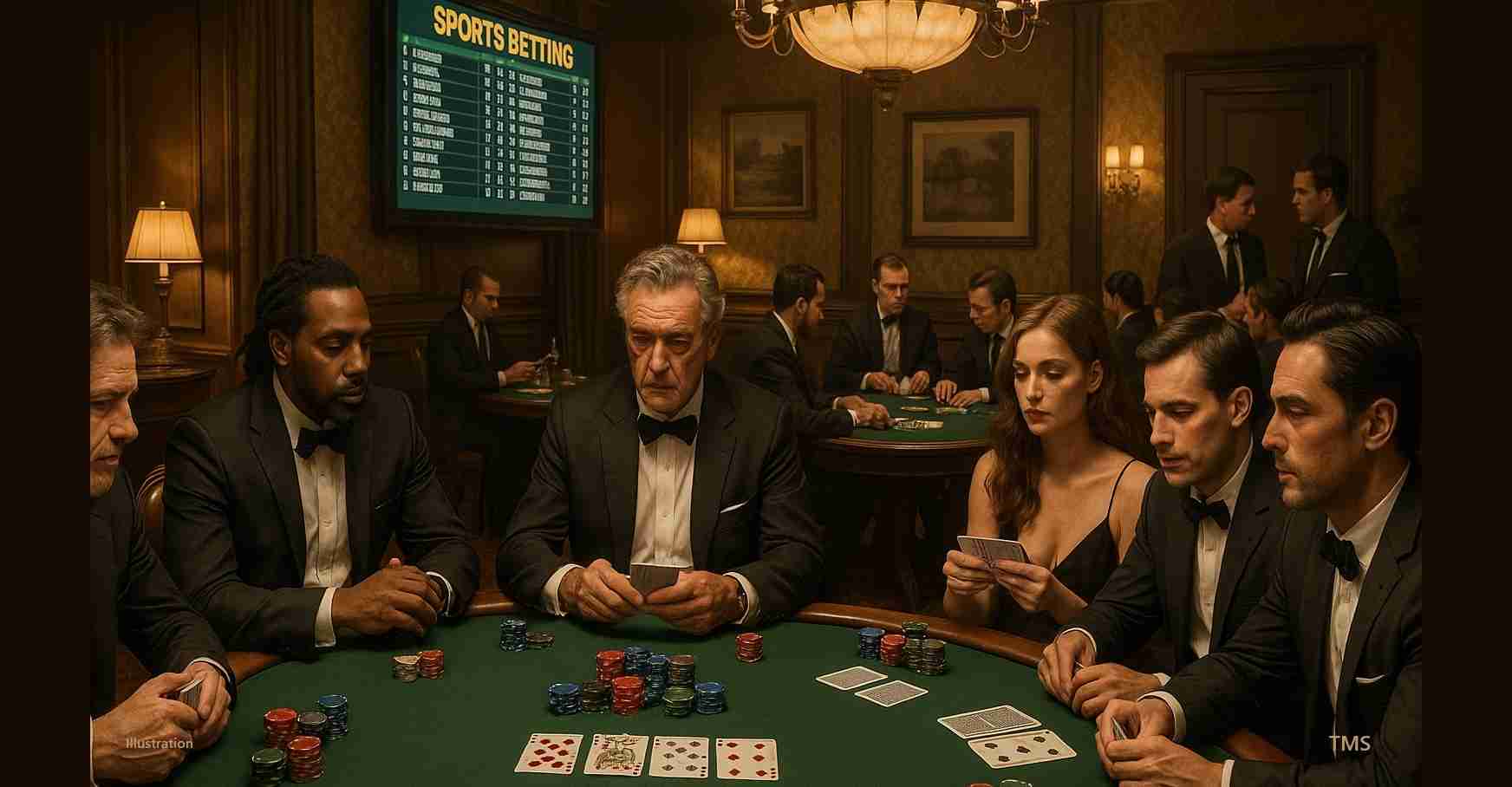
Federal filings portray a layered, organized-crime operation that ran illegal poker rooms and sports-betting enterprises. Prosecutors say organizers recruited athletes and public figures to attend curated games; these individuals served as marketing tools — “face cards” — making games appear exclusive and legitimate to wealthy targets. The role of celebrity attendance is detailed in reporting from Fox News.
Rigging methods described
Prosecutors allege a combination of electronic and mechanical tools enabled outcomes to be controlled: altered shuffling machines, special contact lenses, hidden cameras, wireless signaling devices, modified tables and off-site operators who could read hands and cue confederates. Investigators described the methods as sophisticated enough to fool experienced gamblers (Ground News).
Specific episodes prosecutors cite
Prosecutors point to episodes beginning in April 2019. In one Las Vegas game, they allege Billups participated in a session where at least $50,000 was taken from victims; investigators say texts discussed whether Billups should intentionally lose to avoid suspicion. Records cited also show large payments tied to appearances: Billups was allegedly wired $50,000 after one event, while Damon Jones reportedly requested and received a $10,000 advance — text messages about Jones were included in filings (Fox News).
Mob links and money flows
Federal filings tie the operation to multiple Italian‑American crime families. Prosecutors describe the poker rooms as part of a broader “financial pipeline” that supported organized-crime activities. Alleged laundering techniques included shell companies and cryptocurrency transfers intended to obscure proceeds and move money across jurisdictions (Ground News).
Law enforcement action and fallout
The Department of Justice has indicted 34 people on charges including conspiracy to commit wire fraud and money laundering. The FBI called the case “mind‑boggling fraud” due to the technical methods and scale. Arrests have been reported; several sports figures were detained and some teams placed implicated personnel on leave as they cooperate with investigators. Related reporting on suspensions appears via AOL and other outlets.
Investigators’ observations
Investigators emphasize that celebrity presence reduced suspicion, encouraging victims to wager larger amounts and accept play that seemed legitimate. Even skilled players were reportedly unaware of the signals and equipment modifications that steered outcomes, making detection difficult (Ground News).
Reactions from officials and sports world
Elected officials and sports leaders have expressed concern. Sen. Ron Wyden called the probe “very sad” in response to allegations involving a Trail Blazers coach, reflecting broader unease about corruption and community trust (Fox News). The NBA and teams reiterated policies against gambling misconduct and said they are cooperating with law enforcement.
Implications for California
Economic: California’s ties to legal gambling and sports entertainment mean celebrity-driven private events could see reduced attendance by high‑rollers and sponsors if trust erodes.
Political: The case may increase calls for tougher oversight of private gambling and celebrity involvement, prompting regulators and lawmakers to review vetting standards for cross‑jurisdictional events.
Social & cultural: Allegations that public figures were used to facilitate fraud could harm community trust, affecting charity events, fan relations and local sports culture across Los Angeles, the Bay Area and Sacramento.
Practical advice: Californians attending or hosting high‑stakes private games should insist on transparent rules, independent verification of shuffling equipment, and avoid events that rely solely on celebrity attendance as a guarantee of legitimacy.
Legal and regulatory follow-up
The DOJ and FBI are leading the federal probe; state regulators may review whether additional guidance is needed for charitable gaming, celebrity endorsements and cross‑state events. Lawmakers could consider clearer civil penalties for promoters and venues that fail to prevent cheating.
What to watch next
Key milestones will include the presentation of evidence in court, responses from defendants, and follow‑on filings that reveal the depth of alleged racketeering. California officials, leagues and private clubs will monitor outcomes to determine if stronger safeguards are required.
Sources
- Fox News, “How Chauncey Billups, Damon Jones were allegedly used to coerce victims into illegal poker games.”
- Ground News summary of DOJ filings, “Prosecutor describes rigged poker case involving former NBA players.”
- Fox News, “Oregon Sen. Ron Wyden reacts to FBI probe involving Trail Blazers coach Chauncey Billups.”
- AOL report on related suspensions.
“Prosecutors describe a layered scheme where celebrity attendance masked sophisticated cheating designed to extract millions from targeted bettors.”