Nancy Pelosi will not seek reelection in 2026, ending nearly 40 years representing San Francisco
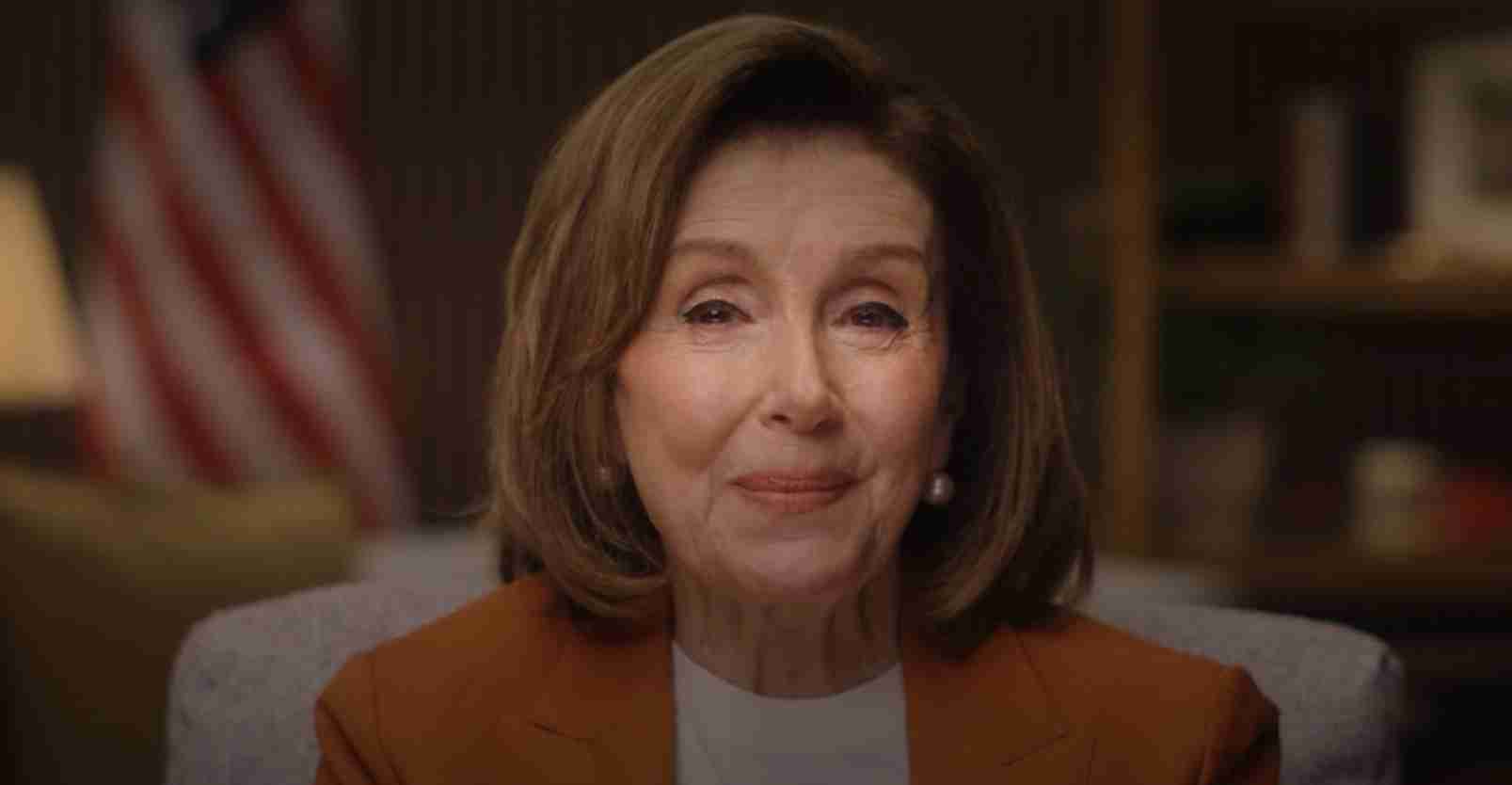
Nancy Pelosi, the trailblazing first and only woman to serve as Speaker of the U.S. House, announced on November 6, 2025, she will not seek reelection in 2026, ending nearly four decades representing San Francisco.
- Pelosi, 85, said she will not run in 2026, closing a nearly 40‑year career in the San Francisco delegation — reported by News3LV, WJLA and America Magazine.
- First elected in a 1987 special election, Pelosi built national influence, serving twice as Speaker (2007–2011; 2019–2023) and leading House Democrats for two decades.
- Legislative legacy: key accomplishments include passage of the Affordable Care Act and the Bipartisan Infrastructure Law.
Main story
Career overview: from a 1987 special election to the San Francisco Congress
Pelosi first won her seat in a 1987 special election and became a fixture of San Francisco politics. Over almost 40 years she was continuously reelected, growing from a local representative into a national figure as politics shifted from the late Cold War era to the polarized 21st century. See a video report and interviews and regional coverage by News3LV for background.
Historic leadership and legislative record
Pelosi’s rise reshaped congressional leadership. She led House Democrats for roughly 20 years (from roughly 2003 through 2023 leadership cycles) and served twice as Speaker — first from 2007 to 2011 and again from 2019 to 2023 — remaining the first woman to hold that post.
Her legislative imprint includes shepherding the Affordable Care Act through the House in 2010 and playing a central role in the passage of the Bipartisan Infrastructure Law in 2021, major Democratic achievements that reshaped health care and federal investment in infrastructure. (See America Magazine.)
Political influence, coalition building and fundraising
Pelosi was widely recognized as a powerful fundraiser and an organizer who could hold together a broad—and sometimes fractious—Democratic caucus. Supporters credit her tactical skill for party cohesion in moments of defeat and victory; critics argue centralized leadership sometimes constrained rank-and-file influence.
Her fundraising apparatus and endorsements shaped state and national contests for decades, and she often played a tactical role in countering Republican agendas while pursuing bipartisan measures when feasible (examples include global health initiatives supported across administrations). For further context, view the YouTube report.
Retirement announcement and public reaction
In announcing she would not seek reelection, Pelosi thanked constituents and urged civic participation, calling the next year “my final year of service.” The statement was released on November 6, 2025, and drew immediate national attention and commentary from allied and opposing leaders. Many praised her strategic acumen and legislative accomplishments; others highlighted controversies that marked parts of her tenure. (Coverage by News3LV and WJLA.)
“I look forward to my final year of service with a grateful heart,” Pelosi said, urging voters to remain active in the democratic process.
Legacy: accomplishments, controversies and the Speaker Emerita title
Pelosi leaves a record of legislative wins and deep influence. She was honored when she stepped back from formal party leadership with the informal title “Speaker Emerita.” That recognition underscored enduring respect from many colleagues and her role as a model for women in politics, even as critics note that her tenure featured sharp partisan fights and controversies that shaped an era of intensified legislative conflict.
What comes next for the House and San Francisco
Pelosi’s decision opens a high-stakes contest for her San Francisco seat and prompts questions about national Democratic leadership. House Democrats will need new leaders able to manage fundraising, messaging and intra-party policy fights. Her departure may accelerate moves by younger and more progressive members to seek leadership roles.
Locally, the San Francisco seat is expected to draw a crowded primary as Bay Area political groups, progressive organizers and moderate Democrats jockey to shape the city’s priorities in Washington.
Reporting and source note
This article draws on Pelosi’s public announcement and reporting from multiple outlets:
- Video report and interviews
- America Magazine profile
- News3LV regional coverage
- WJLA reporting
- News4SanAntonio summary
Implications for California
Economic impact
Pelosi’s departure may shift federal attention and resources tied to San Francisco priorities. As a seasoned advocate for federal investment—especially in infrastructure, housing and research—her absence means a new representative will need time to build seniority and committee influence. Local officials and business leaders may need to forge fresh ties in Washington to protect funding for transit, climate resilience and tech‑sector grants. (See America Magazine.)
Political consequences
For California’s moderate conservatives and centrists, Pelosi’s exit removes a familiar national target and creates a test for Democratic unity. Although the seat is safely Democratic, the next representative’s ideology could nudge San Francisco’s voice left or toward a more pragmatic center. Statewide, leadership realignment in the U.S. House could affect delegation negotiations on immigration, federal spending and regulatory policy.
Social effects
Pelosi’s long service formed part of San Francisco’s civic identity. Her retirement will reshape local political networks, donor circles and neighborhood outreach. Civic groups that relied on Pelosi-era access must adjust to new staff and priorities. Voters valuing steady representation may turn out in higher numbers for the 2026 primary as residents weigh the city’s future direction.
Cultural relevance
As the first woman Speaker, Pelosi’s role carries symbolic weight for women in politics. Her departure invites reflection on representation and mentorship in California politics and could spur momentum for more women candidates or a generational shift toward leaders from diverse backgrounds. (Background: America Magazine.)
Practical applications for residents
San Franciscans should expect heightened campaign activity, town halls and debates as candidates jockey to succeed Pelosi. Constituents who rely on federal services should maintain contact with district offices during the transition year to ensure continuity. Local leaders will watch committee assignments and vacancy timing closely because Pelosi’s seniority was key to securing federal resources.
Further reporting
Further coverage will track candidates who emerge for the San Francisco seat, shifts in House Democratic leadership and how Pelosi’s departure reshapes California’s influence in Washington. Initial reporting and primary developments will be followed closely by national and regional outlets, including News3LV, WJLA, America Magazine and regional bureaus such as News4SanAntonio.