Minnesota reports nation’s largest TMVII outbreak: Sexually transmitted ringworm spreads in Twin Cities
Minnesota is facing the nation’s largest known outbreak of TMVII (Trichophyton mentagrophytes genotype VII), a sexually transmitted fungal infection causing severe ringworm, with more than 30 confirmed or suspected Twin Cities cases since July 2025.
Key takeaways
- Agent: TMVII is a genotype of Trichophyton mentagrophytes, the fungus behind ringworm, athlete’s foot and jock itch; public reporting is detailed by CBS News Minnesota.
- Transmission: Spreads primarily via intimate skin-to-skin contact and contaminated linens or surfaces (see CIDRAP); avoidance of sexual contact during treatment is advised.
- Treatment: Often resistant to OTC creams and typically requires prolonged oral antifungal therapy for weeks to months (Fox News).
Main content
What is TMVII?
TMVII is a genotype of Trichophyton mentagrophytes, a dermatophyte long known to cause common skin infections such as ringworm, athlete’s foot and jock itch. What sets TMVII apart is its documented pattern of spread through sexual networks; public health notices highlight this unique transmission route (CBS News Minnesota, Fox News).
How the Minnesota outbreak unfolded
Minnesota’s first confirmed TMVII case was reported in July 2025. State alerts and local reporting indicate 13 confirmed cases and about 27 suspected cases, totaling more than 30 confirmed or suspected infections in the Twin Cities. The initial U.S. identification occurred in New York in 2024, and the CDC has since confirmed cases in multiple U.S. cities. Reporting and local response are described by CBS News Minnesota, KSTP, and Fox News.
Symptoms, appearance and who is at risk
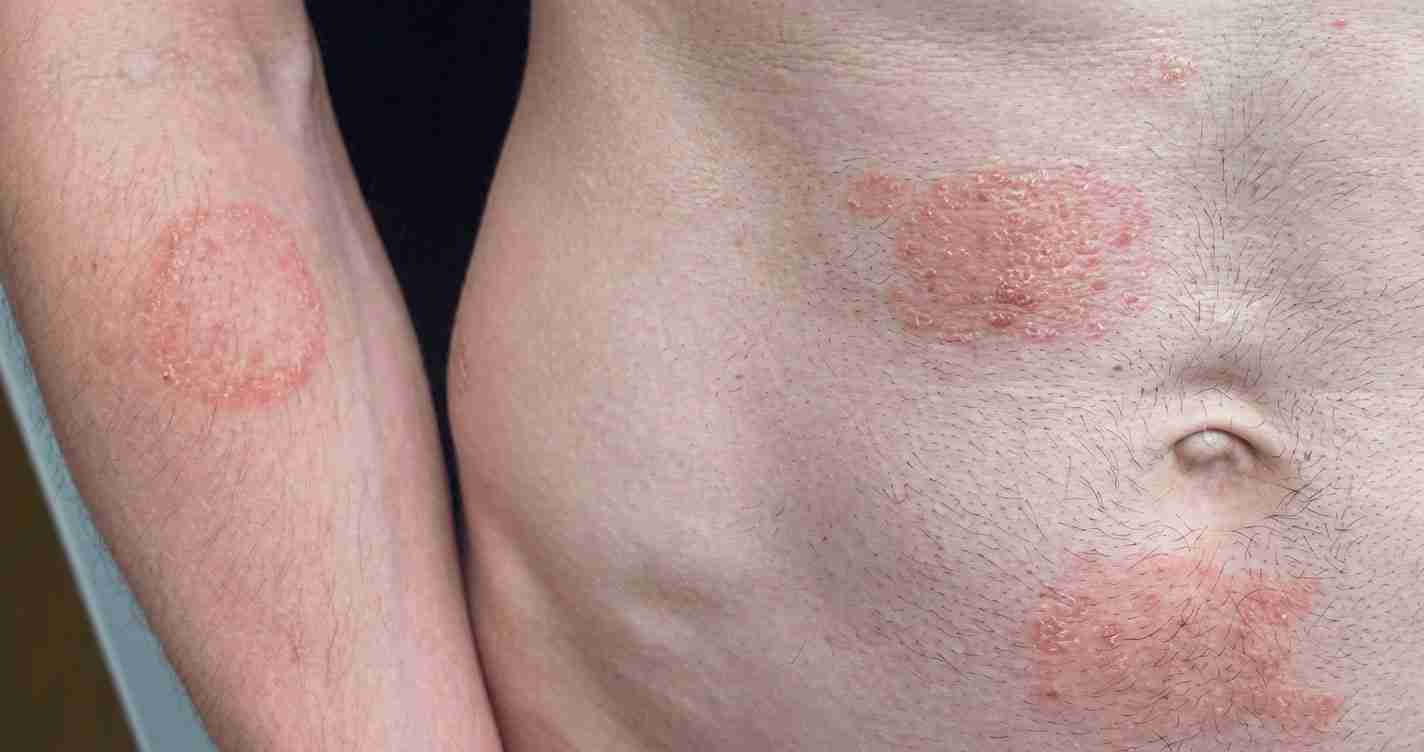
People typically develop round, coin-shaped red patches that may be scaly, itchy or painful. Lesions commonly appear on the arms, trunk, thighs, buttocks, genitals and perianal area and can mimic eczema or psoriasis, leading to misdiagnosis.
Cases have been reported more frequently among men who have sex with men and commercial sex workers, though anyone can acquire TMVII through close skin contact. Immunocompromised persons face higher risk of complications (CIDRAP, ABC3340).
Diagnosis: what clinicians are doing
Because TMVII can resemble other dermatologic conditions and may not respond to topical treatments, clinicians rely on careful history-taking and laboratory testing. Health departments advise reporting suspected cases and submitting fungal isolates to public health labs for genotype confirmation.
Confirmatory testing usually requires a skin scraping and culture to identify the TMVII genotype and to track transmission clusters (Fox News, CIDRAP).
Treatment and what patients should expect
TMVII commonly requires prescription oral antifungal medication for several weeks up to three months to achieve full resolution — substantially longer than many typical ringworm cases that clear with topical creams. Patients are urged to complete the full course and return to care if symptoms persist (Fox News, CIDRAP).
Clinicians note the rash can be confused with eczema or psoriasis, so treatment response and lab confirmation are important to guide prolonged oral therapy. Dr. Hayden Andrews of UT Southwestern discussed such diagnostic confusion in coverage by Fox News.
Prevention and public health guidance
Minnesota health officials and infectious disease specialists recommend practical, non-stigmatizing steps:
- Avoid skin-to-skin contact, including sexual activity, until treatment is complete and a clinician clears you (CBS News Minnesota).
- Inform recent sexual partners so they can seek evaluation and treatment if needed (CBS News Minnesota).
- Do not share clothing, towels or bedding; wash linens on high heat and sanitize bathing areas to reduce surface spread (Fox News).
- Clinicians: report suspected cases and send isolates to state public health laboratories for confirmation (CIDRAP).
Public health response and surveillance
Minnesota established enhanced surveillance after initial reports and contact tracing to identify additional cases and transmission patterns. Officials are collaborating with clinics, sexual health programs and community groups to identify clusters and interrupt spread. The CDC has been notified and confirmed cases in multiple U.S. cities, indicating TMVII is not confined to Minnesota (KSTP, Fox News).
Implications for California
California clinicians—especially in sexual health and dermatology clinics in urban centers—should be aware of TMVII as a differential for round, itchy rashes that fail topical therapy. Health departments may consider alerts to providers and community organizations serving higher-risk groups to encourage reporting, partner notification and timely lab confirmation (CBS News Minnesota, CIDRAP).
Planning should include checking availability of prescription oral antifungals and anticipating increased demand for testing and treatment. Outreach must be clear, practical and non-stigmatizing, with special attention to vulnerable and networked populations to prevent rapid spread and severe complications (Fox News).
Reporting and more information
Health providers and the public can read the Minnesota Department of Health notice and follow CDC guidance as it becomes available. Local health departments should be alerted to suspected cases so isolates can be sent to public health labs for confirmation and contact tracing to begin (CBS News Minnesota, Fox News, CIDRAP).