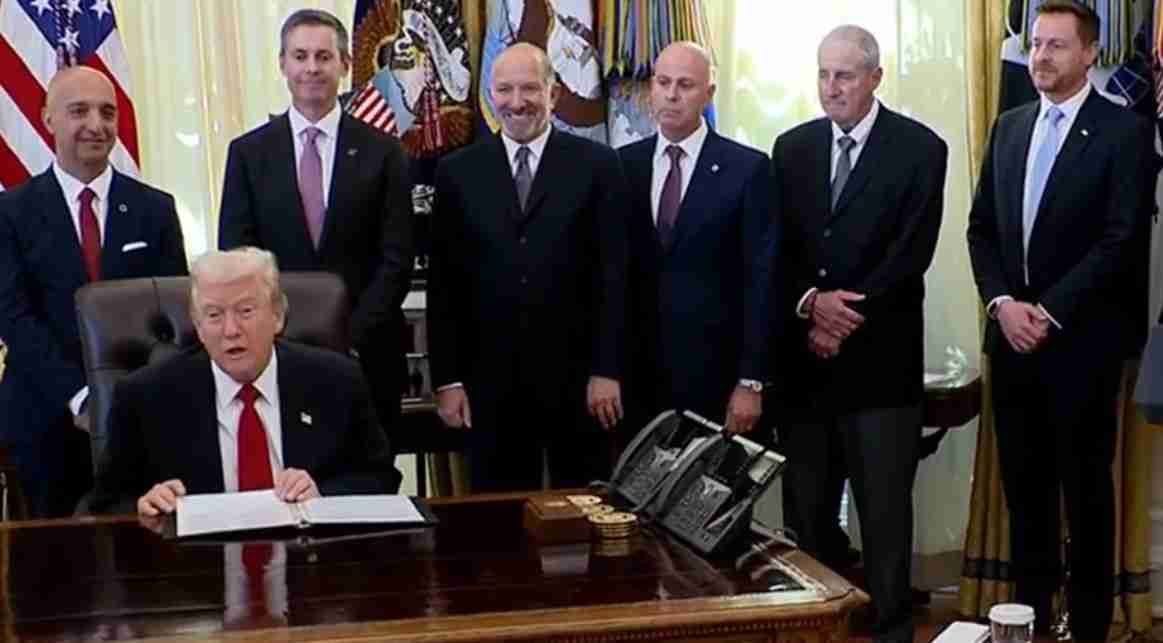
Trump, RFK Jr. and Dr. Oz unveil “MASSIVE” Medicare deal to expand coverage for weight loss drugs
President Trump, HHS Secretary Robert F. Kennedy Jr. and CMS head Dr. Mehmet Oz announced a major Medicare agreement to expand coverage for prescription weight‑loss drugs — a move expected to give millions of beneficiaries new access to these therapies.
Key takeaways
- Who announced it: President Donald Trump, HHS Secretary Robert F. Kennedy Jr., and CMS Administrator Dr. Mehmet Oz jointly announced the policy shift. Source: Fox News video
- What the deal covers: A plan to expand Medicare drug coverage to include prescription weight‑loss drugs — often GLP‑1 medications — that until now were generally not covered.
- Who is affected: Millions of Medicare beneficiaries, including older adults and people with disabilities who meet clinical criteria, could gain access under the federal program.
- Open questions: Timeline, specific drugs, eligibility rules, clinical guidance and cost negotiations were not released.
What was announced and why leaders called it “MASSIVE”
In a joint appearance, the president and top health officials described a major change to Medicare drug coverage aimed at expanding access to treatments that help patients lose weight. Officials framed the move as a response to rising rates of obesity and related chronic illness among older Americans, calling it a significant expansion of Medicare benefits.
“MASSIVE” — the word used by officials to emphasize the policy’s scale and potential impact on beneficiaries and the healthcare system.
The announcement referenced recent clinical results for drugs such as semaglutide (branded as Wegovy and Ozempic) that have shown substantial weight‑loss effects. Historically, Medicare has not covered most prescription weight‑loss medications, making this a notable policy shift.
Why this matters: health and budget perspectives
For patients: Expanding Medicare coverage could lower out‑of‑pocket costs and increase supervised access for seniors who might otherwise seek off‑label or unregulated alternatives. Increased access could improve management of obesity and associated conditions.
For the federal budget and taxpayers: Covering a new class of drugs for a large population could materially change Medicare spending. The fiscal impact will depend on which drugs are included, eligibility breadth, and whether price negotiations occur.
For physicians and health systems: Clinicians will need clear guidance on eligibility, duration of therapy, monitoring for side effects, and coordination of care. Health systems may experience shifts in outpatient prescribing and follow‑up needs.
Missing details and open questions
The public announcement left several implementation issues unresolved:
- Specific drugs: No brand names or classes were enumerated by officials.
- Eligibility criteria: It is unclear which beneficiaries (BMI thresholds, comorbidities) will qualify.
- Timeline: No effective date or phased rollout plan was disclosed.
- Cost and negotiations: Officials did not state whether Medicare will use negotiation leverage to lower prices or how increased demand will be financed.
- Program safeguards: Steps to prevent inappropriate prescribing, diversion, or fraud were not detailed.
Political context and potential reactions
The joint appearance of President Trump, HHS Secretary RFK Jr. and CMS Administrator Dr. Oz signals high‑level prioritization. Reactions will likely focus on:
- Fiscal responsibility: Supporters will demand aggressive price negotiation and oversight to protect taxpayers.
- Clinical evidence: Policymakers and clinicians will seek clear ties between coverage and proven health outcomes.
- Administrative oversight: Lawmakers and watchdogs will press for implementation details and enforcement plans.
The announcement may attract bipartisan interest because obesity affects Americans across parties and Medicare covers a broad cross‑section of voters.
What experts and advocates are likely to ask next
- Clear clinical guidelines that define who benefits most and how to monitor therapy.
- Long‑term effectiveness and safety data, particularly in older adults.
- Transparent price negotiations and strategies to limit taxpayer exposure.
- Monitoring systems to detect misuse, unsafe prescribing, or diversion.
Implications for California
Economic impact
California, with the nation’s largest Medicare population, could see substantial increases in prescription drug spending under Medicare if uptake is rapid and prices remain high. Conversely, if these therapies reduce rates of diabetes, heart disease and other costly conditions, the state could realize long‑term savings in hospitals and chronic‑care costs.
Political consequences
State officials and California lawmakers will press for clarity on eligibility, pricing and oversight. Voters — especially older Californians and families — will watch rollout timing and out‑of‑pocket costs closely.
Social effects
Expanded Medicare coverage could reduce access disparities for lower‑income seniors, but regional variability and provider capacity may affect uptake. Provider training and guidance will be essential to ensure safe management of older patients with multiple conditions.
Cultural relevance
Broader access may align with California priorities on prevention and quality of life, but public trust will hinge on transparency about safety data and safeguards against overprescribing.
Practical steps for California beneficiaries
- Consult your doctor: Discuss risks, benefits and alternatives before pursuing weight‑loss drug therapy.
- Watch for official guidance: Monitor CMS, HHS and Medicare communications for eligibility rules and timelines.
- Understand costs: Check how Medicare Advantage or supplemental plans will handle coverage once rules are released.
Sources and reporting note
This report is based on the joint announcement by President Donald Trump, HHS Secretary Robert F. Kennedy Jr., and CMS Administrator Dr. Mehmet Oz, as reported by Times Media Service and covered in video reporting. The primary source for the announcement’s initial reporting is the Fox News video.
Original source URL: https://www.foxnews.com/video/6384656012112
Further details from CMS, HHS and the White House are expected to clarify the timeline, which specific drugs will be included under Medicare weight‑loss drug coverage, and the fiscal strategy for implementation.