Judge limits federal agent tactics in Minneapolis as court bars arrests, tear gas against peaceful protesters
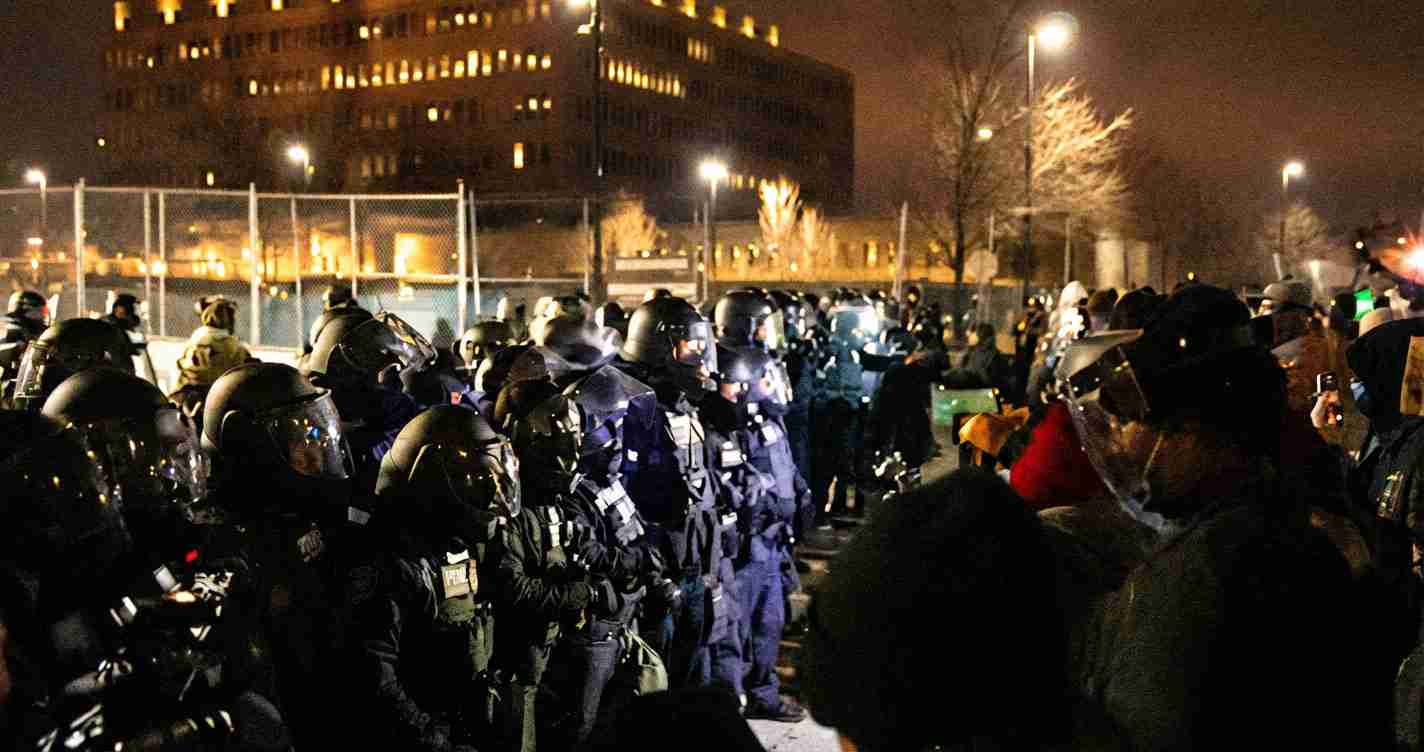
A U.S. District Judge in Minneapolis issued an 83-page order Friday significantly curtailing federal agents’ tactics during immigration-enforcement protests, barring arrests of peaceful demonstrators, pepper spray and nonlethal munitions, and detentions without reasonable suspicion, following a lawsuit alleging constitutional violations.
Key takeaways
- Judge Katherine Menendez issued an 83-page order forbidding arrests of peaceful protesters, pepper spray or chemical irritants, nonlethal munitions, and detaining drivers without reasonable suspicion during Minneapolis immigration enforcement actions. (Source: CBS News)
- The order responds to a lawsuit alleging First and Fourth Amendment violations; the judge found plaintiffs likely to succeed on those constitutional claims. (Source: CBS News)
- The ruling bars retaliation against peaceful protesters or observers and stays in effect until the federal Operation Metro Surge deployment concludes. (Sources: CBS News, Politico)
- Tensions escalated after an ICE agent fatally shot Renee Good; federal deployment exceeds 2,000 Homeland Security officials and a related grand jury inquiry has drawn political criticism. (Sources: CBS News, Politico)
Main story
What the Katherine Menendez order says
Judge Katherine Menendez’s 83-page order narrows permissible federal actions during immigration enforcement in Minneapolis. The order specifically:
- Prohibits arrests of people who are peacefully protesting or peacefully observing immigration enforcement.
- Bans the use of pepper spray or other chemical irritants and nonlethal munitions against peaceful demonstrators.
- Forbids detaining drivers without probable cause or reasonable suspicion that a crime was committed or that the driver is interfering with law enforcement operations.
- Forbids retaliation against anyone peacefully protesting or observing, including reprisals such as tracking protesters to their homes or revealing private information — actions the judge described as “disturbing.” (Source: CBS News)
Menendez reached the decision after plaintiffs provided testimony and accounts alleging unnecessary force and targeting of non-threatening individuals. She concluded plaintiffs were likely to prevail on First Amendment free-speech and Fourth Amendment unreasonable-seizure claims.
Why the ruling matters to federal operations
The order restricts tactics available to agents within Operation Metro Surge, a large federal deployment focused on undocumented immigration and alleged fraud in parts of Minneapolis. Federal attorneys argued aggressive responses were needed to confront “violent, obstructive, dangerous, and often criminal behavior” and to protect officers, while DHS officials said force had been minimal. (Sources: CBS News, Politico)
Importantly: the order does not stop Operation Metro Surge itself; it requires agents to demonstrate probable cause or reasonable suspicion before detaining people or using certain crowd-control tools.
Context: protests and the fatal shooting
The ruling follows intensified clashes after an ICE agent fatally shot Renee Good during confrontations that heightened scrutiny of use-of-force policies. Plaintiffs and advocates say the federal campaign chilled lawful protest and led to arrests of peaceful participants. (Sources: CBS News, Politico)
Federal response and investigations
The administration deployed more than 2,000 Homeland Security officials under Operation Metro Surge. A related criminal inquiry has produced grand jury subpoenas for Governor Tim Walz and Minneapolis Mayor Jacob Frey on allegations of impeding federal officials under 18 U.S.C. 372 — claims both officials reject as politically motivated. (Source: Politico)
Separately, Minnesota state officials have requested courts halt the federal crackdown entirely; that request remains pending. (Source: WABE)
Legal and practical questions ahead
- Defining “peaceful” vs. “obstructive”: The order requires probable cause or reasonable suspicion before stops or detentions, but field applications may be complex and contested.
- Potential appeals: No immediate appeal was announced; federal authorities may seek review to preserve enforcement options. (Source: Politico)
- Training and tactics: The ruling could prompt policy reviews on crowd control and engagement nationwide.
Reactions from both sides
Civil liberties groups and protesters hailed the order as a necessary check on federal power and protection for peaceful demonstrators. Plaintiffs described troubling conduct including following protesters home or revealing private information. (Source: CBS News)
Federal officials emphasized officer safety and the need to enforce immigration laws, saying some demonstrations crossed into obstruction or violence that can be criminal. Assistant Secretary Tricia McLaughlin stressed that the First Amendment does not protect rioting or obstruction. (Sources: CBS News, Politico)
Implications for California
Economic and operational impact:
- Federal enforcement posture: The Menendez order may lead federal agencies to reassess tactics in other jurisdictions, including California, to avoid similar legal challenges.
- Local costs and coordination: Local law enforcement in California that partners with federal agencies may need to adjust planning and resources for crowd management during protests.
Political consequences:
- State-federal relations: California officials monitoring the ruling may be emboldened to constrain federal actions via legal or policy means.
- Messaging for moderates: Officials and voters seeking public safety will look for standards that protect officers while respecting constitutional rights; the order emphasizes probable cause.
Social and community effects:
- Right to protest: Courts are scrutinizing federal policing of protests; this order reinforces protection for peaceful observers and participants.
- Immigrant communities: Some will feel relief at judicial protections for peaceful protest and concern about continued federal enforcement targeting immigration.
Cultural relevance and practical steps:
- Training: California agencies partnering with federal authorities may need updated training on detention standards and use-of-force policies emphasizing probable cause and nonretaliation.
- Public guidance: Community groups should inform residents about rights when observing or joining protests — peaceful protest is protected, but criminal acts are not.
Reporting and next steps
This remains a developing legal and political story. The Menendez order imposes new constraints on federal conduct in Minneapolis and could influence policing of immigration-enforcement protests nationwide. Federal officials may seek appellate review; state requests to halt the federal crackdown remain pending.
Primary sources and reporting include: CBS News, Politico, and WABE.