Dozens arrested as anti‑ICE protest declared unlawful outside Whipple Federal Building in Minneapolis
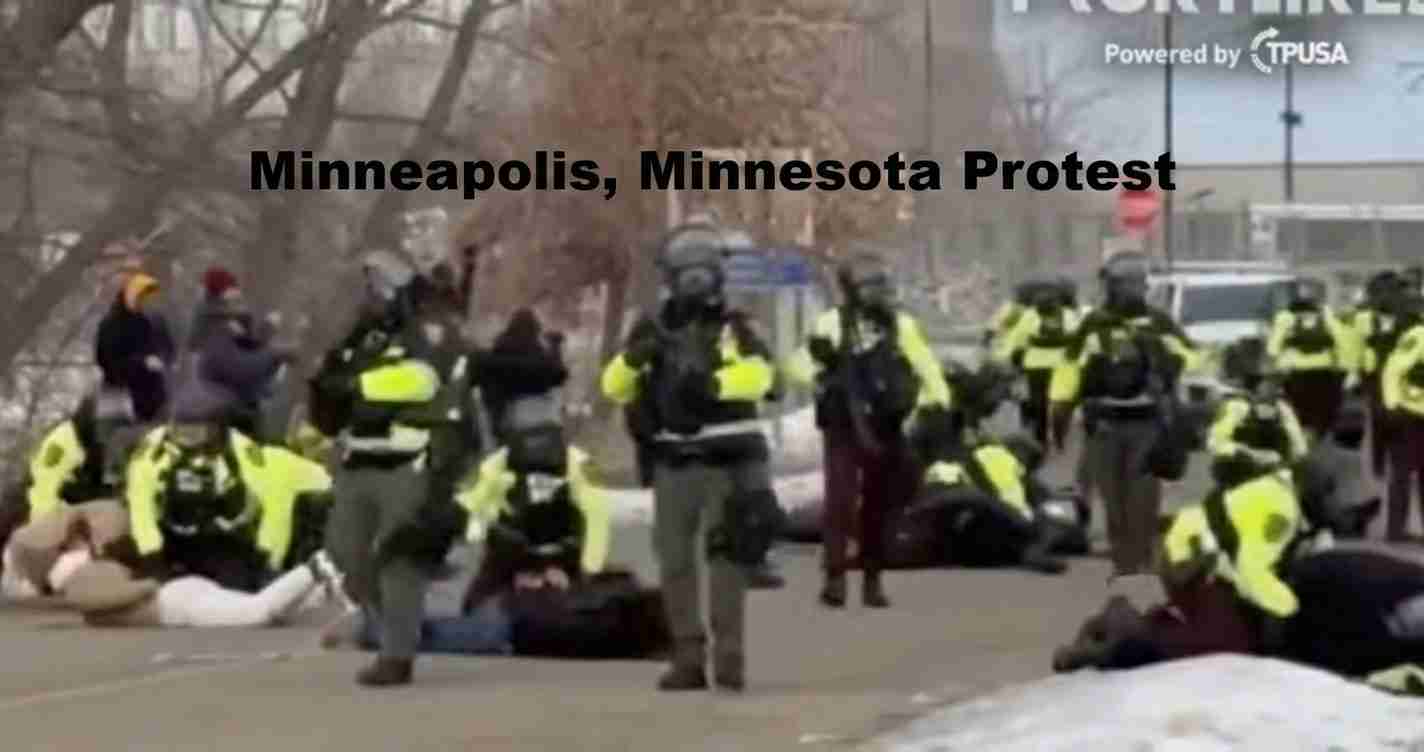
More than 50 protesters were arrested on Sunday, March 1, 2026, outside the Bishop Henry Whipple Federal Building in Minneapolis after authorities declared the anti-ICE demonstration an unlawful assembly amid allegations of dangerous conduct and obstruction.
Key takeaways
- At least 54 people arrested during the final event in a weeklong campaign against ICE and DHS.
- Law enforcement cited safety concerns — deputies said protesters blocked streets, scattered glass and threw projectiles at officers.
- Mutual-aid response included the Hennepin County Sheriff’s Office, Minnesota State Patrol and other agencies; many were cited and released.
- Local officials and organizers participated; organizers estimated about 750 attendees at Sunday’s actions.
Key information
- At least 54 people were arrested during the demonstration outside the Whipple Federal Building.
- The Hennepin County Sheriff’s Office cited and released 38 people and booked one person into jail on a riot-related charge.
- The Minnesota State Patrol confirmed an additional 15 arrests.
- Authorities say deputies issued dispersal orders after protesters allegedly blocked streets, scattered glass and threw rocks and other items at law enforcement.
- Organizers called the demonstration the finale of “Bring the Heat, Melt the ICE,” estimating about 750 attendees.
What happened at the Whipple Building
Protesters gathered outside the Bishop Henry Whipple Federal Building on Sunday as the planned final event of a week of actions opposing Immigration and Customs Enforcement (ICE) operations. According to law enforcement, deputies issued dispersal orders after people allegedly blocked roadways, obstructed access to local businesses, dumped glass into streets and threw rocks, chunks of ice and water bottles at officers — actions deputies called “a serious public safety hazard.”
“Freedom of speech and peaceful assembly is a right. Endangering the public is not,” the sheriff’s statement said, warning that unlawful activity would not be tolerated.
Video and reporting from the scene showed officers moving to clear streets and detain participants. The Minnesota State Patrol assisted on mutual aid and documented arrests; reporters noted the deployment of chemical irritants and use of temporary restraints in some detentions. Officers from the Minnesota Department of Natural Resources also helped with the response. (Sources cited below.)
Arrests and processing
Booking and citations: The Hennepin County Sheriff’s Office reported that 38 people were cited and released and one person was booked into jail on a riot-related charge, while the Minnesota State Patrol confirmed 15 additional arrests, producing a minimum total of 54 arrested.
Officials emphasized the distinction between protected, peaceful protest and criminal conduct: intentionally creating hazards, blocking roads or engaging in assaultive behavior can lead to arrest and prosecution. Law-enforcement statements and local reporting framed arrests as measures taken to protect people and property.
Organizers, participants and elected officials
The weeklong campaign, described by organizers as “Bring the Heat, Melt the ICE,” involved multiple events focused on resisting immigration enforcement and calling for abolition of ICE and the Department of Homeland Security. Organizers’ materials framed the actions as resistance to federal enforcement operations.
Local elected officials and public figures attended Sunday’s demonstration, including Minneapolis City Council member Jason Chavez and Minneapolis Park Board commissioner Kay Carvajal Moran, who were reported to have participated. Chavez urged the closure of the Whipple Building and pushed for faster reunification or return of detained relatives. Local accounts captured these interactions and statements.
Context: broader wave of anti‑ICE actions
The demonstration occurred amid heightened anti‑ICE activity across Minnesota and nationwide following several fatal shootings earlier this year that involved federal immigration agents in Minneapolis; those incidents have intensified public anger and mobilized activists. Federal enforcement efforts, including Operation Metro Surge, remain active in the state and contribute to local tensions.
Reporting on tactics used during arrests noted chemical irritants and temporary restraints; local outlets captured scenes of protesters confronting deputies and blocking access to the federal building and neighboring businesses. KSTP and Bring Me The News provided on-the-ground coverage.
Legal and public‑safety considerations
Legal experts note that the right to protest is robust but not absolute; courts allow reasonable time, place and manner restrictions. Actions that threaten safety, obstruct emergency access, or involve violence can justify law-enforcement intervention. Advocates caution against chilling lawful expression while responders address real threats. CBS News Minnesota summarized these legal perspectives.
Implications for California
Economic impact: Protests near federal buildings can affect nearby businesses and transit; California cities with large immigrant communities could see similar disruptions if national campaigns like Melt the ICE stage copycat events. Storefronts and small-business owners may experience revenue losses when streets are blocked or areas closed for safety.
Public safety and law enforcement: The Minneapolis events highlight the challenge of balancing free speech with preventing property damage and protecting officers and bystanders. California counties may review mutual-aid agreements and crowd-control protocols to prepare for large, sustained protests near federal or sensitive sites.
Political consequences: National campaigns against ICE are likely to resonate politically in California, where state and local leaders often clash with federal immigration policy. The arrests may prompt officials to seek clearer coordination with federal agencies or to press for dialogues that reduce tensions between enforcement actions and communities.
Social and community effects: Large immigration-related protests can deepen polarization in communities with sizable immigrant populations. Community groups and faith leaders can help de‑escalate by mediating, offering safe protest plans, and advocating for lawful, peaceful demonstrations.
Practical steps for California officials and residents
- Review protest-response plans and mutual-aid agreements with federal partners.
- Ensure clear communication channels between officials, businesses and community leaders ahead of planned demonstrations.
- Encourage organizers to plan lawful, peaceful assemblies that avoid blocking roadways or creating hazards that can lead to arrests.
- Businesses near federal facilities should prepare continuity and safety plans and coordinate with local authorities.
Sources and reporting
This article draws on reporting from local and national outlets, public statements from law enforcement, and coverage of the weeklong “Bring the Heat, Melt the ICE” campaign. Sources include:
Reporting compiled from the sources above; Times Media Service.