IDF Fortifies ‘Yellow Line’ Against Renewed Hamas Tunnel Threat as Gaza Cease-Fire Strains
IDF fortifies Gaza perimeter’s ‘yellow line’ in late 2025, increasing troops, sensors and underground barriers after intelligence of renewed Hamas tunnel activity, raising cease-fire strains and anxiety among Israeli border communities amid ongoing mediation efforts.
- Increased deployments: The IDF statement reports more troops, engineering units and surveillance systems along the yellow line.
- New detection measures: Seismic, acoustic and ground-penetrating monitoring plus underground barriers are being added to counter tunnel rebuilding efforts (BBC).
- Cease-fire pressure: Intelligence suggests Hamas is attempting to rebuild tunnels, increasing risk that tunnel activity could undermine the fragile truce (Reuters).
- Regional diplomacy: Egypt, Qatar and the United Nations press both sides to avoid measures that could break the cease-fire.
Fortifying the yellow line: what the IDF is doing
The so-called yellow line is a cleared, monitored buffer running along much of Gaza’s perimeter. Soldiers and engineers are visible working on reinforced barriers, sensor lines and rapid-reaction positions intended to prevent cross-border infiltration and to protect nearby Israeli communities.
Military units report increased patrols and specialized teams positioned near suspected tunnel entry points. The IDF official website notes deployments of engineering units, armored assets and command posts to shorten response times.
Technology in use: A layered detection approach combines seismic sensors, acoustic monitoring, and ground-penetrating radar, supported by integrated command centers to monitor anomalies beneath the border. The goal: reduce the window between detection and response and limit the potential for surprise attacks or hostage-taking operations (background on tunnel threats, Reuters reporting).
“These technologies shorten the time between detection and response, helping reduce the chance of surprise cross-border attacks,” IDF briefings said.
Why tunnels remain a top security threat
Hamas’ tunnel network has been used historically to move fighters, smuggle weapons and stage raids. Although Israeli operations destroyed many tunnels in prior conflicts, intelligence indicates efforts to rebuild or expand remain ongoing. Officials warn that tunnels capable of carrying fighters or explosives would be treated as a direct breach of the cease-fire (IDF).
Analysts emphasize that tunnels bypass surface defenses and can threaten civilian towns near Gaza, making subterranean detection and pre-emptive measures a central part of Israel’s deterrence and defense planning.
Cease-fire strains and the politics of deterrence
The current truce, mediated by Egypt, Qatar and the United Nations, has reduced large-scale fighting but remains fragile. Each side accuses the other of violations: Israel points to tunnel work and sporadic rocket fire, while Hamas cites Israeli incursions, surveillance and fortification as provocations.
Domestic pressures push Israel’s government toward decisive security measures, especially under public demands from border communities. International actors, however, urge restraint to avoid a wider ground offensive that could escalate civilian suffering and diplomatic fallout (Reuters).
Civilian fears and border-area life
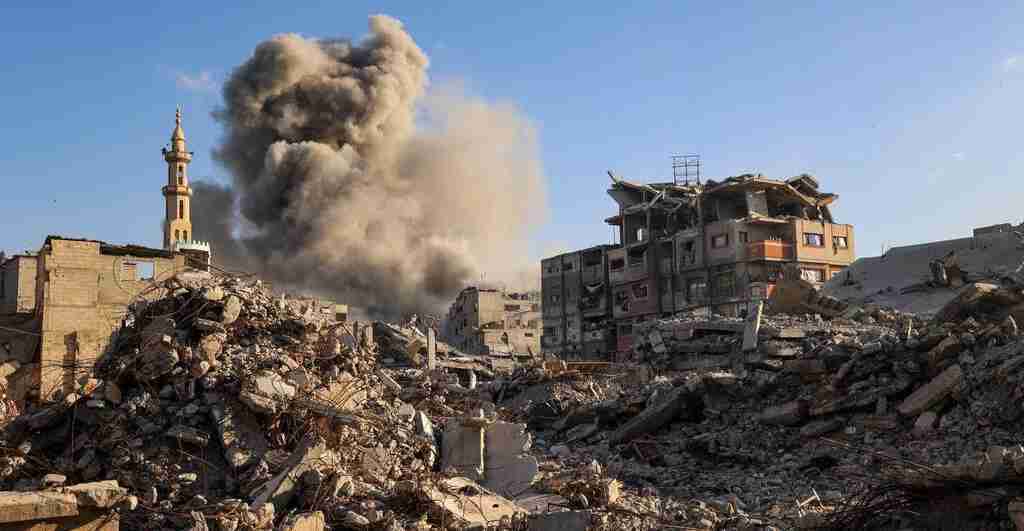
Residents of Israeli towns near Gaza report heightened anxiety—armored vehicles, engineering crews and trenches are stark reminders of past infiltration and rocket attacks. Local leaders demand clearer evacuation plans and robust shelter provisions.
On the Gaza side, Palestinians face restricted movement and economic pressure from a tightened perimeter. Hamas officials argue that Israeli fortifications and surveillance contribute to a climate that constrains daily life and increases humanitarian needs (UN OCHA; Al Jazeera).
Military technology and tactics in play
Israel blends hardened defenses with high-tech detection and rapid-response drills. The “smart border” model uses layered sensors and integrated monitoring to detect anomalous activity in real time. Engineering units build reinforced above- and below-ground barriers to impede tunneling.
The IDF conducts simulations of tunnel discoveries, hostage-rescue operations and rapid reinforcement of threatened points along the yellow line. Analysts note that improved sensors reduce—but do not eliminate—the risk, and that human intelligence and local cooperation remain vital (Times of Israel; Haaretz).
Hamas messaging and regional responses
Hamas frames continued preparations as legitimate resistance and presents Israeli fortifications as evidence of persistent occupation. Statements serve both local audiences and regional backers. Regional mediators—Egypt and Qatar among them—seek to prevent escalation and to verify allegations of tunnel work (Egypt ministry; Qatar foreign affairs).
The United Nations has warned that renewed conflict would deepen Gaza’s humanitarian crisis and destabilize the region.
Sources and verification
- IDF official website
- Reuters Middle East coverage
- BBC explainer on Gaza tunnels
- United Nations reporting
- Al Jazeera Gaza coverage
- Times of Israel and Haaretz reporting on border security
Implications for California
Economic impact
A renewed flare-up could push up global oil and shipping insurance costs, affecting fuel and shipping expenses for California ports and businesses. Higher insurance premiums and shipping disruptions may increase costs for importers in Los Angeles and Long Beach.
Political consequences
California’s large Jewish and Palestinian communities, and influential advocacy groups, can intensify local political debates and pressure elected officials. Leaders may be asked for clear stances while balancing humanitarian concerns and security priorities.
Social effects
Past Gaza escalations led to protests and counterprotests on campuses and in city streets. Local law enforcement and campus security should prepare for demonstrations and potential disruptions.
Cultural relevance and practical tips
Community institutions often mobilize for humanitarian relief or hold dialogues. Practical advice for Californians includes following travel advisories, verifying charities before donating, and preparing municipal and campus responses to protests and support needs.
Reporting notes
This article preserves official statements and reporting from the organizations and outlets listed above. Readers should consult original reporting and official channels for updates and verification as events develop.