Iran, Hezbollah carry out near‑simultaneous strikes on Israel; cluster munitions complicate air defenses, experts say
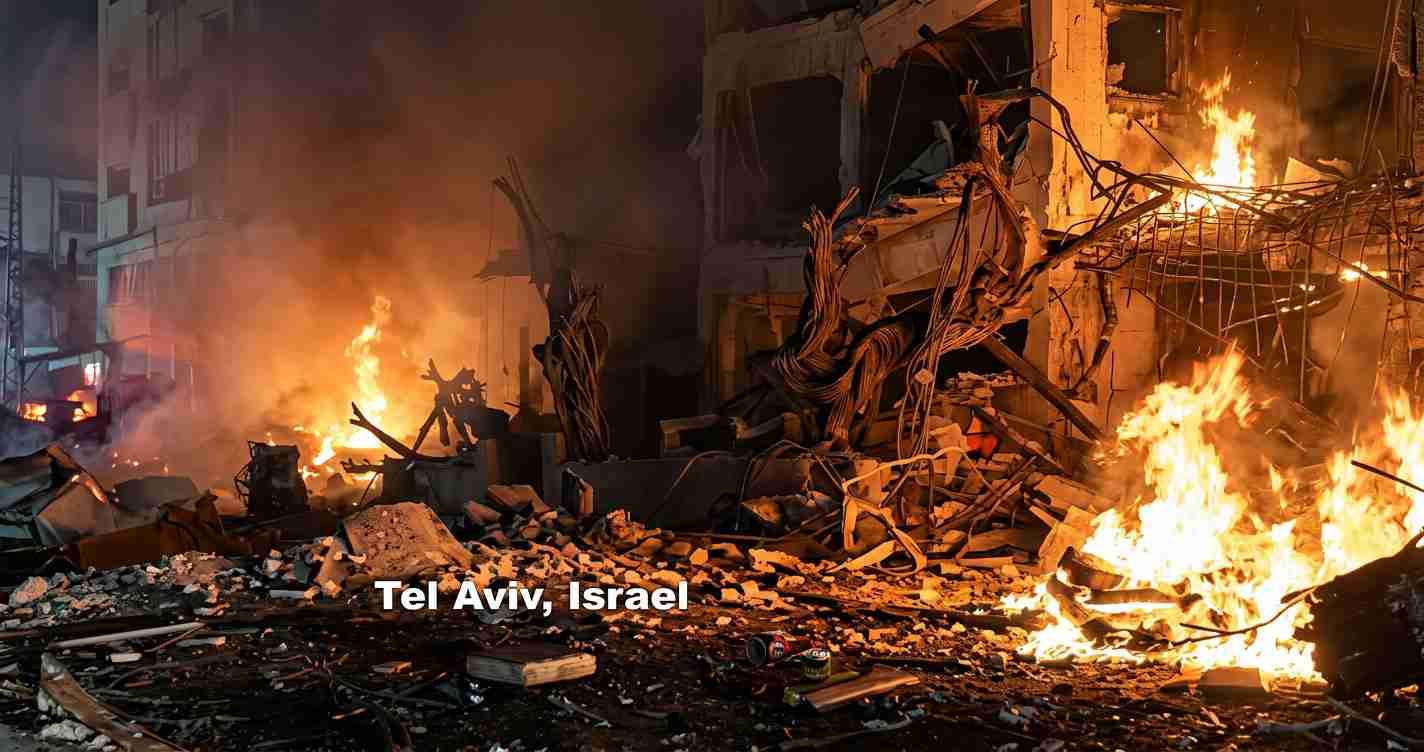
In early March 2026, Iran and Lebanon‑based Hezbollah launched near‑simultaneous missile, rocket and drone barrages against central and northern Israel, triggering widespread sirens and shelters; most projectiles were intercepted though some caused shrapnel injuries and localized damage.
Key takeaways
- Near‑simultaneous barrages: Multiple missile, rocket and drone salvos struck central and northern Israel in early March, pushing civilians into shelters and setting off widespread air‑raid sirens.
- Defenses held, but risks remain: Israel reported intercepting most threats, though some submunitions caused shrapnel injuries and localized damage.
- Cluster munitions complicate interception: At least one Iranian missile reportedly dispersed cluster bomblets at altitude, creating many hard‑to‑intercept submunitions across wide areas.
- Coordination disputed: Some analysts describe synchronized action by Tehran and Hezbollah, while other reporting finds no clear evidence of direct operational coordination.
Main report
What happened, and when
Between March 4–7, 2026, reporting describes waves of attacks in which Iran fired ballistic missiles and Hezbollah launched rockets and drones from southern Lebanon that reached central and northern Israel around midday and evening hours. One sequence cited Iranian missiles followed almost immediately by Hezbollah volleys, applying synchronized pressure on Israel’s defenses and cities such as Tel Aviv and areas near Haifa. See live coverage from Times of Israel live coverage, March 7, 2026 and field video reporting linked below.
The Israel Defense Forces (IDF) said it intercepted most incoming threats, including unmanned aerial vehicles, and reported limited injuries from shrapnel in the initial exchanges. Subsequent updates noted repeated sirens across the north and IDF strikes on Hezbollah infrastructure — including nodes in Beirut’s southern suburbs commonly known as the Dahiyeh — after evacuation warnings were issued.
Weapons, defenses and a new challenge: cluster munitions
A major complication for Israel’s layered missile‑defense network was the reported use of cluster munitions. Reporting and IDF briefings indicate at least one Iranian missile released a warhead that burst at high altitude, dispersing dozens of smaller bomblets across a wide area. Witnesses described some falling like orange fireballs at night — visual cues that make interception and discrimination harder for defenders.
Cluster submunitions are especially problematic because they produce many small, fast targets and create indiscriminate hazards on the ground. The operational tradeoffs for defenders include tracking high‑speed ballistic trajectories while also attempting to counter widely dispersed bomblets; analysts note that simultaneous salvos amplify this challenge.
Coordination: claims, counterclaims and intelligence gaps
Several Israeli analysts and on‑the‑ground sources described synchronized attacks, with Hezbollah launches timed alongside Iranian missile strikes. For example, Kobi Michael of the INSS said Hezbollah “has fully joined the war” and appeared “very well coordinated” with Iran in some exchanges.
“Hezbollah has fully joined the war … very well coordinated.” — Kobi Michael (reported remarks linked below)
However, other outlets urged caution. Aawsat reporting on disputed coordination claims cited sources saying there were “no indications” of direct operational links in some strikes. Given the fog of war and the mix of official statements, eyewitness video and media reports, intelligence services continue to assess the degree of planning and command linkage.
IDF responses and the wider campaign
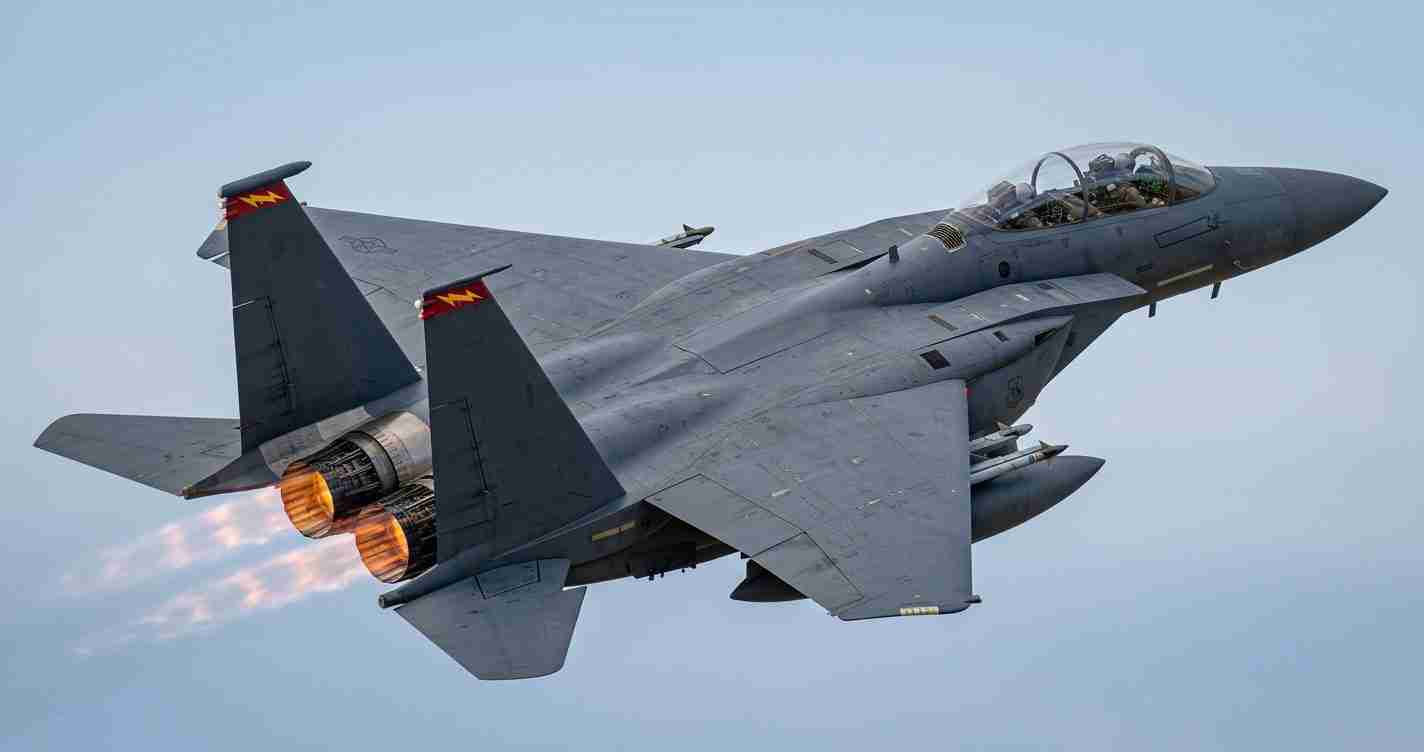
Israeli forces reported multiple retaliatory strikes targeting Hezbollah infrastructure in southern Beirut and continued strikes against Iranian facilities, including missile production sites and command nodes inside Iran. Israeli officials described these actions as part of a broader U.S.-Israeli campaign — reported in some outlets as video briefings on operations — now into its second week of high‑intensity activity.
Sources familiar with Hezbollah operations say the group has adapted by shifting toward small‑unit guerrilla tactics in south Lebanon, rationing heavier munitions and limiting radio use in anticipation of potential Israeli ground operations. Northern Israeli communities continued to report repeated sirens and shelter routines as exchanges persisted.
Voices on the ground
Kobi Michael, speaking from a shelter near Tel Aviv, emphasized that Iran’s reported use of cluster warheads and Hezbollah’s expanding role represent a dangerous escalation and called for measured American‑Israeli responses to counter what he described as indiscriminate attacks on civilians. See reporting with his remarks at JPost reporting including comments from Kobi Michael.
Other commentators and some intelligence reports urged patience before concluding the strikes were tightly synchronized command operations rather than parallel actions that happened to align temporally; that distinction affects both military planning and diplomatic responses.
International law and the cluster munitions question
The reported dispersal of bomblets raises legal and humanitarian questions. The 2008 Convention on Cluster Munitions outlaws the weapons for signatories and condemns their indiscriminate effects. Iran is not a party to the convention, but international law experts say use of weapons that cannot discriminate between military and civilian targets risks broad condemnation and could influence international support and legal framing of responses.
Reporting caveats and the information environment
Open‑source reporting on fast‑moving conflicts is often fragmentary. Video posts, local eyewitness accounts and official military statements create a mixed record. Some claims — including casualty figures, precise weapon intentions, and the operational relationship between Iran and Hezbollah — remain under verification by intelligence services and independent journalists.
Implications for California
Economic impact
- Energy and markets: A wider regional conflict could raise global oil and gas prices, affecting California through higher fuel and shipping costs and increased expenses for businesses and consumers.
- Trade and supply chains: Disruption or higher insurance costs in Middle East shipping lanes can ripple to California ports and manufacturers; companies with Israel or Iran links may see supply or staffing disruptions.
Political consequences
- Federal policy and defense posture: California’s congressional delegation will face pressure to balance support for Israel with calls for de‑escalation; state defense contractors and research centers may be drawn into planning.
- Local government: Cities with sizable Jewish and Iranian diaspora communities must prepare for constituent needs, consular issues and public events such as protests or vigils.
Social effects
- Community safety and tensions: News and imagery from the conflict can raise anxiety, prompt rallies and create school or workplace tensions; local leaders should prepare support and clear guidance.
- Mental health: Second‑hand exposure via social media can affect immigrant communities and military families; expanded counseling and community resources may be needed.
Cultural relevance & practical guidance
- Universities and institutions: Campus communities may request forums, support services or travel advisories for affected students and staff.
- Practical applications for Californians: Travelers should monitor State Department advisories; businesses should review continuity plans and insurance; local officials should set up hotlines and counseling; voters can follow congressional statements and town halls.
Sources and further reading
- Times of Israel live coverage, March 7, 2026
- Analysis and reporting on Iran‑Hezbollah coordination
- JPost reporting including comments from Kobi Michael
- Aawsat reporting on disputed coordination claims
- Video report: field coverage
- Video briefings: operations overview
- Video: northern Israel field reporting
Reporting sources: Times of Israel, JPost, Aawsat, field video briefings and open reporting listed above.