Tourist dies after entering closed Kīlauea caldera; Hawaiʻi Volcanoes National Park incident renews National Park safety warnings
A 33-year-old Hawaii resident died Feb. 27, 2026, after deliberately entering a closed section of the Kīlauea caldera in Hawaiʻi Volcanoes National Park; responders conducted an overnight search and airlifted him, underscoring the danger of ignoring closures.
Key takeaways
- Death after entering closed area: A 33-year-old Hawaii resident entered a restricted section of Kīlauea and later died after an overnight search and airlift to Hilo Benioff Medical Center (Big Island Video News, WBZ).
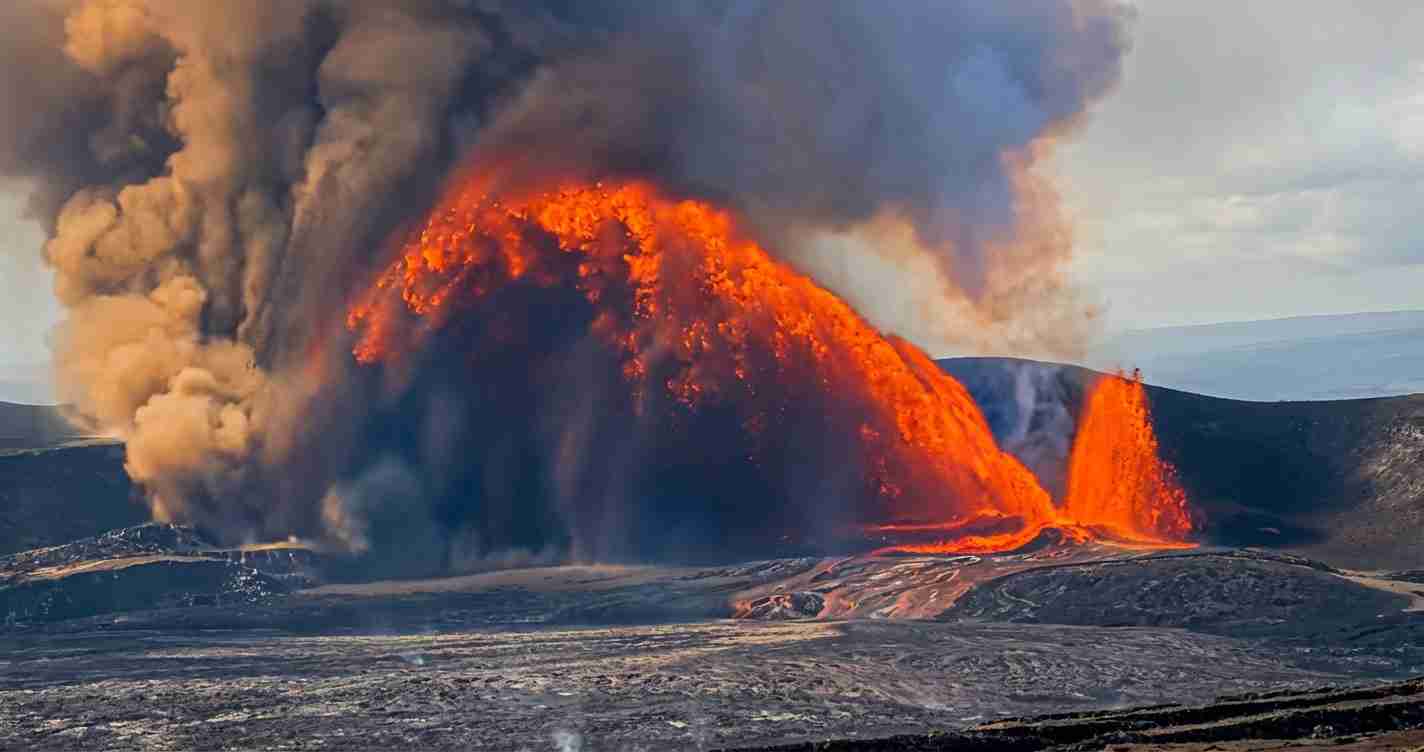
- Area was closed for safety: Kīlauea had intermittent eruptive activity since Dec. 23, 2024, and officials had closed hazardous zones to the public (Big Island Video News).
- Broader trend: Park officials warn this incident fits a growing pattern of off-trail and closure-ignoring behavior that endangers visitors and responders (Fox News, Fox4).
What happened at Kīlauea
Park rangers and emergency crews responded on Thursday, Feb. 26, after reports that a man had entered a restricted section on the east side of the Kīlauea caldera. Teams searched steep, unstable terrain — areas with hidden cracks, unstable cliff edges and other volcanic hazards — and located the man the next day. He was airlifted to Hilo Benioff Medical Center and pronounced dead on Feb. 27, officials said (Big Island Video News; WBZ).
Officials reiterated that the area had been closed for public safety. Kīlauea’s intermittent activity since late 2024 drew increased visitation, and park staff warned that when the volcano is active, conditions can change without warning: even when lava is not flowing, the ground can be unstable and geothermal gases or hidden fissures can be deadly (Big Island Video News).
“The area was closed at the time of the incident; unauthorized entry is condemned,” the National Park Service said as it opened an investigation into the circumstances surrounding the man’s decision to enter the closed zone (WBZ; Big Island Video News).
Broader pattern of off-trail incidents in national parks
Park officials and safety experts say this death is part of a troubling pattern of visitors ignoring warnings and leaving marked areas at major parks. As visitation to U.S. national parks has surged, so have accidents and emergency responses in remote or hazardous locations (Fox News; Fox4).
Officials cited recent examples including thermal-area incidents at Yellowstone — where nearly two dozen people have died from burns since 1872 — arrests for ignoring boardwalks and a 2025 jail sentence for a Seattle tourist who approached thermal features near Old Faithful. Other incidents include a June 2025 fall at Olympic National Park, a deadly misstep at Bryce Canyon in spring 2025, and wildlife attacks such as the 2024 bison goring at Yellowstone. Authorities say many of these begin when visitors ignore clear signs or safety rails to get closer for photos.
Expert view: risk perception and responsibility
Dylan Spencer, an assistant professor of criminal justice and criminology at Georgia Southern University, has studied disorder in national parks. In research co-authored in September 2025, Spencer and colleagues found that some people treat national parks like city parks or zoos rather than dynamic environments with real hazards (Fox News).
Bill Wade, executive director of the Association of National Park Rangers, told reporters that rangers repeatedly warn visitors but some ignore signs to get photos or closer views, often with dire results (Fox News).
Park response and the investigation
The National Park Service said the area was closed at the time of the incident and condemned unauthorized entry. Officials are investigating the circumstances surrounding the man’s decision to enter the closed zone and whether additional safety measures or signage are needed (WBZ; Big Island Video News).
Rangers emphasized that when Kīlauea is active, conditions can change without warning and closed zones remain dangerous even between lava episodes (Big Island Video News).
Costs and strains on rescue services
Search-and-rescue operations in remote or hazardous park areas are costly and dangerous for responders. Overnight searches, technical rope work and helicopter airlifts put personnel at risk and divert limited resources. Park systems and local emergency services warn that preventable incidents strain budgets and can delay responses to other emergencies (Fox News; WBZ).
Legal consequences
Visitors who ignore closures or approach dangerous features can face arrest, fines or jail time. In 2025 Yellowstone prosecutors pursued criminal penalties against at least one person who violated thermal-area rules; officials say enforcement is part of protecting public safety and deterring willful rule-breaking (Fox News).
Implications for California
Why this matters to Californians: Residents form a large share of domestic visitors to national parks — including Hawaiʻi Volcanoes, Yellowstone and Yosemite — and a spike in preventable accidents could affect travel patterns, park funding and local economies tied to tourism.
Economic and resource impact: More rescues mean higher costs for parks and local agencies. California counties that host major parks already bear expenses for emergency response and medical care; rising off-trail incidents could push local governments to request more funding for search-and-rescue, trail maintenance and public-safety staff.
Political and policy consequences: Some voters emphasize personal responsibility and prudent use of taxpayer dollars. The incident strengthens arguments for clearer enforcement, stiffer penalties and more public education before visits; lawmakers and park managers may face calls to tighten rules and expand ranger patrols.
Social and community effects: Local communities depend on visitors for jobs and revenue. High-profile deaths and frequent rescues can damage a park’s reputation, discourage tourism and affect businesses from lodges to restaurants.
Practical steps for California visitors
- Plan ahead and check park alerts before your trip.
- Obey closures and posted signs; stay on marked trails.
- Avoid shortcuts or risky views for photos; respect wildlife and geothermal areas.
- Set expectations for guests: rules exist for safety, not inconvenience.
Where to find more information
For updates and official alerts check the Hawaiʻi Volcanoes National Park page and the National Park Service alerts. Local and national reporting on this incident is available from Big Island Video News, WBZ, Fox News, Fox4 and The Independent.
Authorities reiterate that obeying closures and staying on trails are the clearest ways to avoid such tragedies and to protect both visitors and the rescuers who answer calls for help.