
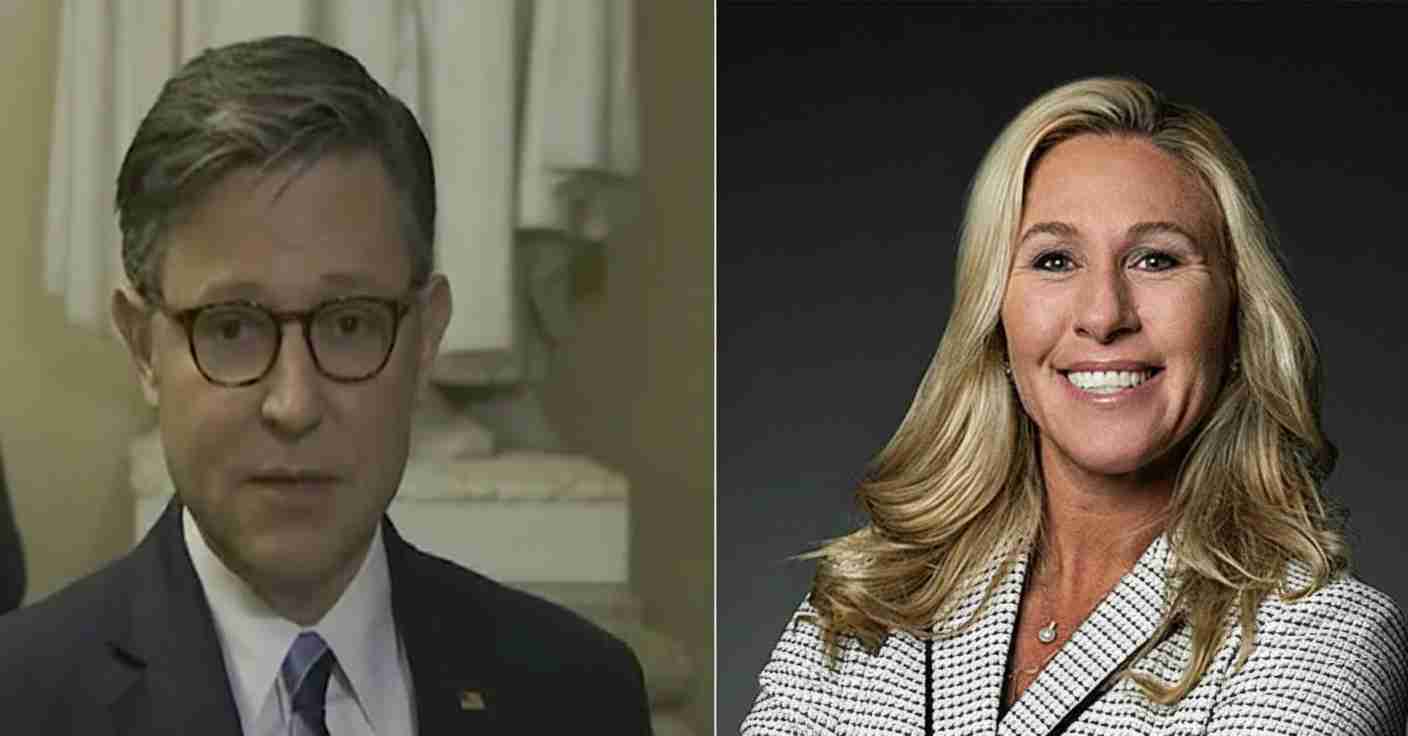
Greene-Johnson healthcare clash: Heated private GOP call erupts over shutdown strategy
A private GOP conference call on Tuesday erupted when Rep. Marjorie Taylor Greene demanded that Speaker Mike Johnson reveal the party’s healthcare plans amid a shutdown and looming expiration of expanded ACA tax credits, sparking a public spat.
- Internal rift: Greene confronted Johnson after he declined to outline a specific GOP health-care plan on the monitored call.
- ACA stakes: The dispute centers on expiring expanded ACA tax credits that could raise premiums for millions.
- Strategy clash: Johnson argued for private committee work; Greene pushed for transparency and aggressive tactics.
- Political risk: The public exchange complicates GOP messaging and the party’s shutdown negotiation posture.
What happened on the call
Participants say the Tuesday GOP conference call escalated when Rep. Marjorie Taylor Greene pressed leadership for a clear plan to protect patients if enhanced Affordable Care Act subsidies expire at year’s end. She repeatedly demanded specifics and criticized leadership’s visible lack of plans, arguing voters and rank-and-file members were being left without answers. (Ground News)
Speaker Johnson responded that health-care work was being handled in committees and behind closed doors and warned that airing details on a media-monitored call could allow Democrats to copy or counter GOP ideas. That defense failed to satisfy Greene, who argued withholding details left House Republicans and the public in the dark. (The Independent)
The tone and the follow-up
After the call, Johnson appeared on television and used the phrase “Well, bless her heart.” He added Greene was not yet part of committee work on health policy but said “she will be soon.” Greene amplified her criticism publicly, arguing the party needed both concrete plans and clear messaging for voters. (Johnson television appearance clip)
The exchange illustrated a broader tactical split: Greene urged hard-line measures, including calling on Senate Republicans to consider major procedural changes to overcome Democratic opposition, while Johnson favored private coordination and stepped-up pressure on Senate Democrats rather than public brinkmanship. (Ground News)
Why ACA tax credits matter now
Expanded tax credits lower monthly premiums for people who buy coverage on federal or state marketplaces. If those subsidies lapse at year’s end, many consumers could face higher costs or drop coverage, creating political risk for Republicans if voters blame the party for rising premiums or loss of coverage during a shutdown. (Ground News)
Reporting notes enrollment gains have included regions that voted for former President Trump in 2016, raising the stakes for Republicans to offer a credible alternative. Greene framed her push as answering rising voter anxiety; Johnson cautioned against prematurely exposing strategy before committees finalize legislation. (The Independent)
Sources and verification
This account is based on contemporaneous reporting from Times Media Service and other outlets that covered the private call and the public fallout. Because the call was private, no full public transcript exists; available accounts come from attendees, social posts from Rep. Greene, and Johnson’s media appearances. Key contemporaneous coverage is cited below. (Ground News; The Independent; television clip)
What this means for the GOP shutdown strategy
Unity is the central problem. Public sparring over policy details weakens negotiating leverage. Greene’s demand for transparency signals frustration on the party’s right flank that leadership is not moving fast enough; Johnson’s caution highlights the counterweight favoring private coordination. Both approaches carry political and practical risks.
In the short term, the feud makes it harder for Republicans to present a single plan to end the shutdown and address immediate health-care needs. Long term, internal fights over ACA tax credits and messaging will affect whether Republicans can present an alternative voters recognize and trust. (Ground News; The Independent)
Implications for California
Economic impact
- If federal ACA tax credits lapse, Californians on Covered California could face higher monthly premiums and greater out-of-pocket costs. (Ground News)
- A prolonged shutdown could slow federal payments for clinics and public-health programs, straining local systems and safety-net providers. (Ground News)
Political consequences
- Moderate conservative voters in California may view the clash as evidence the GOP lacks a clear federal plan on health care and budgets, harming messaging in suburban areas.
- State GOP officials seeking clearer plans may press national leaders for transparency; Greene’s firebrand tactics could energize the base but risk alienating swing voters. (The Independent)
Social effects
- Higher premiums or loss of subsidies would disproportionately affect middle- and lower-income Californians, potentially raising uninsured rates and increasing pressure on Medi‑Cal and local providers.
- Public anxiety about coverage during a shutdown could shift attention to state leaders and pressure California to expand local supports if federal aid is delayed. (Ground News)
Practical applications for residents
- Monitor announcements: Covered California enrollees should watch news on ACA tax credits and consult marketplace counselors about options.
- Prepare locally: Health providers and officials should coordinate outreach and contingency plans for people who may lose subsidies or face higher premiums. (Ground News)
Reporting and source links
- Ground News: Greene says Johnson refused to share health-care plans on GOP conference call
- The Independent: Mike Johnson, Marjorie Taylor Greene healthcare coverage
- Johnson television appearance clip
This article is based on reporting from Times Media Service and contemporaneous coverage of the private GOP call, public remarks by participants, and media interviews.



