Dozens killed as Hamas fights clans in Gaza amid Netanyahu prisoner exchange announcement
Dozens have died after intense clashes erupted in Gaza between Hamas forces and armed clans, notably the al‑Mujaida and Dughmush families, as Prime Minister Benjamin Netanyahu announced the start of a new prisoner-exchange amid a widening power vacuum.
- Heavy urban fighting: Street battles between Hamas units and armed clan members left dozens dead across multiple confrontations; see October 2025 Hamas raid in Khan Yunis and the ArmRadio report.
- Fragmented authority: Hamas, clans such as al‑Mujaida and Dughmush, and other militias exploit a weakened central authority; background at Gaza war and regional reporting like the Jerusalem Post report.
- Political overlay: Netanyahu framed an imminent prisoner exchange as a “new path,” per analyses including the Congress CRS briefing.
WHAT HAPPENED — CLASHES AND CASUALTIES
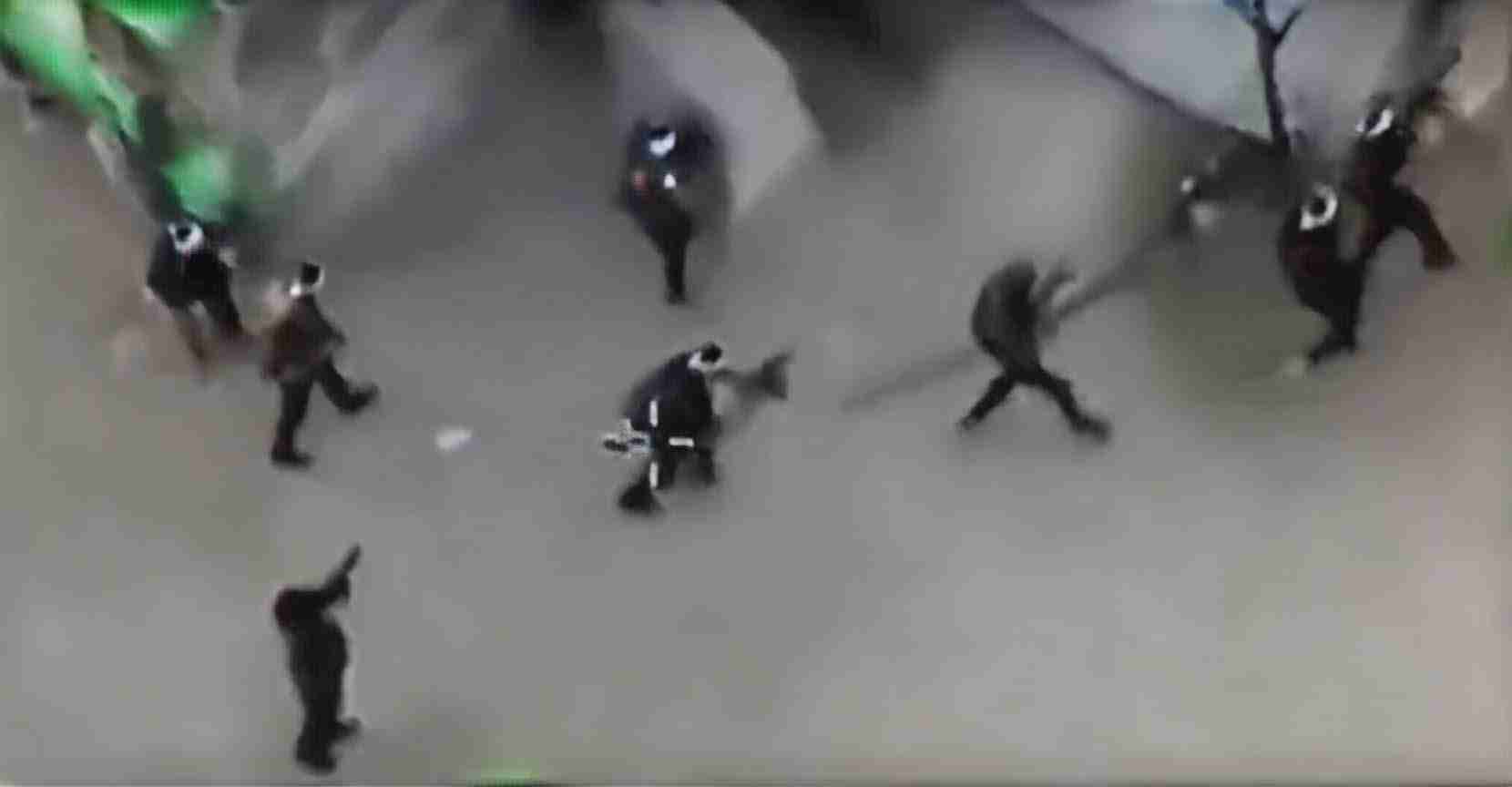
On October 3, 2025, a large-scale Hamas raid in Khan Yunis targeted the al‑Mujaida clan. Open-source compiled reporting describes an operation involving between 50 and 250 gunmen that produced fierce street fighting and graphic scenes circulating online; see the October 2025 Hamas raid in Khan Yunis.
Witnesses and video material show heavy gunfire and bodies in neighborhoods. Reported fatalities from that raid include at least five clan members and up to eleven Hamas operatives, according to aggregated open-source counts (October 2025 Hamas raid in Khan Yunis).
Gaza City outbreak: Dughmush clashes
In Gaza City, clashes involving the Dughmush clan produced multiple deadly confrontations. Medical and witness reports cite dozens of deaths across incidents — including claims of 19 Dughmush members and eight Hamas fighters killed in a single outbreak reported on October 13, 2025; see the ArmRadio report.
Neighborhoods turned into battle zones, civilians trapped, and hospitals stretched thin are recurrent themes in local reporting and monitoring datasets (October 2025 Hamas raid in Khan Yunis).
DRIVERS: POWER VACUUM, CLANS AND MILITIAS
The violence reflects a broader collapse of governance and security after extended Israeli operations. As central control weakened, armed clans and militias expanded their arsenals and local influence — contesting movement, aid flows and authority (October 2025 Hamas raid in Khan Yunis; Jerusalem Post report).
Analysts note clan rivalries predate the recent war but have grown deadlier as state-like enforcement mechanisms vanished. Hamas accuses some clans of collaboration or aid theft, while clans resist handing suspects over to Hamas security — a recurring catalyst for confrontations.
NETANYAHU PRISONER EXCHANGE: A NEW PATH?
Amid the fighting, Israeli Prime Minister Benjamin Netanyahu announced what he called the start of an imminent prisoner exchange — trading Israeli hostages held by Hamas for Palestinian prisoners in Israeli jails. Officials frame the swap as a potential turning point; background on the wider war and negotiations is in the Gaza war overview and the Congress CRS briefing.
Past exchanges under the January–March 2025 ceasefire illustrated fragility: negotiations stall amid renewed hostilities, disputes over prisoner lists and factional mistrust, complicating coordination and verification.
ON-THE-GROUND EVIDENCE AND HUMAN COST
Unverified videos and eyewitness accounts show bodies in streets, fighters moving casualties and the use of heavy small arms and RPGs in dense urban neighborhoods (October 2025 Hamas raid in Khan Yunis). Hospitals report surges of wounded and dead; aid convoys face looting and theft amid the breakdown of order.
“Civilians face gunfire, shelling and cuts to food, water and medicine,” local journalists and media report, describing closed schools, shuttered markets and anxious communities.
ARMED CLANS: HISTORY AND CAPACITY
Clans such as al‑Mujaida and Dughmush have deep social and political roots in Gaza and in recent years have amassed significant weaponry. Hamas accuses al‑Mujaida of assassinations, kidnappings and defiance — including refusing to hand over suspects (October 2025 Hamas raid in Khan Yunis; Jerusalem Post report).
These groups are not monolithic: some members hold ties to other Palestinian factions, while others operate as opportunistic militias profiting from aid diversion and smuggling — complicating any effort to restore unified governance.
IMPLICATIONS FOR CALIFORNIA
Economic impact: California’s large Palestinian and Arab‑American communities send remittances and support relatives in Gaza. Increased violence and disrupted aid channels could drive more humanitarian shipments and private donations from California residents, and affect companies linked to eastern Mediterranean supply chains (October 2025 Hamas raid in Khan Yunis).
Political consequences: The clashes and Netanyahu’s prisoner-exchange announcement will shape debates among California voters and leaders, prompting calls for targeted U.S. diplomacy, hostage resolution efforts and clearer humanitarian corridors (Congress CRS briefing).
Social and cultural effects: Families with relatives in Gaza may seek local support; civic groups may organize dialogues, vigils and aid drives. Universities and charities should screen donations carefully to limit diversion and ensure aid reaches civilians.
REPORTING NOTES AND SOURCES
This account draws on open-source reporting and monitoring compiled by Times Media Service, including local press, eyewitness accounts and aggregated conflict databases. Key sources include October 2025 Hamas raid in Khan Yunis, the ArmRadio report, regional reporting such as the Jerusalem Post report, and background analyses including the Gaza war overview and the Congress CRS briefing.
Note: All figures reflect the cited sources and conditions amid rapidly changing events. Casualty totals and situational details may change as further verification becomes available (October 2025 Hamas raid in Khan Yunis; ArmRadio report).