
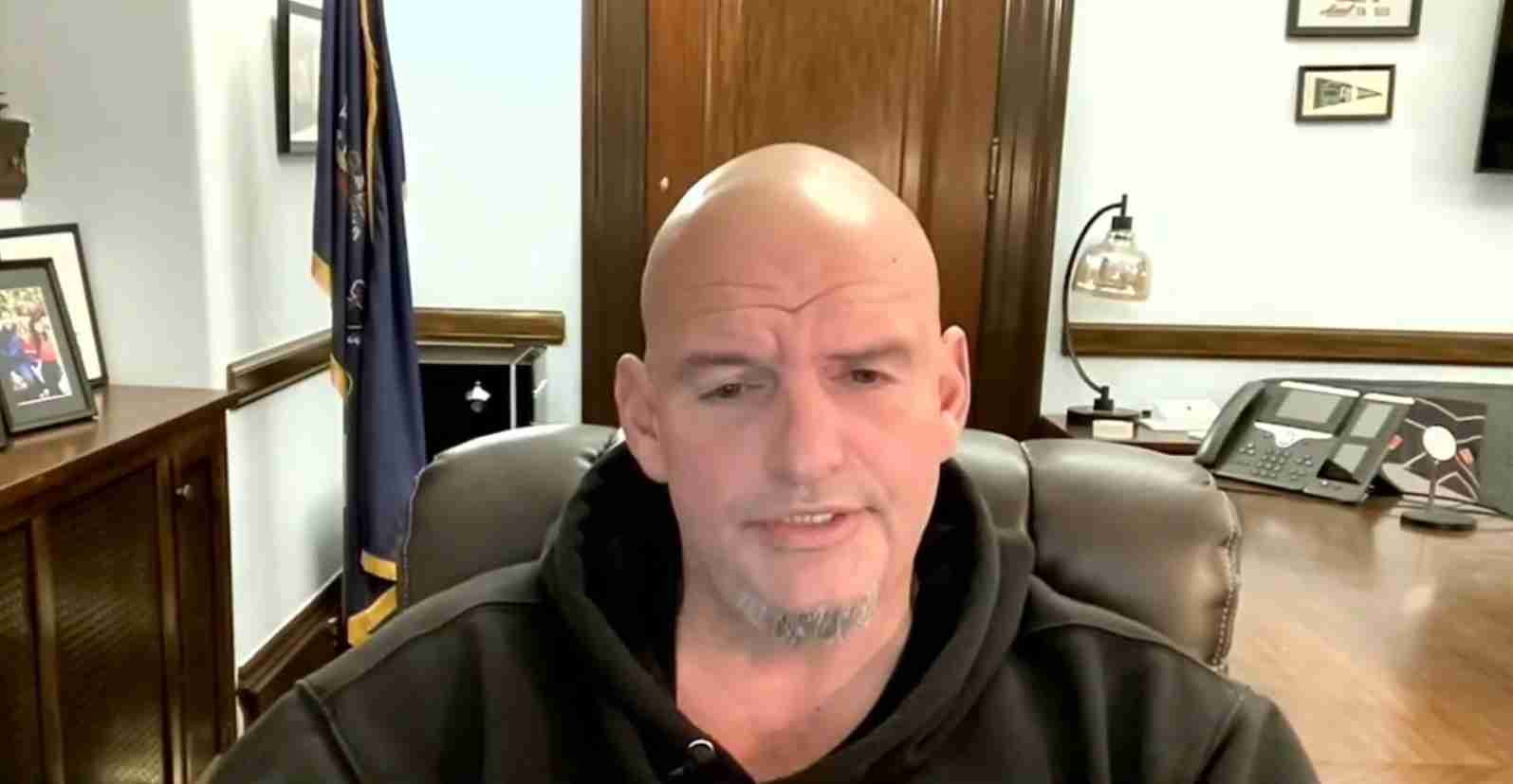
Fetterman breaks with Democrats on shutdown, vows to put country over party to restore funding
Sen. John Fetterman, breaking with Democratic leaders over the government shutdown, urged swift action to reopen government and secure national security funding, saying he’d accept political cost — even supporting bypassing the filibuster — to restore services.
Key takeaways
- Fetterman breaks with party leadership: He urged steps to end the shutdown and keep national security funding flowing, citing AOL and Pittsburgh Post-Gazette.
- Willing to “pay a price”: Fetterman said he would accept political consequences to reopen the government and protect services like the military and the Capitol Police (AOL).
- Open to bypassing the filibuster: He backed ideas that could let Republicans move a spending plan without the 60-vote threshold to restore funding quickly (Pittsburgh Post-Gazette).
Main content
What Fetterman said and why it matters
Sen. Fetterman framed his stance as a choice between party loyalty and governing responsibility. He told reporters he would support measures to end the shutdown even if that meant voting to limit or bypass the Senate filibuster — a parliamentary rule that often requires 60 votes to advance major legislation. That position, he said, is driven by concern for national security funding and the welfare of Americans who rely on federal services (AOL).
“If it means I have to pay a price to get people back to work and to protect our security, I’ll pay that price,” Fetterman said, underscoring the urgency of restoring funding for essential services.
Filibuster friction: A party rift
Fetterman’s comments have sharpened an already tense debate within Democratic ranks. Some Democrats view the filibuster as a safeguard forcing compromise and protecting minority rights. Others, including Fetterman, argue the rule can be used to block urgent action during crises, such as a shutdown that threatens paychecks, benefits and security programs (Pittsburgh Post-Gazette).
By suggesting he could support a path that lets Republicans move their spending plan without the usual 60-vote hurdle, Fetterman signaled willingness to upend Senate norms for the short-term goal of getting the government running again — a move Democratic leaders warn could weaken long-term leverage.
How Fetterman frames the tradeoff
Fetterman emphasizes the practical harm from a shutdown: service members, law enforcement, federal workers and families face immediate disruption. His public messaging leans on national interest rather than partisan advantage, crafted to reassure voters more concerned with restored services than Senate procedure (AOL).
National security funding at stake
Central to Fetterman’s argument is preserving funding for the military, border and Capitol security. He warned funding for these programs should not be bargaining chips in partisan fights. For senators focused on defense, intelligence and law enforcement readiness, a shutdown that delays money for these programs represents an immediate operational problem (AOL).
Reaction from colleagues and the GOP
Responses have been mixed. Republicans have used Fetterman’s openness to bypassing the filibuster as leverage to argue for allowing the majority to govern. Some Democrats warn that easing filibuster protections could leave them vulnerable on future priorities when control shifts. The debate balances short-term problem solving against long-term institutional concerns (Pittsburgh Post-Gazette).
Why this matters to voters
A shutdown affects day-to-day services: pay for federal workers, veterans benefits, airport security, national parks and defense contracts. Voters prioritizing national security may view Fetterman’s stance as principled; others worry about setting procedural precedents. His willingness to accept political fallout is framed to reassure the public that restoring services is the priority (AOL).
Implications for California
California could feel economic, political and social effects if the shutdown persists. Below are specific areas of impact and practical outcomes if funding is restored.
Economic impact
California hosts major military installations, federal contractors and many federal employees. A prolonged shutdown could delay payments to defense contractors in San Diego, the Bay Area and around Los Angeles, slowing work on projects tied to national security and technology. Disruptions to contracts can ripple through local supply chains and harm small businesses that rely on them. Fetterman’s push to secure national security funding aims to limit such economic harm (AOL).
Political consequences
California’s electorate includes moderates and national-security-focused voters who may view Fetterman’s stance favorably. His willingness to cross party lines to reopen the government could affect voter judgments of federal Democrats in statewide and local races if shutdown impacts persist (Pittsburgh Post-Gazette).
Social effects
Services Californians rely on during a shutdown — passport processing, Social Security assistance, national park access and public safety grants — could slow or halt. This affects families who travel, depend on benefits, or work on federally funded projects; immigrant communities and border areas face heightened uncertainty and disrupted access to programs.
Cultural relevance
California’s civic culture values strong public institutions and pragmatic problem solving. Fetterman’s message — putting country over party to keep essential services running — may resonate with voters who prefer practical outcomes. His stated willingness to “pay a price” politically is framed as aligning with accountability and results.
Practical applications for residents
If Fetterman’s push helps end the shutdown, Californians could see faster restoration of federal services: cleared customs and border processing, resumed payments to defense contractors, reopened national parks and resumed federal grant processing for local governments. That would directly benefit workers, businesses and families affected by the stoppage (AOL).
Reporting notes and sources
This story draws on reporting about Sen. John Fetterman’s statements and positions. Key sources include AOL’s coverage outlining Fetterman’s break with Democratic leadership and his warning that he is willing to “pay a price” to reopen government, and the Pittsburgh Post-Gazette’s reporting on his support for steps to allow Republicans to bypass the filibuster to end the stalemate.
Sources preserved: AOL and Pittsburgh Post-Gazette.



