FAA orders flight reductions as Senate advances funding to end shutdown; California travelers brace for more delays and cancellations
The FAA ordered up to 10% flight reductions at the nation’s 40 busiest airports amid staffing shortages during the federal shutdown, triggering thousands of cancellations and delays as travelers seek refunds and clarity on when normal operations will resume.
- FAA limits: Incremental cuts of 4%, 6%, 8%, and 10% mandated across the 40 busiest U.S. airports.
- Passenger rights: Passengers whose flights are canceled are entitled to a full refund, though airlines aren’t required to cover hotels or meals.
- Widespread impact: Thousands of cancellations and spikes in delays; daily cancellation rates have at times exceeded FAA targets.
- Uncertain timeline: The Senate advanced funding to end the shutdown, but the FAA has not set a date to lift the reductions.
Key information
The FAA has ordered domestic airlines to cut scheduled operations at the 40 busiest U.S. airports by up to 10% in an incremental schedule: 4% by Nov. 7, 6% by Nov. 11, 8% by Nov. 13 and 10% by Nov. 14. See the FAA emergency order and the FAA newsroom for full details.
FAA emergency flight reduction order
The FAA said it issued the emergency order to preserve safety as air traffic controllers work without pay during the shutdown and staffing triggers are met at several facilities. The agency laid out incremental percentage reductions so airlines could plan schedules and avoid sudden mass cancellations, while retaining discretion to shift cuts among airports and flights as needed. The order affects domestic schedules at the nation’s 40 busiest airports; international flights are not required to be reduced, though airlines may choose which flights to cut to meet the quota. See the FAA emergency order and FAA newsroom.
The FAA also temporarily restricted certain procedures and activities around affected facilities, including some visual flight rule approaches and parachute operations. Commercial space launches and reentries were limited to overnight windows to reduce airspace conflicts.
Scope and scale of disruptions
Airlines have complied and adjusted schedules. Major carriers reported reducing operations by about 6% at key airports for Nov. 11–12 and planned to ramp up to 10% by Nov. 14 to meet the FAA’s mandate. Airlines must notify the FAA daily about which flights they plan to cut; the FAA can require adjustments to prevent disproportionate impacts at particular airports. (See the American Airlines update and the FAA order.)
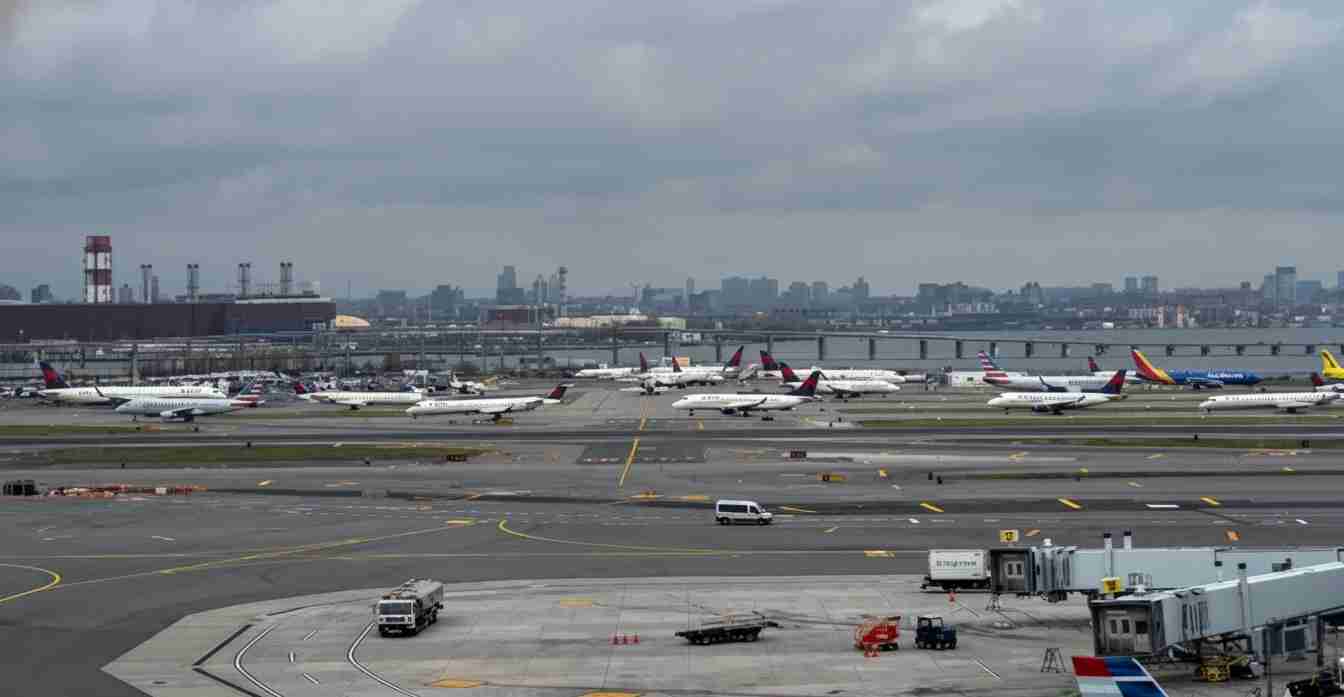
Since the reductions began, live reports show more than 7,900 cancellations over a recent multi-day period, and delay reports spiked at busy hubs. Airlines and airports have scrambled to rebook passengers and reroute crews while maintaining safety margins. See live reporting from LiveNowFox and CBS News live updates.
Refunds and traveler rights
Under FAA guidance, passengers whose flights are canceled are entitled to a full refund for the unused transportation. That applies even if a ticket was normally nonrefundable. The FAA’s guidance does not require airlines to pay for hotels, meals or other incidentals that passengers may face when schedules are disrupted. Travelers are advised to keep receipts and check whether their credit card or travel insurance covers additional costs. See the FAA newsroom for guidance.
Unclear timeline despite Senate action
Senators advanced a bipartisan spending measure to end the federal shutdown, raising hopes the staffing and pay issues that triggered the FAA order will be resolved soon. However, FAA officials and industry leaders said the flight reductions will remain until safety and staffing metrics return to acceptable levels, and the agency has not provided a specific timeline for lifting the order. That means disruptions could continue even after a funding deal is finalized. See coverage from Politico.
Political debate and agency defense
Transportation Secretary Sean P. Duffy has defended the FAA’s approach, saying reductions are intended to “alleviate building risk in the system as controllers continue to work without pay,” and that officials are focused on safety and transparency.
“These steps were necessary to protect travelers as system risks grew,” Transportation Secretary Sean P. Duffy said, defending the incremental approach.
The FAA and the Department of Transportation frame the action as a safety-first response to staffing shortfalls rather than a political move; public disputes with former officials have been noted in press accounts.
Airlines’ operational response
Air carriers have reworked schedules, adjusted crew plans and rerouted aircraft where possible to meet the FAA’s requirements while minimizing passenger harm. Airlines are urging customers to check flight status frequently, enroll in alerts, and contact customer service about refunds or rebooking. See the American Airlines update.
Implications for California
Economic impact: California’s economy depends heavily on air travel — from tourism and business flights to cargo and trade. Reductions at hubs such as LAX, SFO and SAN can slow commerce, hurt hotels and restaurants, and increase costs for freight that relies on timely flights.
Political consequences: California politicians of both parties face pressure to protect travelers and local economies. Lawmakers who represent major airport districts will be pressed to push for a rapid funding solution and restoration of FAA operations.
Social effects: Families planning holidays, students traveling to and from college, and workers commuting on business will see canceled trips and unexpected expenses. Vulnerable travelers — seniors, people with disabilities and those traveling for medical reasons — may face heightened stress when flights are delayed or canceled.
Cultural relevance: Prolonged disruptions can harm the state’s reputation as a reliable destination for tourism and conventions, especially in peak months for visitors.
Practical applications for California travelers
- Check flights often. Sign up for airline alerts and monitor airport websites for the latest info. See the American Airlines update and the FAA order.
- Know your rights. If your flight is canceled, you are entitled to a full refund for the unused ticket. Airlines are not required to pay for hotels or meals; keep receipts and check credit-card or travel-insurance coverage.
- Consider alternatives. Look at flights from nearby airports, off-peak times, or ground options for short trips. Arrive early and have backup plans in case flights are delayed.
- Prepare documentation. Keep boarding passes, receipts and correspondence with airlines to help with refund claims or insurance filings.
Sources and continuing coverage
This article draws on FAA notices and briefings, airline statements and live reporting on cancellations and delays. Key sources include the FAA emergency order and FAA newsroom materials, airline advisories such as the American Airlines update, live reporting of cancellations and delays from LiveNowFox and CBS News live updates, and coverage of the Senate funding measure from Politico.
What travelers should take away: Expect ongoing headaches at busy airports until staffing and safety metrics recover and the FAA lifts its order. Stay informed, know your rights, and plan for delays and cancellations as holiday travel approaches.