Dodgers World Series Game 3: Freddie Freeman’s walk-off ends 18-inning classic as Shohei Ohtani reaches base nine times
In a record-setting marathon at Dodger Stadium, the Los Angeles Dodgers beat the Toronto Blue Jays 6-5 in 18 innings on Freddie Freeman’s walk-off homer, while Shohei Ohtani reached base nine times — a new World Series record.
- Final score: Dodgers 6, Blue Jays 5, bottom 18th (MLB).
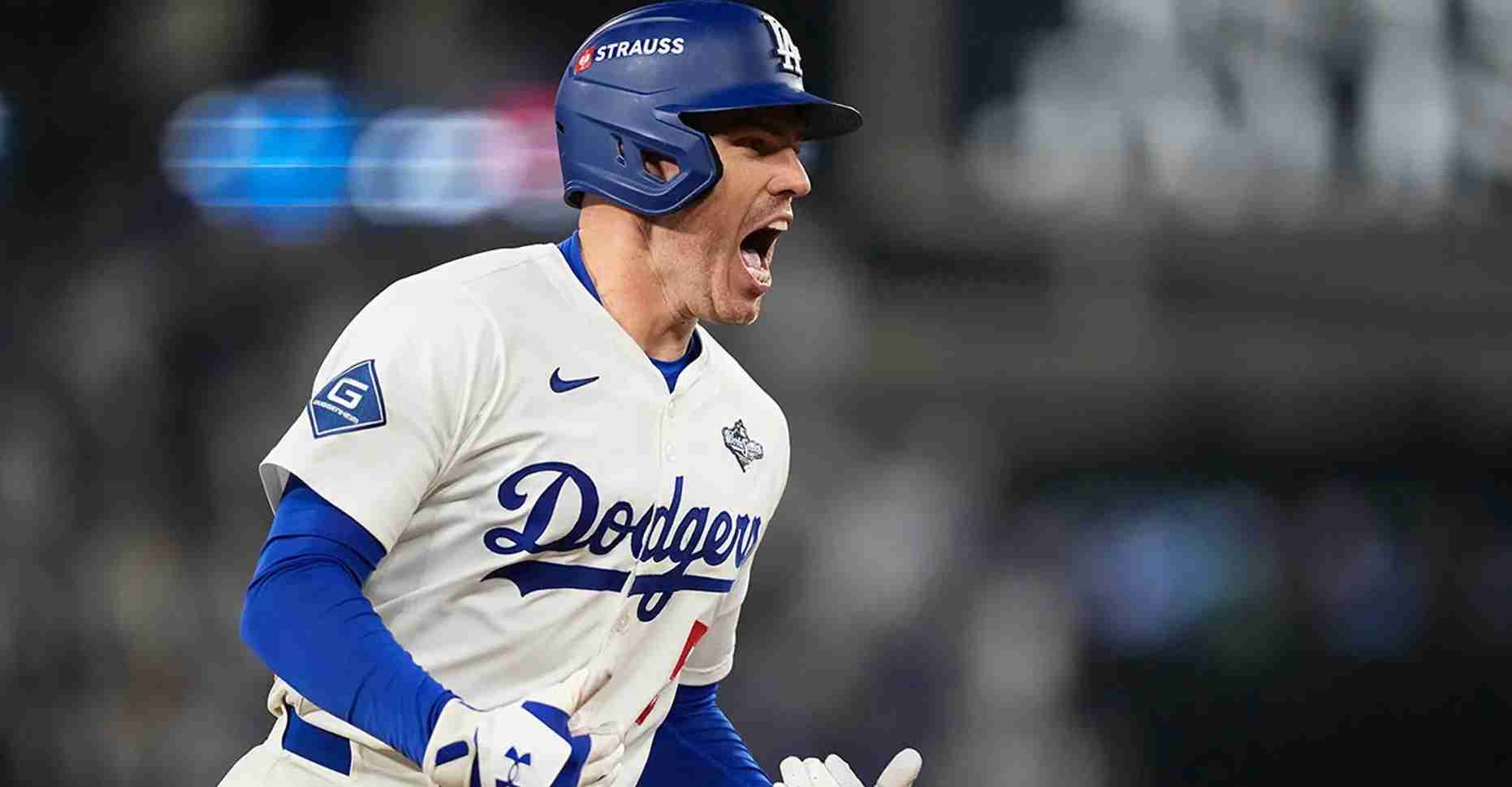
- Walk-off: Freddie Freeman crushed a 405-foot, 107.4 mph home run to center (video/stats).
- Historic night: Shohei Ohtani reached base nine times, including five intentional walks in extra innings (Arab News).
- Game length & series: 18 innings, 6 hours 49 minutes — Dodgers lead the series 2–1 (LA Times / MLB).
Game recap: an 18-inning chess match
What began as a tight, strategy-driven contest turned into a test of depth, stamina and patience. The Blue Jays and Dodgers traded momentum through nine innings and then into extra innings where both managers faced repeated choices about matchups, bullpen usage and intentional walks.
Toronto took the lead in the seventh, but Shohei Ohtani’s solo home run in the bottom of the same frame tied the game immediately, swinging momentum back to Los Angeles (Arab News). From the ninth inning onward, both teams ran low on fresh arms. Managers turned to matchup pitching, and both benches emptied as the game stretched past midnight.
“It was a war of attrition — pitching depth, pinch-hitting, and situational moves decided the night.”
The decisive moment came in the bottom of the 18th. With runners on and the crowd on its feet at Dodger Stadium, Freeman produced a high-leverage swing off Toronto reliever Yennier Cano’s sinker—recorded at 92.4 mph—sending a 405-foot fly ball to center for a walk-off solo home run (MLB video). The hit ended a contest that tested both teams’ pitching depth and bench resilience (TrueBlueLA).
Freddie Freeman walk-off: veteran execution in the darkest hour
Freddie Freeman’s walk-off was a study in veteran preparation and situational hitting. Freeman crushed a 107.4 mph exit-velocity drive with a 34-degree launch angle that traveled 405 feet to center (MLB video).
The homer came after a marathon in which he and teammates endured multiple tense innings with runs threatened from either side. Freeman’s postseason resume now includes yet another clutch moment, echoing past walk-off heroics and reinforcing his role as a late-inning leader (LA Times).
Shohei Ohtani nine times on base: statistical dominance and strategic reaction
Shohei Ohtani’s performance matched the game’s historic feel. He reached base nine times—a new World Series record—collecting six hits, including two homers and two doubles, and drawing five intentional walks in extra innings (Arab News).
Ohtani’s sequence included a ground-rule double, a third-inning solo home run, an RBI double in the fifth and the seventh-inning solo shot that tied the game. Managers repeatedly chose to intentionally walk Ohtani in extra innings (9th, 11th, 13th, 15th and 17th), a tactic that shows both respect and tactical caution.
Statistically, he tied a 119-year-old record with four extra-base hits in a World Series game and matched an impressive Dodgers postseason home run pace, entering Game 4 with a two-way role that adds strategic pressure (Arab News).
Bullpen and bench management: how managers played the long game
The marathon forced both managers into difficult choices. Starters were gone early, setup men and long relievers were used across many innings, and bench players were asked to pinch-hit and play extended defense. The depletion of available pitchers will shape Game 4 planning.
The Dodgers benefited from key defensive plays, situational hitting, and timely baserunning. With Ohtani slated to pitch in Game 4, Los Angeles faces the dual challenge of leveraging his two-way value while conserving bullpen depth (MLB; Arab News).
Historical context and media reaction
Local and national coverage quickly labeled the contest an instant classic and a candidate for one of the most dramatic World Series games in modern memory. The 18-inning length makes it the longest World Series game by innings; the near-seven-hour duration also ranks among the longest by time (LA Times; MLB).
Analysts compared Ohtani’s night to all-time postseason performances, noting both the power and the tactical ripple effects of his repeated intentional walks. Freeman’s walk-off added to his postseason legacy and shifted the series momentum to Los Angeles.
Key stats and records (selected)
- Freddie Freeman: walk-off home run, 405 ft, 107.4 mph exit velocity; game-winning RBI (MLB video).
- Shohei Ohtani: reached base nine times (new World Series record), 6 hits, 2 HR, 2 doubles, 4 extra-base hits, 5 intentional walks (Arab News).
- Game length: 6 hours, 49 minutes; 18 innings (MLB; LA Times).
Implications for California
Economic and business impact
A long, nationally televised World Series classic brings immediate economic benefits to Los Angeles. Local businesses near Dodger Stadium reported higher late-night foot traffic, elevated television ratings typically boosted ad revenue, and short-term demand for hospitality and merchandise rose after the game (MLB).
Political and civic profile
For California leaders, the victory underscores Los Angeles’ role as a major sports market. High-profile games give civic boosters opportunities to highlight local pride and community resilience — themes that resonate across broad audiences.
Community and social effects
The marathon stretched local emergency and transit services into extended operations. Civic managers noted successful crowd management amid extended celebrations. Youth baseball programs and Little Leagues also gain visibility from standout performances, likely driving interest and sponsorship.
Sporting and roster consequences
The win gives Dodgers fans momentum and raises questions about bullpen availability and rest. With Ohtani slated to pitch in Game 4, the Dodgers face unique roster-management decisions that will shape the series’ next chapter (Arab News).
Cultural relevance & practical effects
The game reinforced baseball’s place in Southern California culture. Freeman’s clutch swing and Ohtani’s historic night became shared moments across the region. The late finish created unusual late-night travel and longer service windows for transit agencies and businesses—an immediate practical effect for residents.
Sources and coverage
- MLB game recap and video
- Freddie Freeman home run video and stats
- TrueBlueLA coverage and game analysis
- LA Times game story and local reaction
- Arab News reporting on Ohtani’s record and Game 4 pitching start
- Highlight video
- Additional highlight
Reporting by Times Media Service