Castle Peak avalanche: Eight dead, one missing after Sierra Nevada slide strikes backcountry ski group
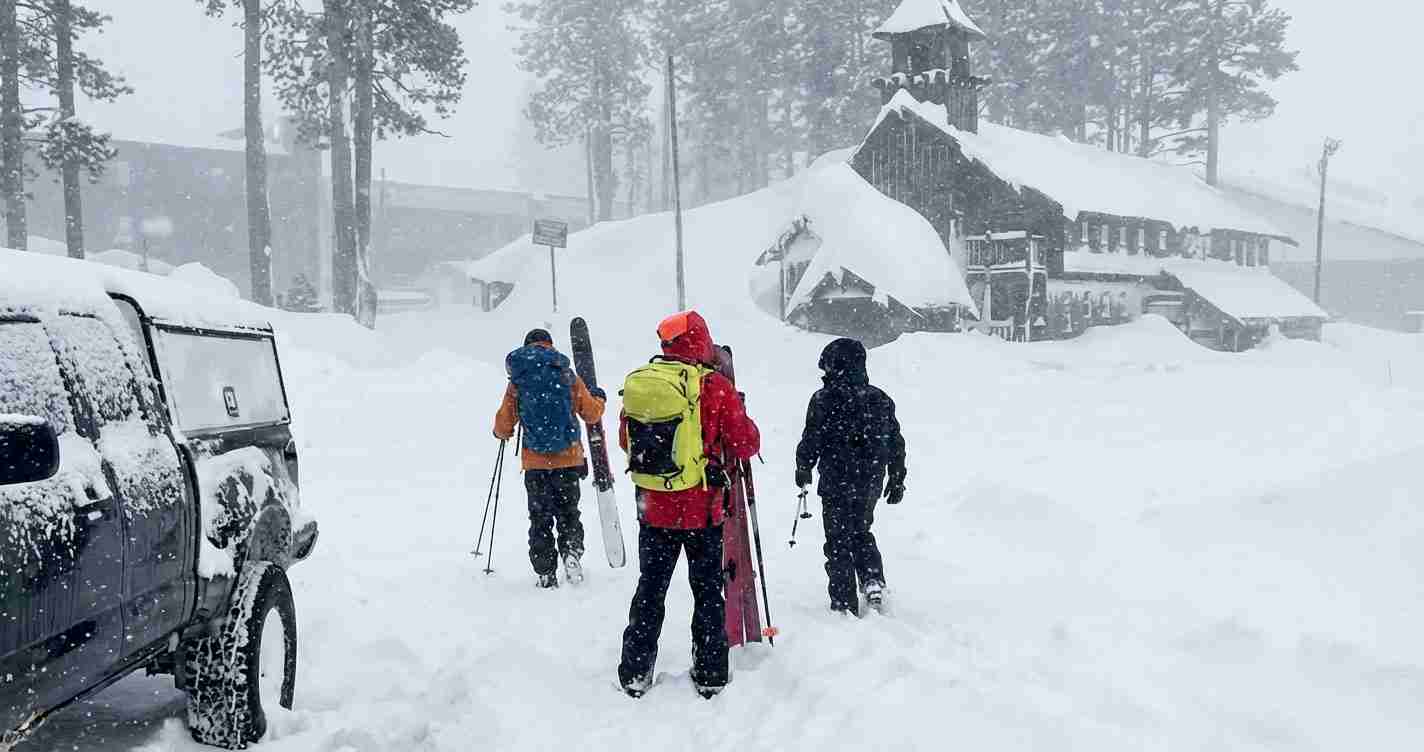
Eight backcountry skiers were killed and one remains missing after a massive avalanche struck a 15-person group near Castle Peak in California’s Sierra Nevada on Feb. 17, 2026, while descending toward safety during a major winter storm.
Key takeaways
- Casualties: Eight bodies recovered; one person unaccounted for and presumed dead; the party totaled 15 people (11 clients, 4 guides with Blackbird Mountain Guides). Source: Los Angeles Times.
- Survivors: Six people (four men, two women) rescued roughly six hours after the slide amid blizzard conditions; multiple volunteer and agency teams responded (Los Angeles Times, Fox News).
- Warnings and closures: The Sierra Avalanche Center issued a watch then upgraded to a warning hours before the slide; U.S. Forest Service lands near Castle Peak closed through March 15 for safety (Los Angeles Times, Fox News).
- Historic scale: The slide is the deadliest U.S. avalanche in nearly 50 years and ranks among the nation’s worst in modern history (CBS Sacramento).
What happened
Investigators say the group was descending toward a safer location around 11:30 a.m. when a massive slide — described as roughly the size of a football field — roared down and overtook them. A member of the party yelled, “Avalanche!” and the slide moved so fast that those caught had little time to react, Capt. Russell “Rusty” Greene of the Nevada County Sheriff’s Office said in initial interviews (Los Angeles Times).
Trip background and conditions
The group had been on a three-day trip to the Frog Lake huts and was described by family and community members as experienced, trained, and carrying avalanche safety gear. Despite that experience, heavy snowfall, wind loading and unstable layers created conditions that can overwhelm even skilled backcountry travelers (Los Angeles Times).
Search, rescue and recovery
Rescuers battled heavy snowfall, deep drifts and limited visibility. Six survivors were located about six hours after the avalanche struck. Search teams continued in dangerous weather until they recovered eight bodies; the ninth person is unaccounted for and presumed dead, prompting authorities to transition from search-and-rescue to recovery operations (Los Angeles Times, Fox News).
“Rescuers faced blizzard conditions and deep drifts that made locating and extracting victims extremely difficult,” said a rescue official.
Agencies and actions
Responding organizations included Nevada County Search and Rescue, Tahoe Nordic Search and Rescue, local sheriff’s deputies and U.S. Forest Service personnel. The U.S. Forest Service restricted snow machines, aircraft, explosives and other activities in the area through March 15 to protect crews and preserve the scene (Fox News).
Guides, clients and community connections
The trip was led by Blackbird Mountain Guides and included four guides and 11 clients. Company officials say guides receive training and perform condition checks before outings; they have asked the public to avoid speculation while investigators examine the incident. Three of the four guides are presumed dead; one guide survived (Los Angeles Times).
Six of the victims identified so far — Carrie Atkin, Liz Clabaugh, Danielle Keatley, Kate Morse, Caroline Sekar, and Kate Vitt — had ties to communities in the Bay Area, Truckee and Idaho and to Sugar Bowl Academy. Families described them as mothers, friends and accomplished backcountry travelers; they praised rescuers and requested privacy as they grieve (Los Angeles Times, Fox News).
Weather, warnings and decision-making
On Sunday at 6:49 a.m. the Sierra Avalanche Center issued an avalanche watch for the area and later upgraded the bulletin to a warning — indicating avalanches were expected. Sheriff Shannan Moon said investigators will examine whether the guides received the upgraded warning before beginning the descent and how pre-trip condition checks influenced the decision to proceed (Los Angeles Times).
Safety context for backcountry travel
Avalanche danger increases when heavy snowfall, wind loading and weak snowpack layers combine. Even with transceivers, probes and shovels, and companion-rescue training, large fast slides can be unsurvivable. Officials emphasize conservative decision-making and turning back when official warnings are posted. Avalanche education and companion-rescue courses are available across the Lake Tahoe region (Los Angeles Times, Fox News).
Historical perspective
This event is the deadliest U.S. avalanche in nearly half a century and will be compared to earlier catastrophic slides as investigators and historians review causes and outcomes (CBS Sacramento).
Investigative questions authorities are pursuing
- Did guides receive the Sierra Avalanche Center warning before the descent? (Los Angeles Times)
- How were route choices, timing and risk trade-offs assessed at the hut and during the descent? (Sheriff Shannan Moon, Los Angeles Times)
- What role did weather-driven instability and terrain features play in creating a large, fast-moving slide? (Sierra Avalanche Center referenced in Los Angeles Times)
- How might industry training and practices change to further reduce risk during high-danger periods? (Blackbird Mountain Guides statement, Los Angeles Times)
Implications for California
Economic: Closures and recovery operations may temporarily affect winter tourism and small businesses serving backcountry users; guide services could face increased scrutiny and insurance impacts (Fox News).
Political: County and state officials may review permitting, guide oversight and how avalanche forecasts are communicated. Sheriff Moon pledged an inquiry that could lead to recommendations on pre-trip requirements and clearer obligations to cancel trips during warnings (Los Angeles Times).
Social and cultural: The loss reverberates through communities around Donner Summit, Truckee and the Bay Area. Schools such as Sugar Bowl Academy reported deep grief and a need for counseling and community support (Los Angeles Times, Fox News).
Practical applications for residents and guides
- Check the Sierra Avalanche Center and local forecasts before entering the backcountry and heed watches and warnings.
- Carry and practice with avalanche transceivers, probes and shovels; take companion-rescue courses available in the Lake Tahoe region.
- Guide services should document pre-trip briefings, condition checks and adopt clear cancellation protocols tied to official warnings.
Sources
Reporting and context compiled from: Los Angeles Times — “Sierra avalanche disaster”; Fox News — coverage of victims and community response; and CBS Sacramento — deadliest avalanches in U.S. history.
Investigations are ongoing. Authorities have urged patience as they work to answer why this backcountry tragedy unfolded during a storm that forecasters warned could produce large avalanches.