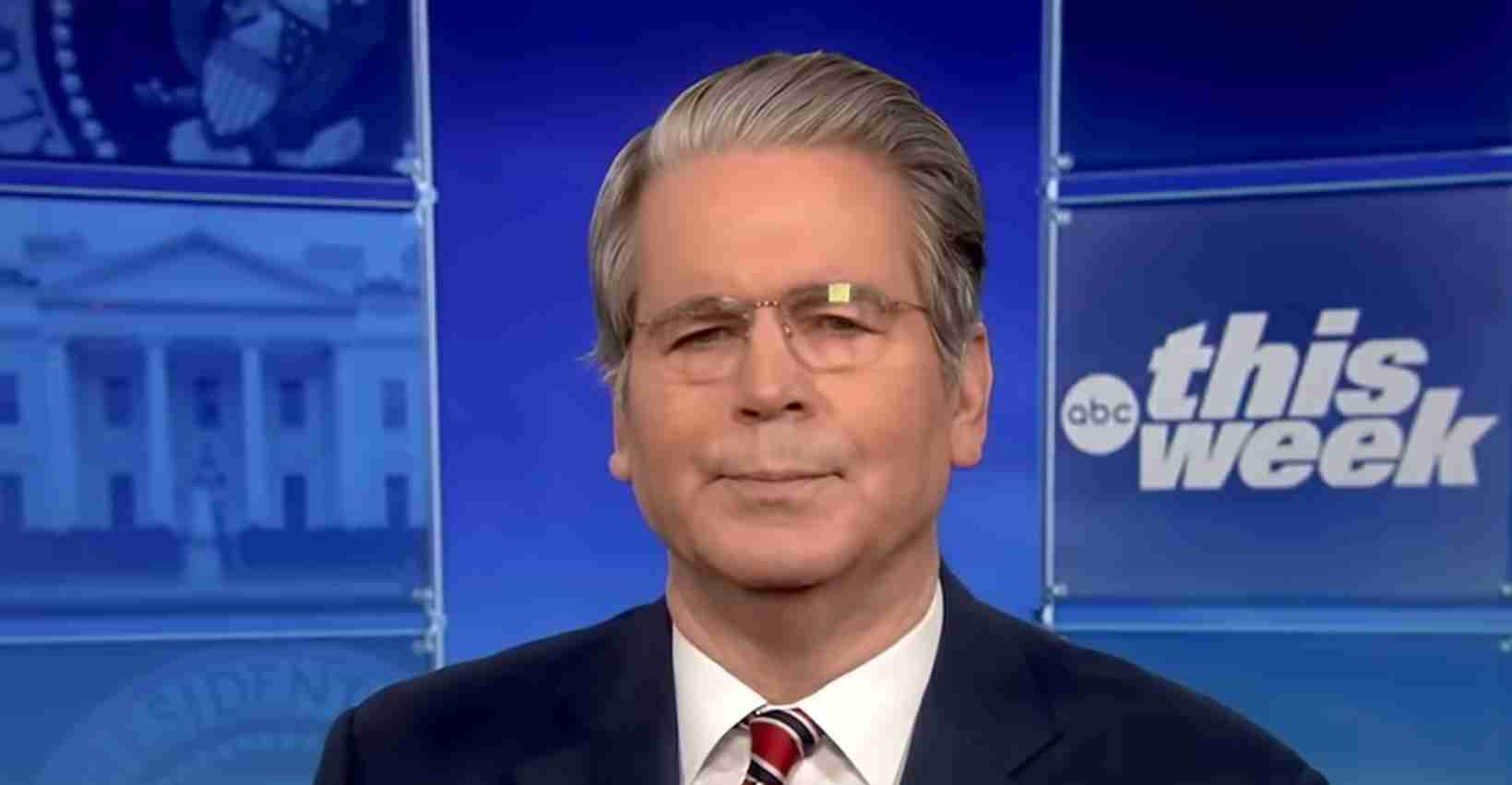
Bessent confronts Stephanopoulos over 1995 rhetoric in heated ‘This Week’ exchange amid current shutdown fight
Treasury Secretary Scott Bessent squared off with ABC anchor George Stephanopoulos on “This Week,” pressing him over 1995–96 rhetoric that labeled Republicans “terrorists” and arguing that five moderate Democrats could end the current government shutdown.
- On-air clash: Bessent challenged Stephanopoulos for past comments about the Clinton-era shutdowns, citing on-record quotes during the exchange. (Fox News article, The Daily Beast coverage)
- Quotes at issue: Bessent referenced a 2000 PBS Frontline-era remark attributed to Stephanopoulos — that Republicans were “basically terrorists” — to highlight past Democratic strategy. (NewsBusters report)
- Political point: Bessent argued the shutdown is a choice that five moderate Democrats could undo given the current Senate math of 52–3. (Fox News article)
The interview exchange
On the program, Stephanopoulos asked Bessent about paths to end the current shutdown and whether abolishing the Senate filibuster was appropriate. Instead of answering directly, Bessent pivoted to Stephanopoulos’s 1990s role and on-record remarks.
“The best way to do it — and look, you were involved in a lot of these in the ’90s,” Bessent said. “And, you know, you basically called the Republicans terrorists and, you know, you said that it is not the responsible party that keeps the government closed. And so, what we need is five brave, moderate Democratic senators to cross the aisle, because right now it is 52–3, 52–3.”
Stephanopoulos attempted to steer the discussion back to current policy: “I can disagree with you about the history there, but we don’t have a history lesson right now.” The exchange escalated into loud, overlapping remarks as both men argued history and policy. (Fox News, The Daily Beast)
What Bessent emphasized on air
Bessent repeatedly returned to on-record quotes he attributed to Stephanopoulos from a 2000-era discussion of the 1995–96 shutdowns, using them to argue that Democrats are repeating past tactics. He also framed a solution: five moderates crossing would produce the votes needed to reopen government.
Historical context and the quotes at issue
Bessent’s line of attack centers on a 2000 PBS Frontline-era description of the Clinton-era shutdowns in which Stephanopoulos — a top Clinton adviser in 1995 — is reported to have characterized the GOP strategy as tantamount to “blackmail” and said, “we were trying to say that they were basically terrorists, and it worked.” Reporting and clips of that era have been cited by outlets reviewing the exchange. (Fox News, NewsBusters)
Stephanopoulos transitioned from White House adviser to journalist and author, and critics argue that his past political role complicates his current role as a news anchor. Supporters of Bessent say calling out those past roles is fair; critics call it a distraction from policy detail. (The Daily Beast)
The broader government shutdown argument
Bessent used the historical exchange to press a practical, immediate point: the shutdown is a political choice. He framed the solution in numeric terms — the Senate currently favors Republicans 52–3 on the question he raised — and he urged five moderate Democrats to cross the aisle to pass a funding measure and restore services. (Fox News)
Critics urged that invoking historical quotes during a live interview distracts from legislative mechanics and consequences; supporters argued it is valid to call out a journalist’s previous role in shaping political strategy when similar tactics appear in the present.
Implications for California
The national fight has local consequences. Below are targeted implications for Californians if the shutdown persists.
Economic impact
A prolonged shutdown could delay federal disaster relief, housing grants, and other funding streams that California state and local governments rely on. Federal workers, contractors and agency staff in California may face furloughs or missed paychecks, reducing local consumer spending and straining small businesses. (Fox News)
Political consequences
California’s large Democratic delegation and sizable moderate electorate mean Bessent’s appeal to five moderates resonates locally. Lawmakers could face constituent pressure to restore services, potentially boosting advocacy for a bipartisan federal fix. Voters may reward perceived pragmatism. (Fox News)
Social effects
Service slowdowns affect health care, veterans’ programs and student aid. Delays disproportionately harm low- and middle-income families in high-cost areas, exacerbating hardship. The revived rhetoric — including labels like “terrorists” — risks deepening partisan animus in communities already under stress. (The Daily Beast)
Cultural relevance
Californians often favor pragmatic problem-solving; an on-air clash over 1990s rhetoric may influence perceptions of whether national leaders prefer hard-line tactics or compromise, shaping voter preferences for stability and clear outcomes. (NewsBusters)
Practical applications for residents
Residents should monitor federal agency notices for delays; federal contractors and industries tied to federal spending should prepare for short-term disruptions. Voters can contact members of Congress to urge action and compromise to reopen the government quickly. (Fox News)
How the networks and others reported it
Coverage split along editorial lines: conservative outlets emphasized Bessent’s challenge and the “terrorists” phrasing, while other outlets highlighted the breakdown in civility and the on-air shouting. Many reports noted Bessent frequently spoke over Stephanopoulos as the latter attempted to refocus on policy. (Fox News, The Daily Beast, NewsBusters)
Why this matters now
Beyond a television moment, the clash reflects how historic strategy and rhetoric are invoked in present policy debates — influencing public trust and the political room for compromise. Bessent’s central appeal is practical: that a small group of senators could end the shutdown, shifting the decision from rhetoric to votes.